A Special Anniversary Project: Memories of 25 Years of FZS Ukraine
From the first partnership with a regional landscape park that existed only on paper to the systematic support of 20 protected areas, the Frankfurt Zoological Society celebrates 25 years of work in Ukraine in 2026. We are launching a series of 25 stories that reveal the behind-the-scenes of our work through archival photographs and the memories of the people who implemented the first projects together with FZS.
“We wanted to immerse ourselves in memories, recall all the projects we worked on, talk to the people who stood side by side with us, organize everything for ourselves, and assess the impact of our 25 years of work on the conservation of Ukraine’s wildlife,” says Uliana Skytska, Digital Communications Coordinator.
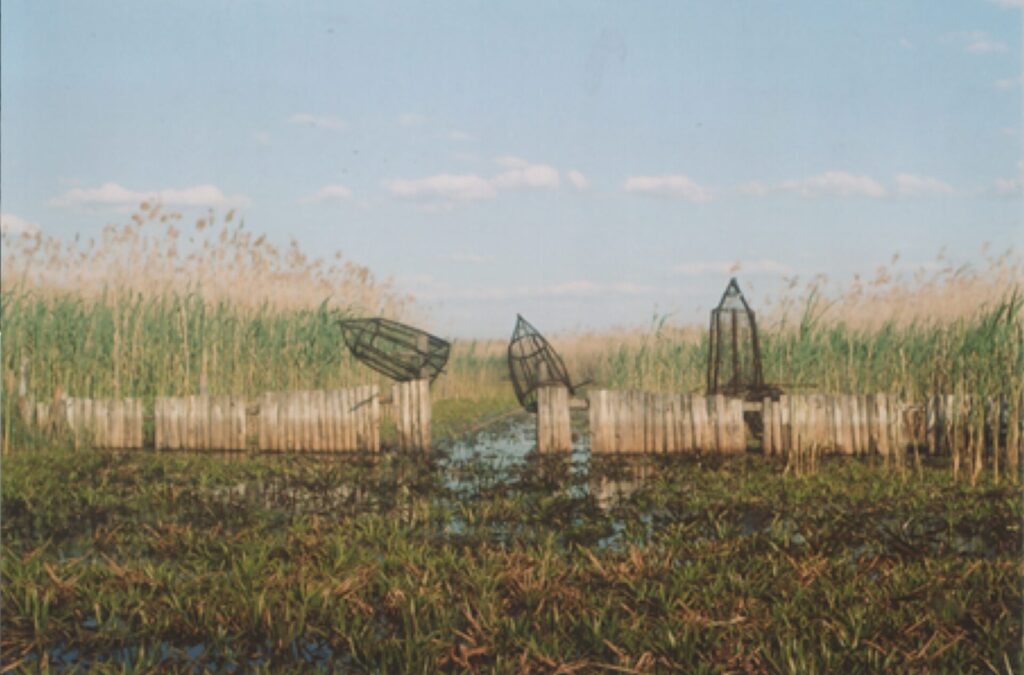
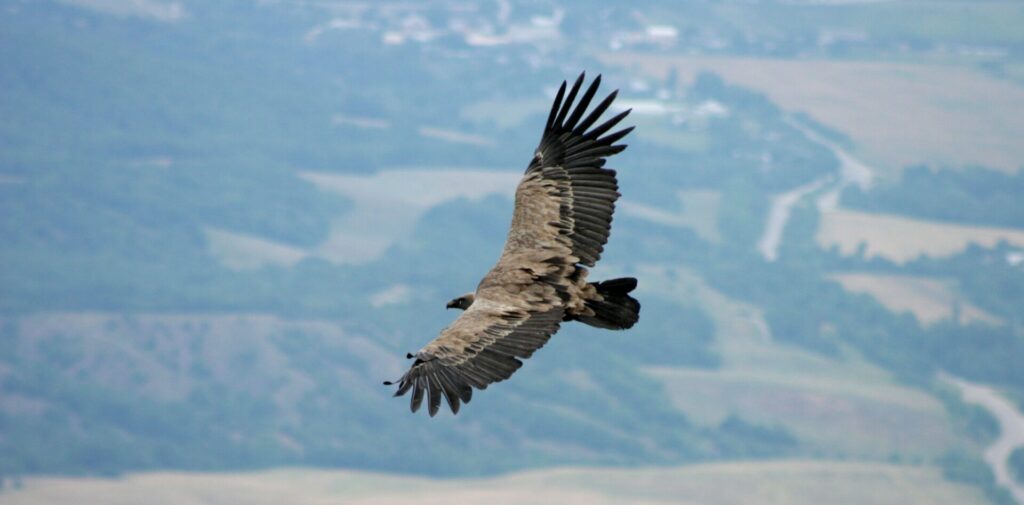
This special project is about people, because behind the protected populations of European bison and vultures, the rivers freed from illegal poaching dams, and the additional nesting sites for Common Goldeneyes are the people who made it all possible. We reached out to the experts who helped FZS begin its journey in Ukraine in the early 2000s. Together, we revisited their memories, digitized dozens of film photographs, and reconstructed some of the most remarkable conservation projects of that time.
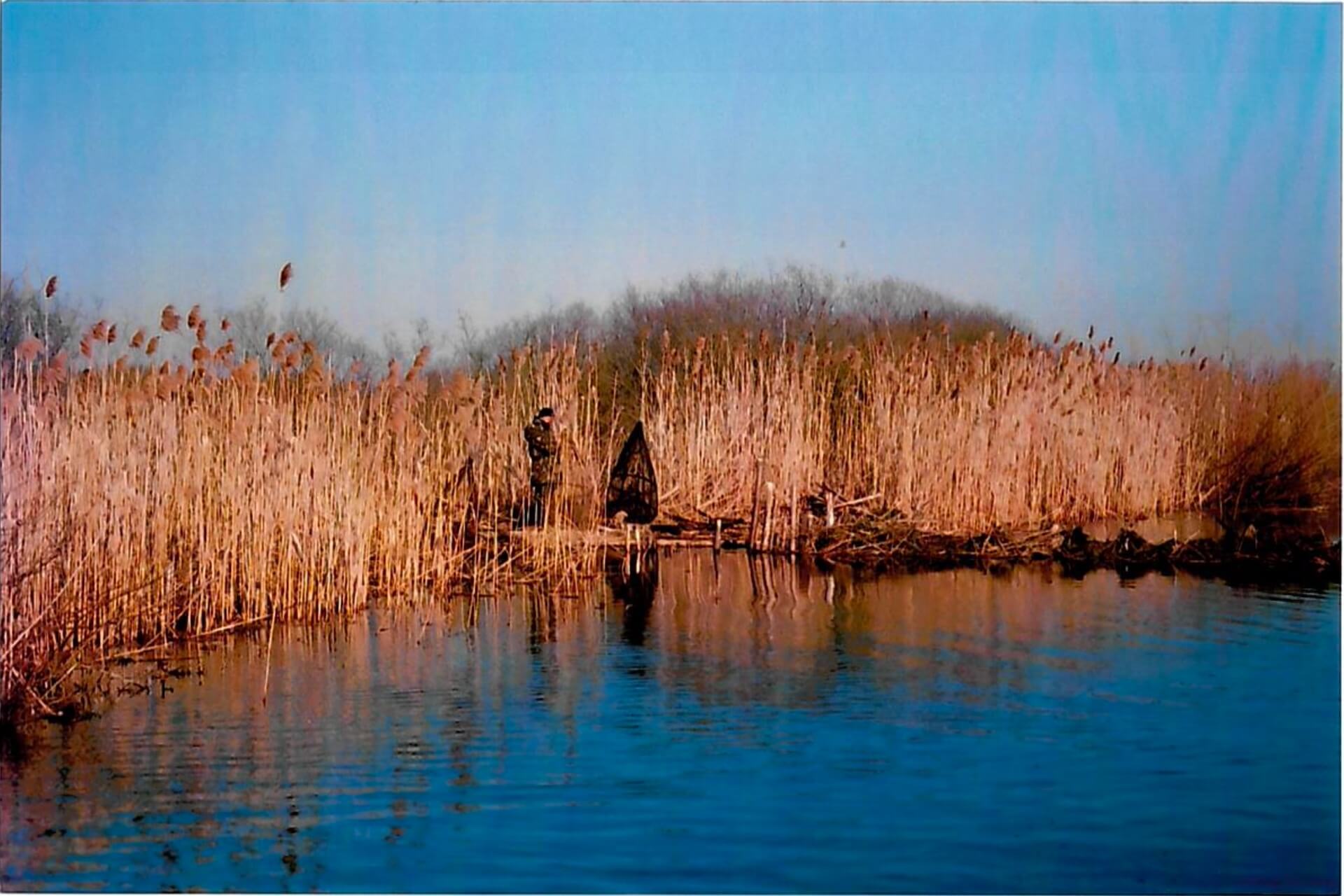
“The reason we started working in Ukraine 25 years ago was the unique value of the country’s natural heritage. Polissia is one of the last and largest near-natural floodplain regions in Europe—a landscape of vast wetlands and habitats for rare species found nowhere else. In terms of scale, it covers an area roughly half the size of Germany. Yet 25 years ago, Polissia remained largely unknown even within the international conservation community. Some specialists, particularly ornithologists, were already aware of its importance because it is home to the world’s largest population of the Aquatic Warbler. Our organization helped make Polissia more visible,” recalls Michael Brombacher, Head of the Europe Department at the Frankfurt Zoological Society.
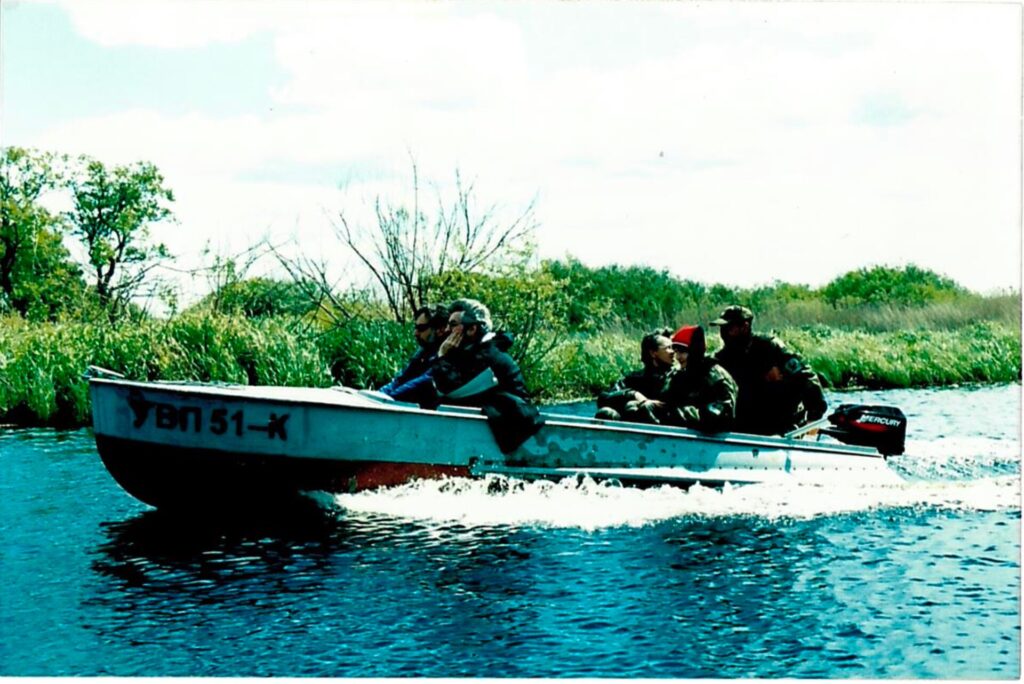
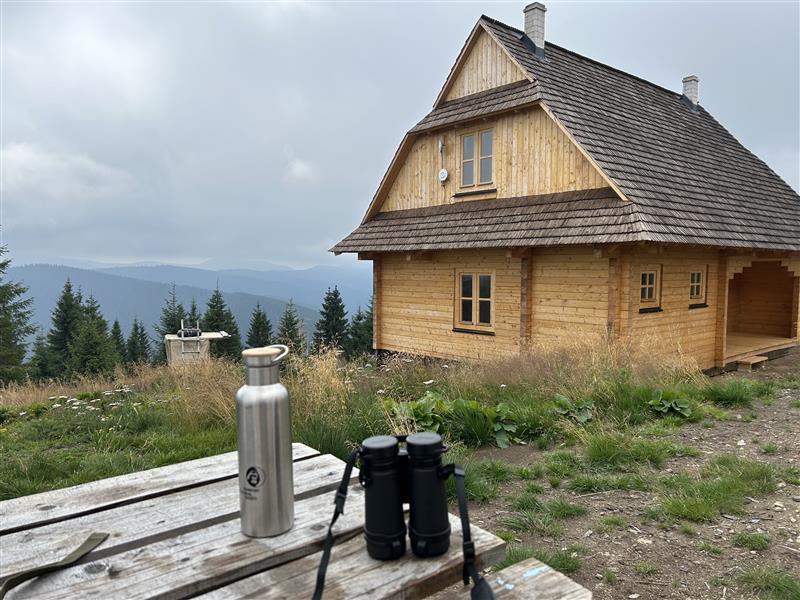
In 2001, when FZS had just begun its work in Ukraine, the first point on the map was the Prypiat–Stokhid Regional Landscape Park in Polissia. At that time, it had no dedicated team or staff and existed largely only on paper. Thanks to a highly motivated local team and our support, a professional staff was established. An office building in the town of Liubeshiv was renovated, an expedition vehicle and motorboats were purchased, and the team was provided with fuel and communication equipment. Everything was put in place to ensure effective and comfortable work, which later led to the achievements featured in the first stories of this project.
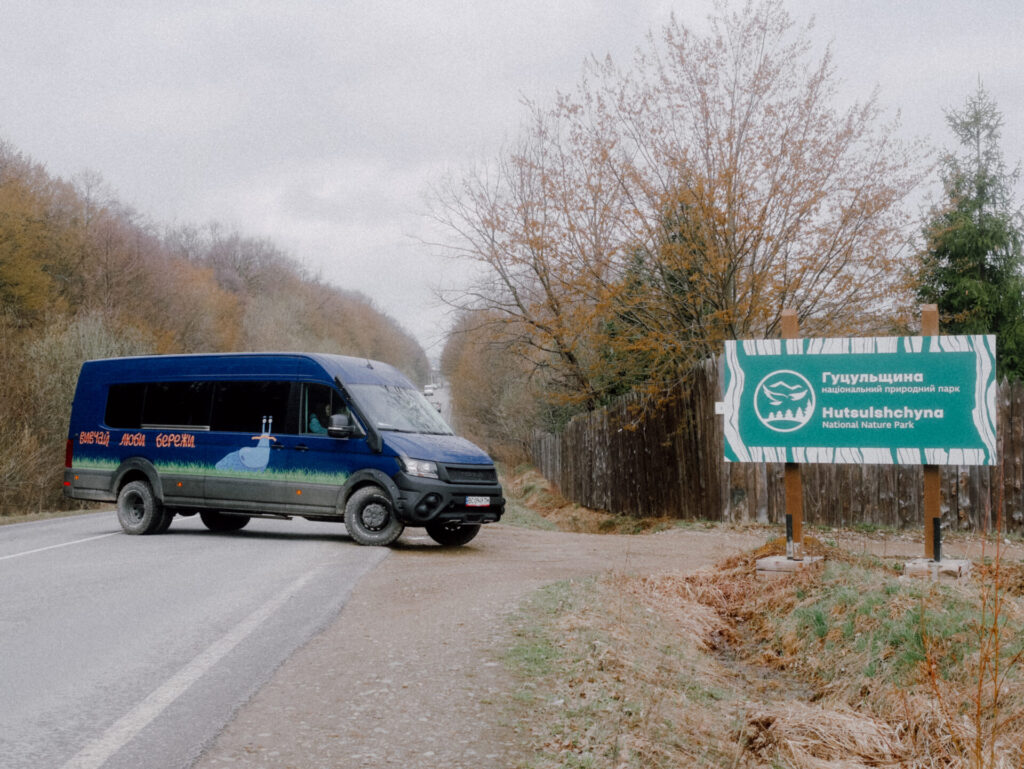
Today, our support extends to 20 national parks and nature reserves—from the primeval forests of the Carpathians to the wetlands of Polissia—and focuses on 11 areas of work. Just as we did 25 years ago, we continue to support the conservation of Ukraine’s large intact natural landscapes by strengthening protected areas: national parks and nature reserves.
What stories await you in this special project?
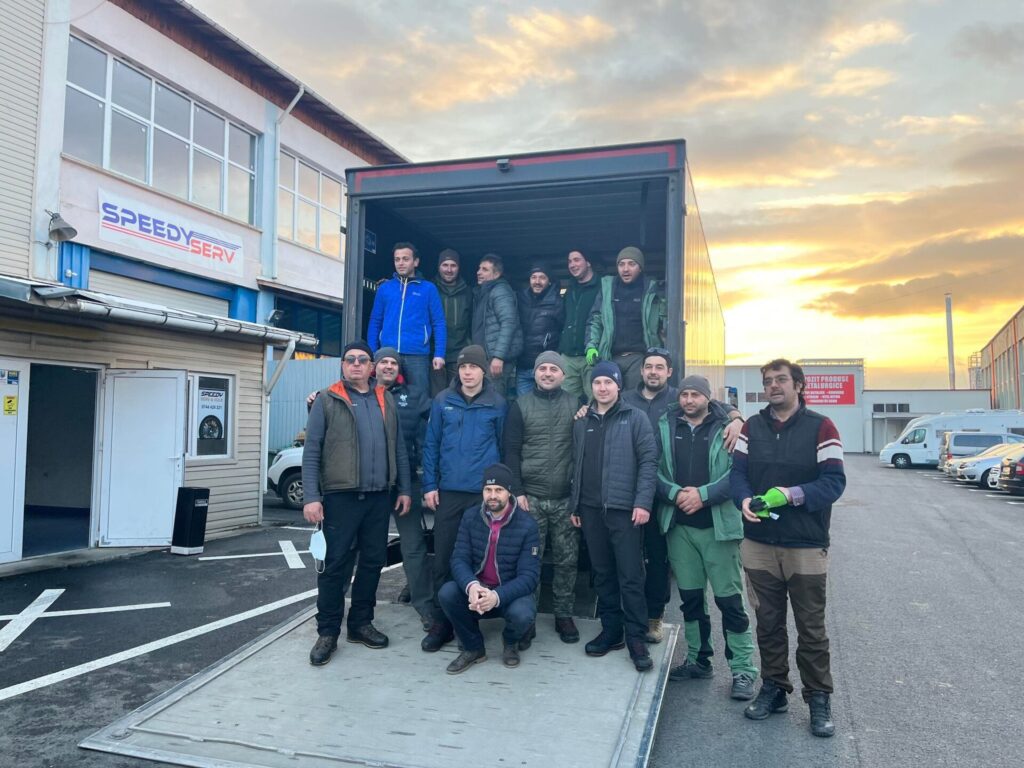
Teams: How the first conservation initiatives were built in the 2000s under conditions of limited resources, and how the challenges facing conservation teams have evolved in the 2020s.
Scientists’ memories: Stories of the people who have dedicated their lives to studying and protecting wildlife.
The development of FZS in Ukraine: How our work began, which conservation directions came first, and how strategic support for Ukraine’s protected areas has evolved over the past 25 years.
A separate chapter of these stories will focus on the mutual support shown during Russia’s full-scale invasion of Ukraine—assistance provided to teams and people in affected regions, which became an important part of our shared responsibility.
All the stories from the special project are available here.
News
German Environment Minister visits the Ukrainian Carpathians