#3 Explore all of mountainous Crimea: the project that introduced Ukraine’s vultures to Europe
25 stories of memories for the 25th anniversary of the Frankfurt Zoological Society in Ukraine. We spoke with the people who were there at the beginning of the organization’s work in Ukraine and implemented the first projects together with FZS.
In the third story, we delve into the memories of ornithologist Maria Osypova, who led a project studying griffons and Eurasian Griffon Vultures on the Crimean Peninsula for several years. The scientist shared memories of the most important stages of the project, the team and its achievements, as well as why data from Crimea were of such interest to European colleagues.
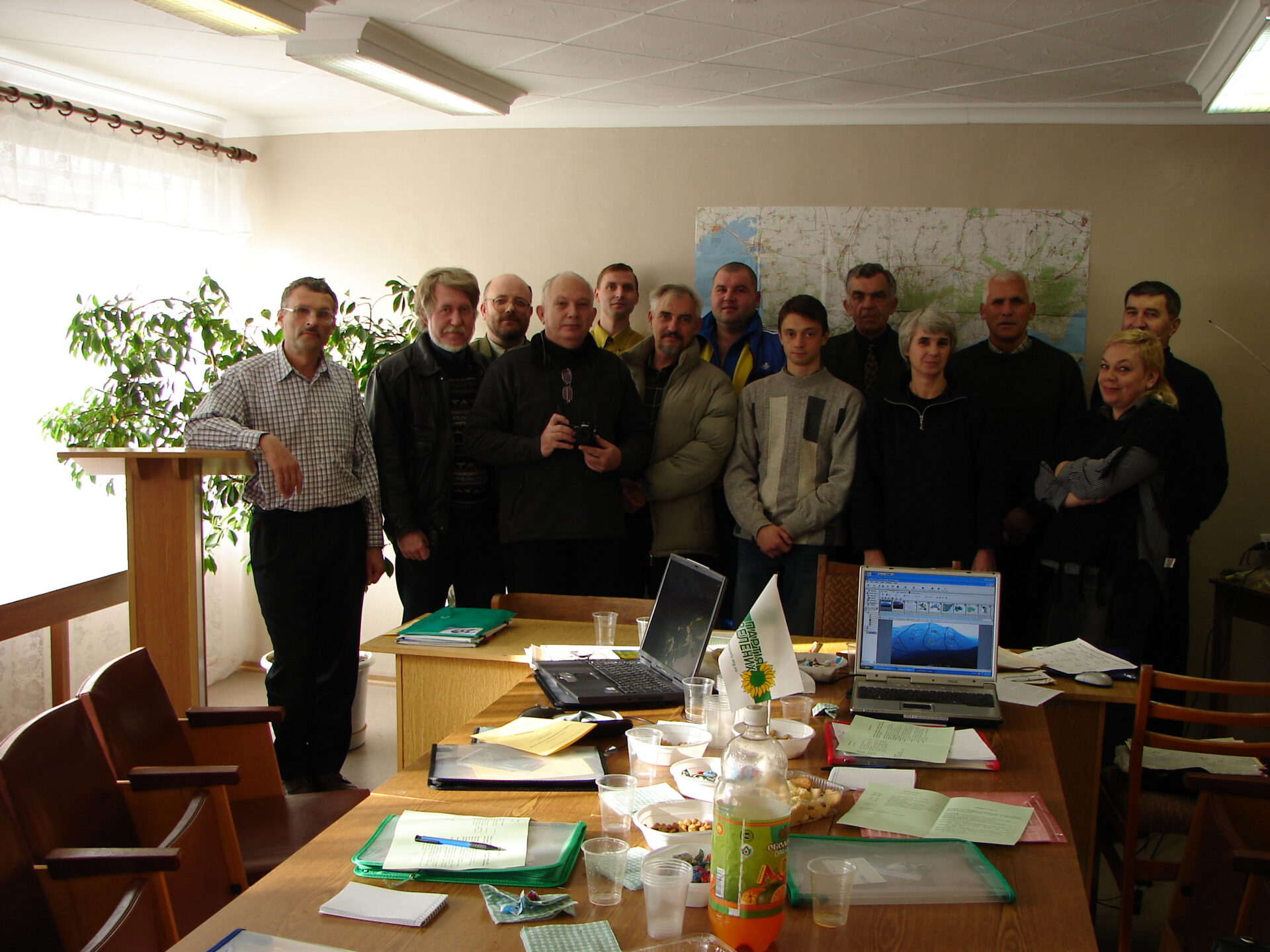
“We were invited to take part in this project in 2002,” — recalls Maria Osypova.
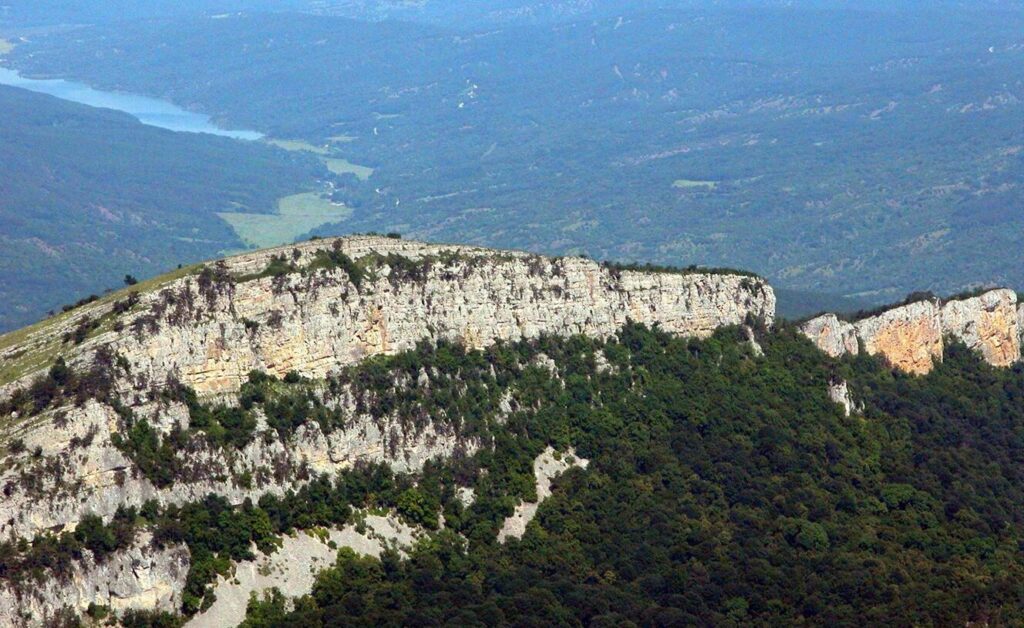
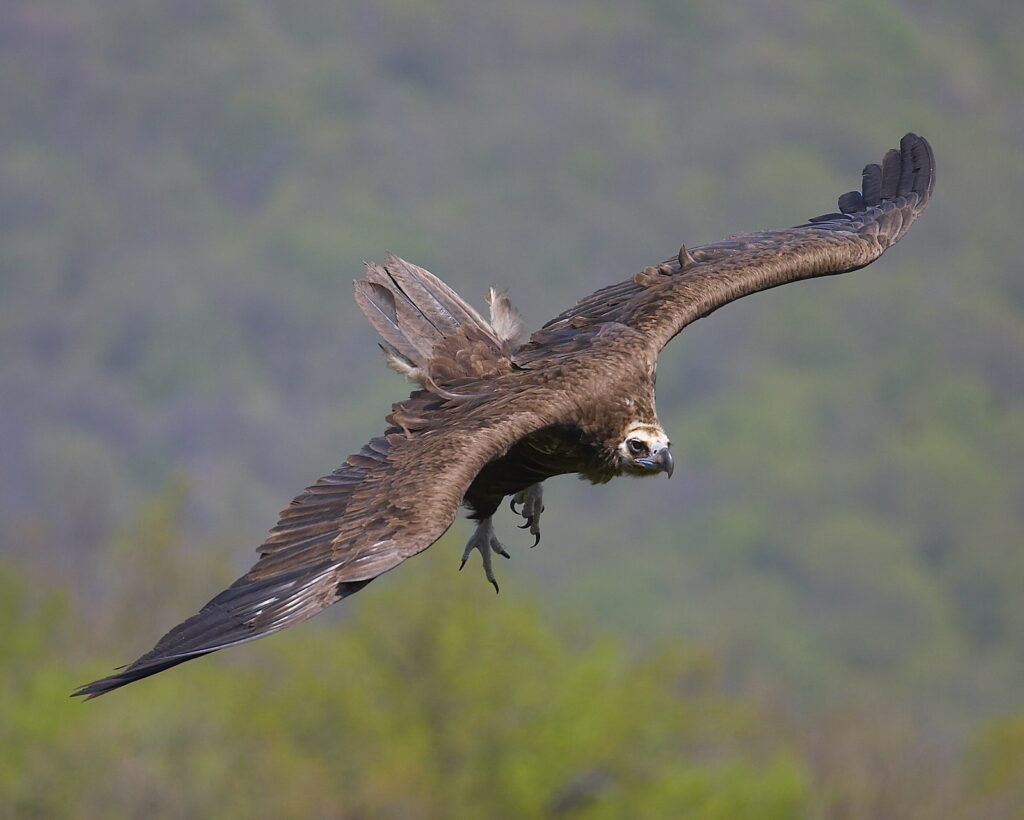
It was part of a major European Balkan project focused on the conservation of scavenging birds. The Crimean Peninsula is part of the global range of three species of these birds: the Eurasian Griffon Vulture, the Cinereous Vulture, and the Egyptian Vulture. At the time, it was believed that vultures in Crimea nested mainly within the Crimean Nature Reserve, and that their breeding range was very small.
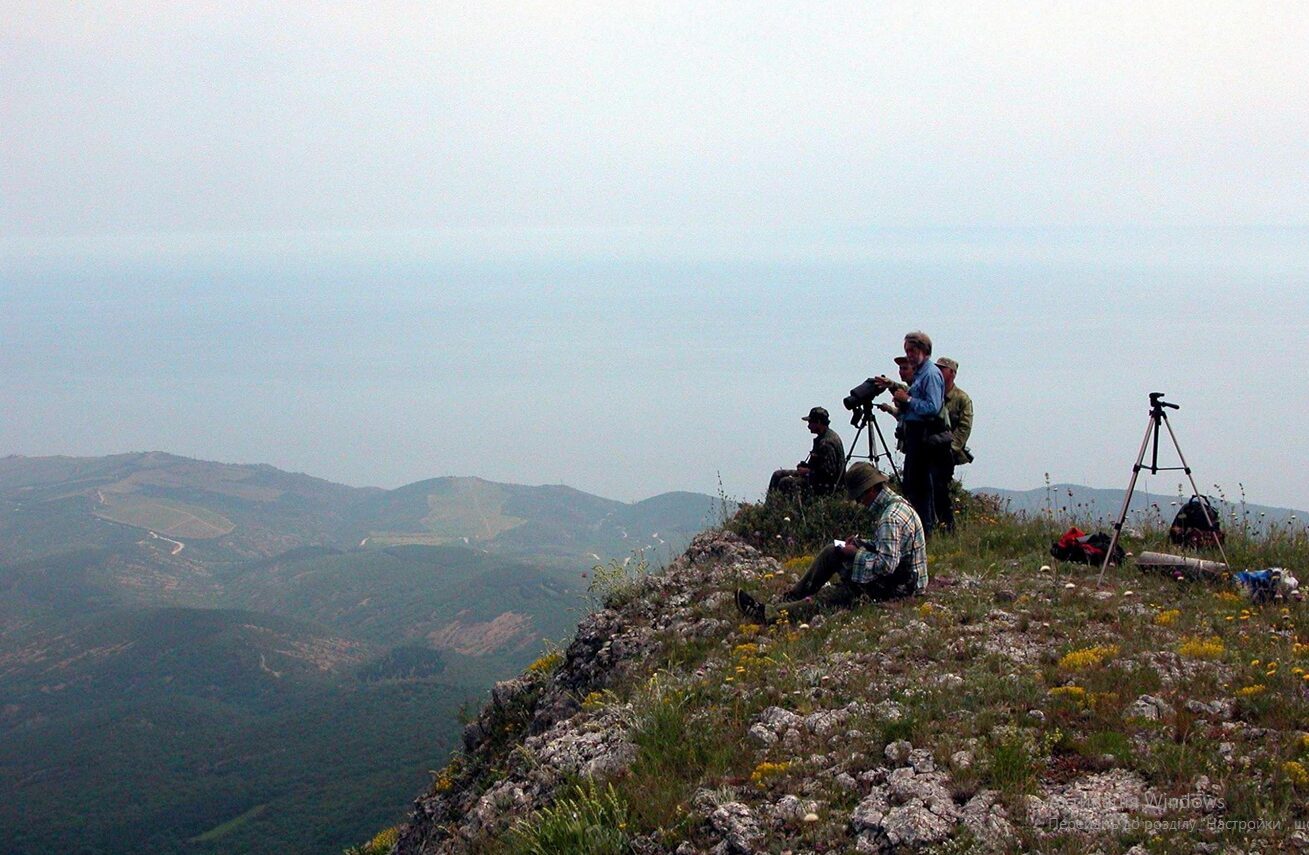
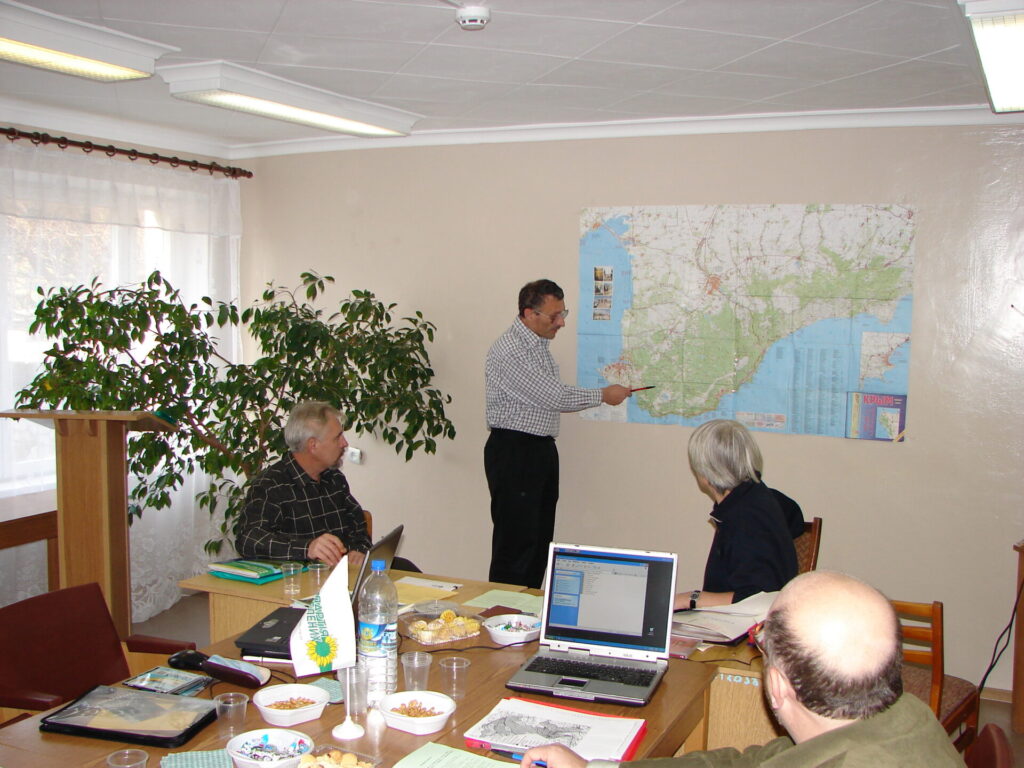
Between 2002 and 2007, we surveyed practically all of mountainous Crimea.
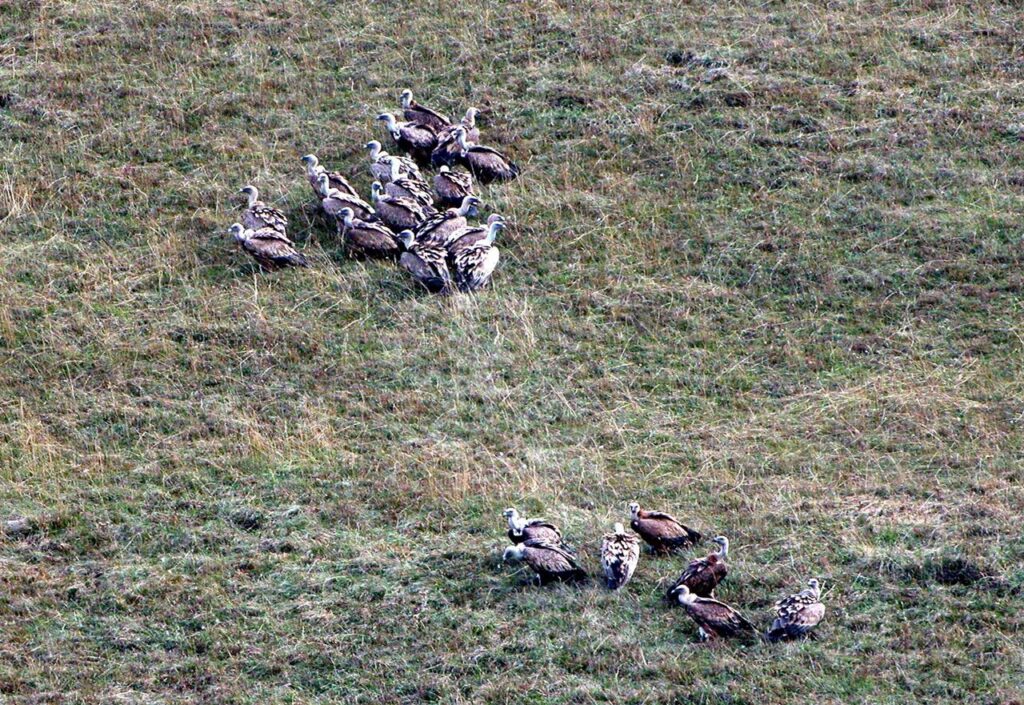
We managed to significantly expand our focus on two species: the Eurasian Griffon Vulture and the Cinereous Vulture. At the beginning of the project, there were only 2–3 recorded nests of the Cinereous Vulture. By 2007, scientists had recorded 18 nests. In the same year, researchers counted 23–25 breeding pairs of Eurasian Griffon Vultures, while the total population was estimated at 120–140 individuals.
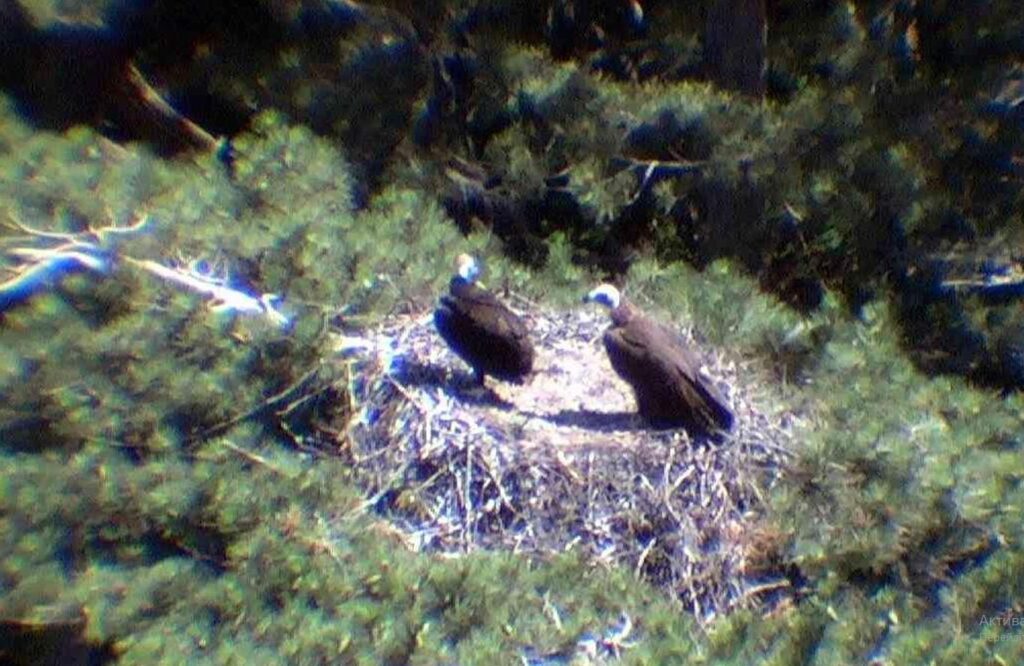
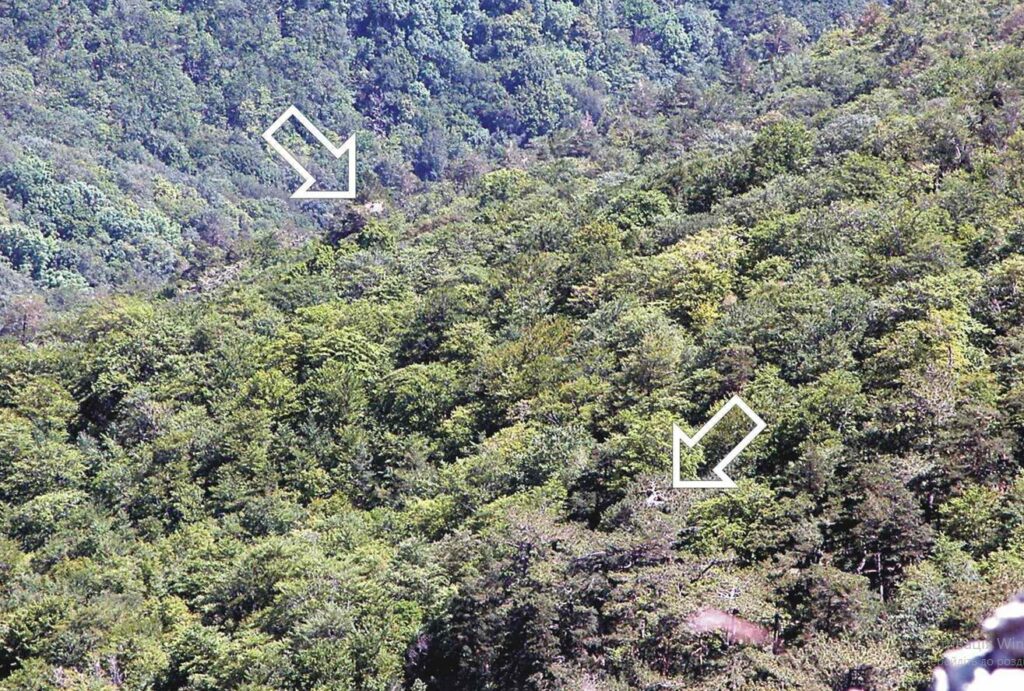
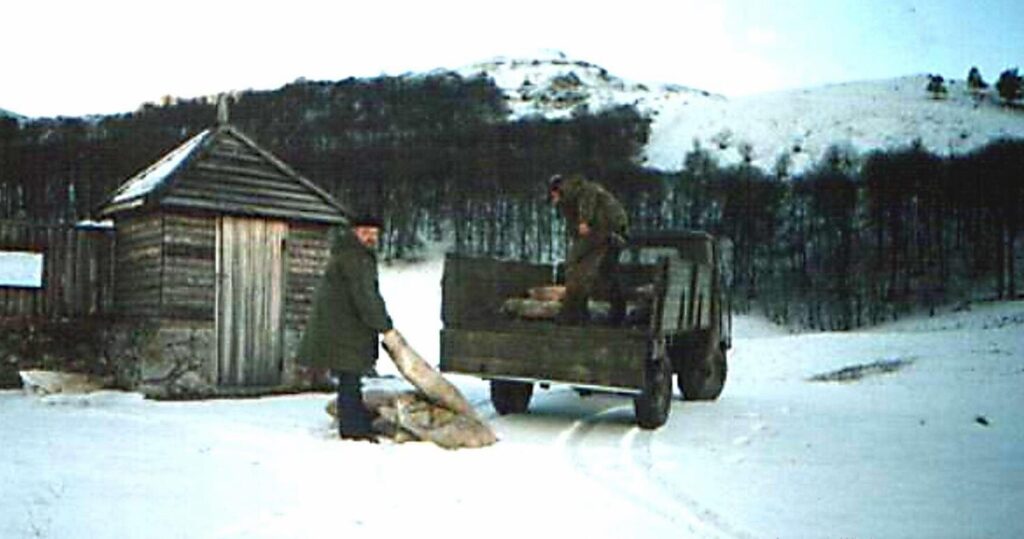
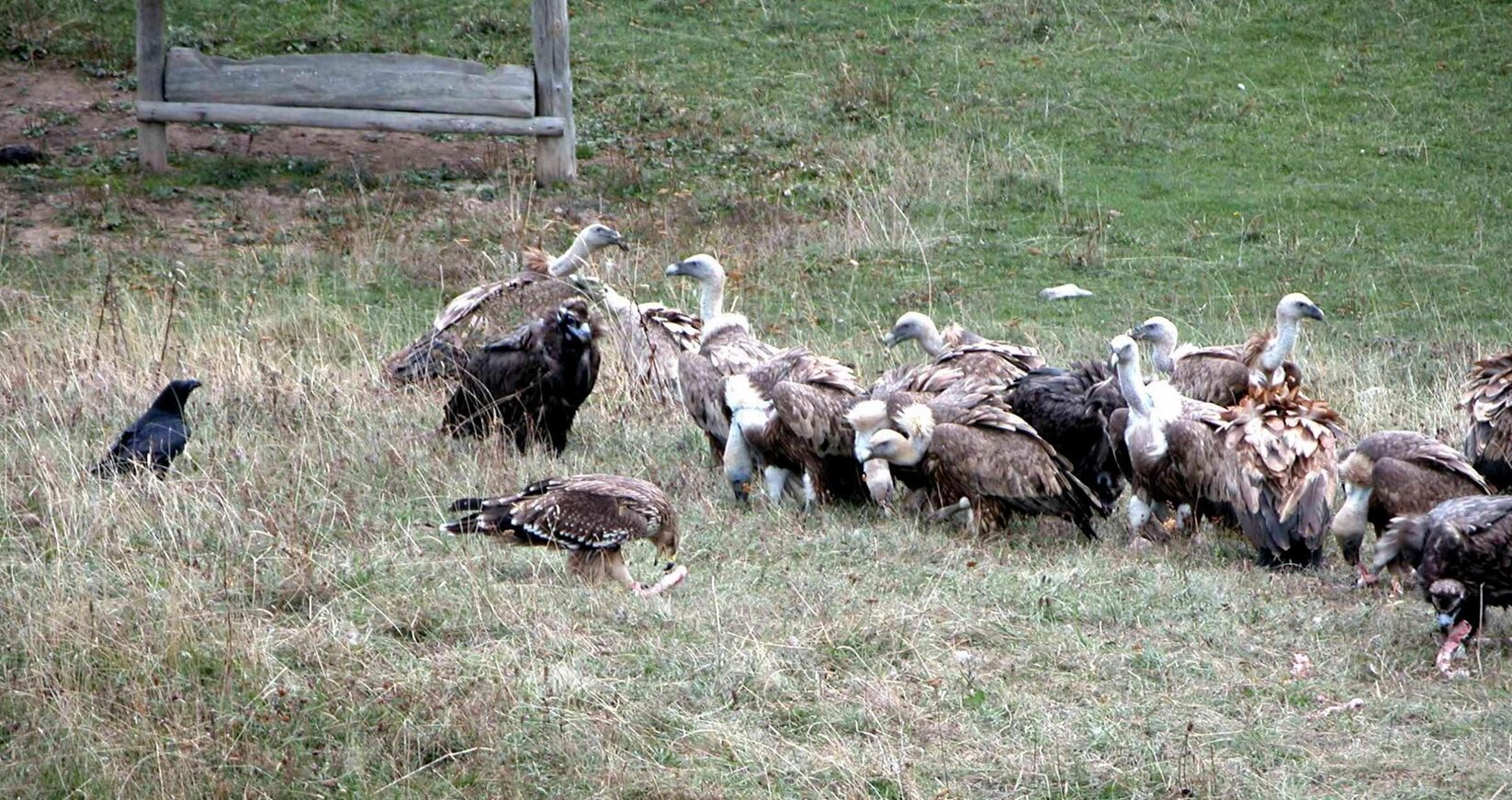
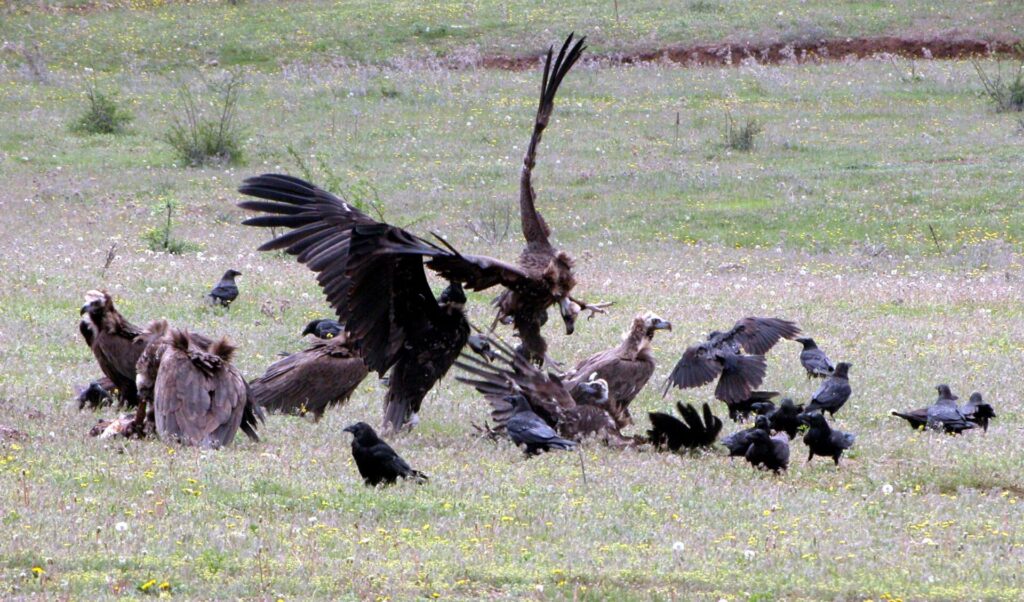
Supplementary feeding was a very important part of the work.
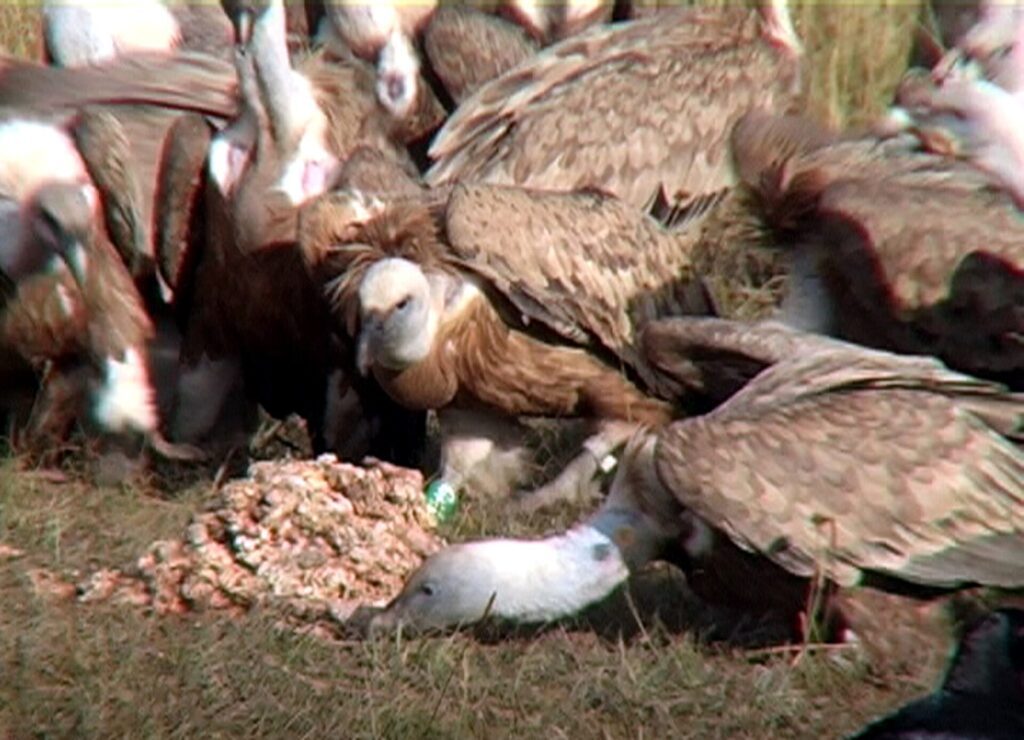
Animal carcasses or meat remains were used as bait and placed in suitable locations, while scientists observed and recorded data from early morning. Supplementary feeding was carried out throughout the season, with population counts conducted twice a year—in spring and autumn. During our project, the population increased significantly. We also recorded Balkan birds in Crimea.
In May 2007, during simultaneous counts at two sites, scientists recorded 63 Eurasian Griffon Vultures and 40 Cinereous Vultures. These were the highest figures recorded throughout the entire project.
Several times during supplementary feeding, we recorded an Egyptian Vulture—the last time it had been observed there was by ornithologist Mykhailo Voinstvenskyi in the 1950s. This prompted us to organize an expedition to Vinnytsia region, where the Egyptian Vulture had previously nested. Unfortunately, we found no evidence of its presence.
In addition to scientific research, we also carried out educational work:
we published the popular science book Meet the Vultures, prepared the monograph Vultures of Ukraine, published articles, and produced brochures and small pocket calendars, each dedicated to a particular species.
In 2007, scientists prepared the project “National Action Plan for the Conservation of Vultures in Crimea.” It summarized five years of research.
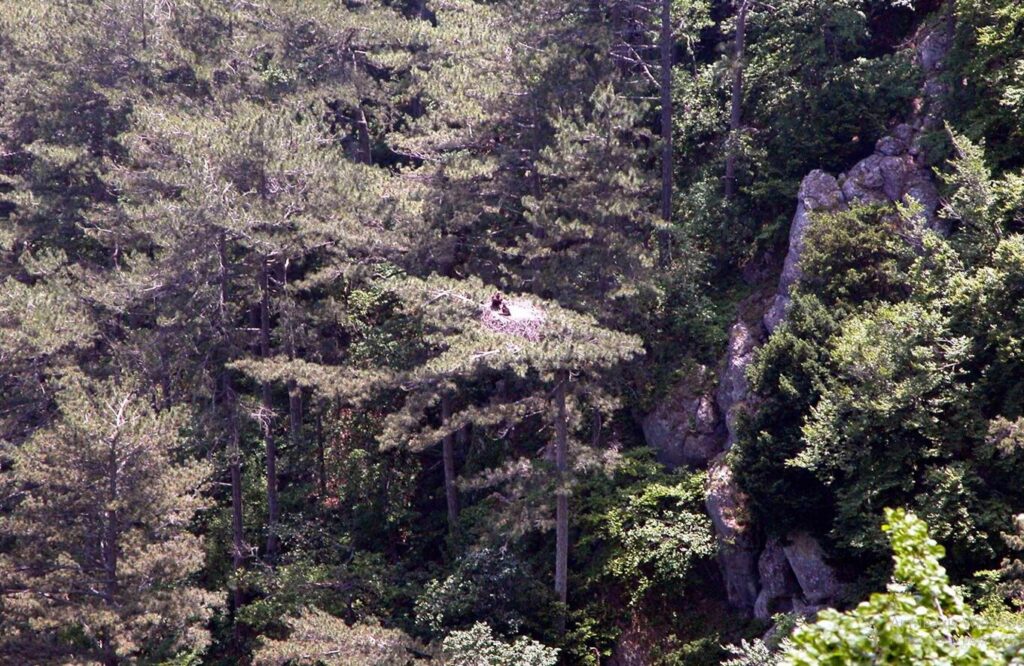
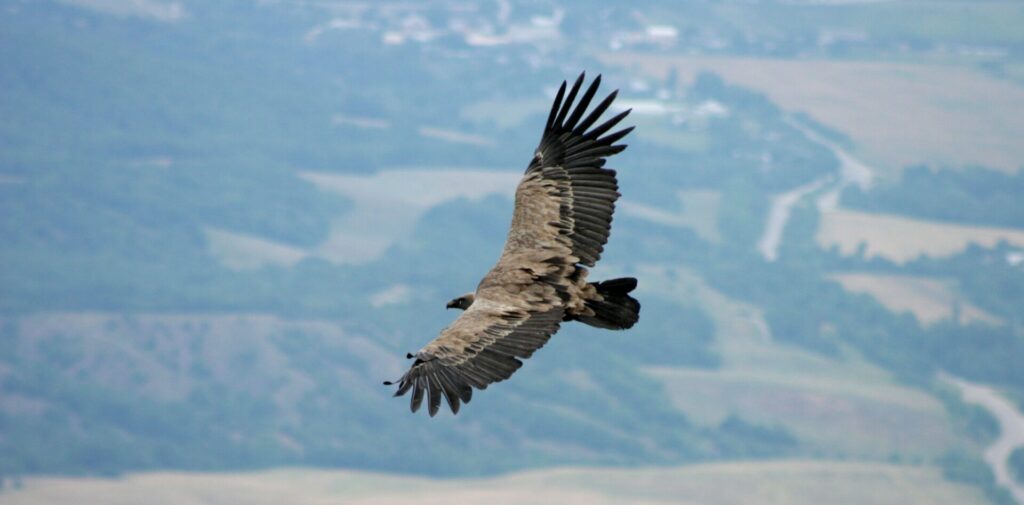
It is very important to understand that the Crimean project was part of a broader Balkan initiative.
In many Balkan countries, the situation for the Cinereous Vulture was very poor. In countries where the species had once been common, it had practically disappeared. That is why our data from Crimea attracted great interest from European colleagues: before the project began, they did not know that Crimea was also a territory where Cinereous and Eurasian Griffon Vultures nested.
This project was made possible thanks to the support of the Frankfurt Zoological Society.
Wolfgang Fremuth played a particularly important role—he visited us, provided consultations, and helped us. It was he who invited our centre to join the Balkan project, having already had positive experience working with us in Polissia.
We felt not only financial support but also human support. There was no unnecessary bureaucracy. Everything was clearly agreed upon—schedules, tasks, reports. Without exaggeration, these were the best years of work for our centre.
Unfortunately, I cannot fully imagine what is happening with the Crimean populations now. I have heard that supplementary feeding in the reserve continues from time to time. But it is difficult to say how the war or fires are affecting the birds.
This is the third story marking the 25th anniversary of FZS in Ukraine. Read the first stories at the links below:
#1 Prypiat, Goldeneye ducks, and Fish Weirs — How FZS’s Work Began in Ukraine.
#2 How the Prypiat River Was Freed from Illegal Fish Weirs.