#1 Prypiat, Goldeneye ducks, and Fish Weirs — How FZS’s Work Began in Ukraine
25 memory stories for the 25th anniversary of the Frankfurt Zoological Society in Ukraine. We spoke with people who stood at the origins of the organization’s work in Ukraine and implemented the first projects together with FZS.
The first story in this series begins in the Prypiat–Stokhid Regional Landscape Park, with cold Polissian winters, Ukrainian songs, and a team of people who truly cared about nature. The story is told by Mykola Klestov, who at that time served as Director of the State Enterprise “Scientific Center for Nature Conservation Affairs.” Archival photos were provided by Yurii Olasiuk.
“There are vast areas on the border with Belarus — almost untouched, and extremely valuable from a natural perspective. But they need protection”.
This is what hydrobiologist Hryhorii Parchuk was remembered saying during a meeting at the Main Department of National Parks and Nature Conservation Affairs, which at the time was headed by Mykola Stetsenko. Hryhorii was local to the region, knew it well and cared deeply for it. On paper, the Prypiat–Stokhid Regional Landscape Park already existed. But it was this meeting that became the starting point for real conversation work.
At that time, I already knew Wolfgang Fremuth — we had met earlier while he worked with conservation foundations and was involved in other projects in Ukraine, and later he became Head of European Programs at the Frankfurt Zoological Society. So after the meeting, Wolfgang asked me to go on a reconnaissance trip: to see what was happening on Polissia and talk with people. That was roughly how the path of FZS in Ukraine began.
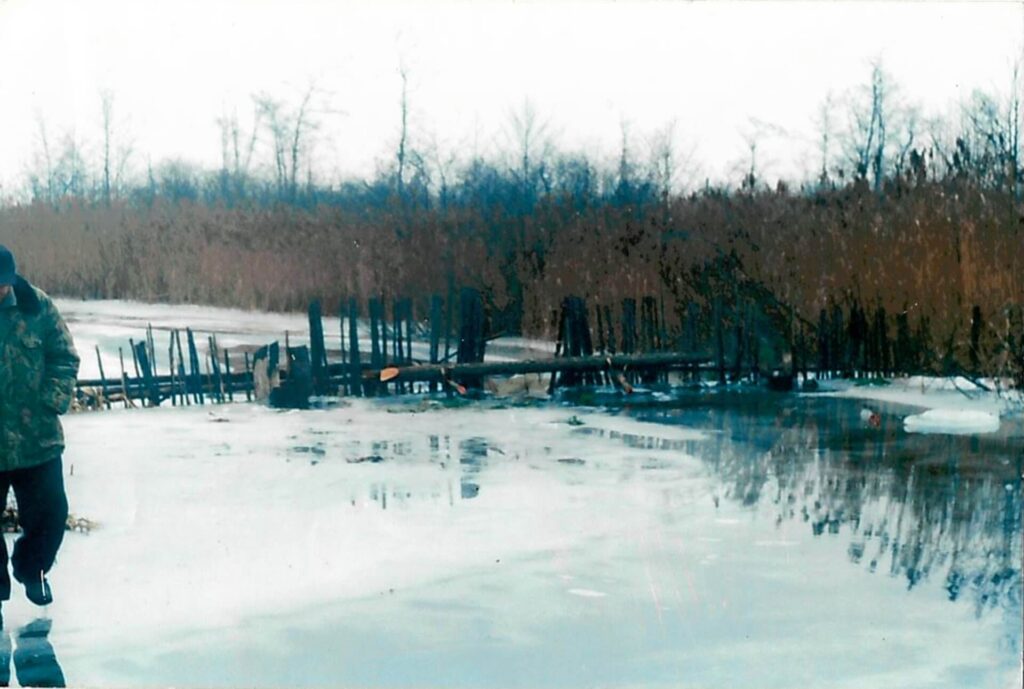
I traveled to Liubeshiv in December 2001. It was a real Polissian winter — cold and windy, weather very similar to what it is now (in February 2026).
There I met Yurii Olasiuk, who at that time worked at the district environmental inspection office. Together we traveled across the region, visiting different sites, and speaking with local people. We were thinking practically: if the park was to be developed, where would the administration be located? Where would we find premises? How could we organize the work?
Despite the winter, it was clear that these places were truly unique. Vast floodplains, rivers, forests — everything very alive and almost untouched. And at that moment it became clear that this idea was worth chasing.
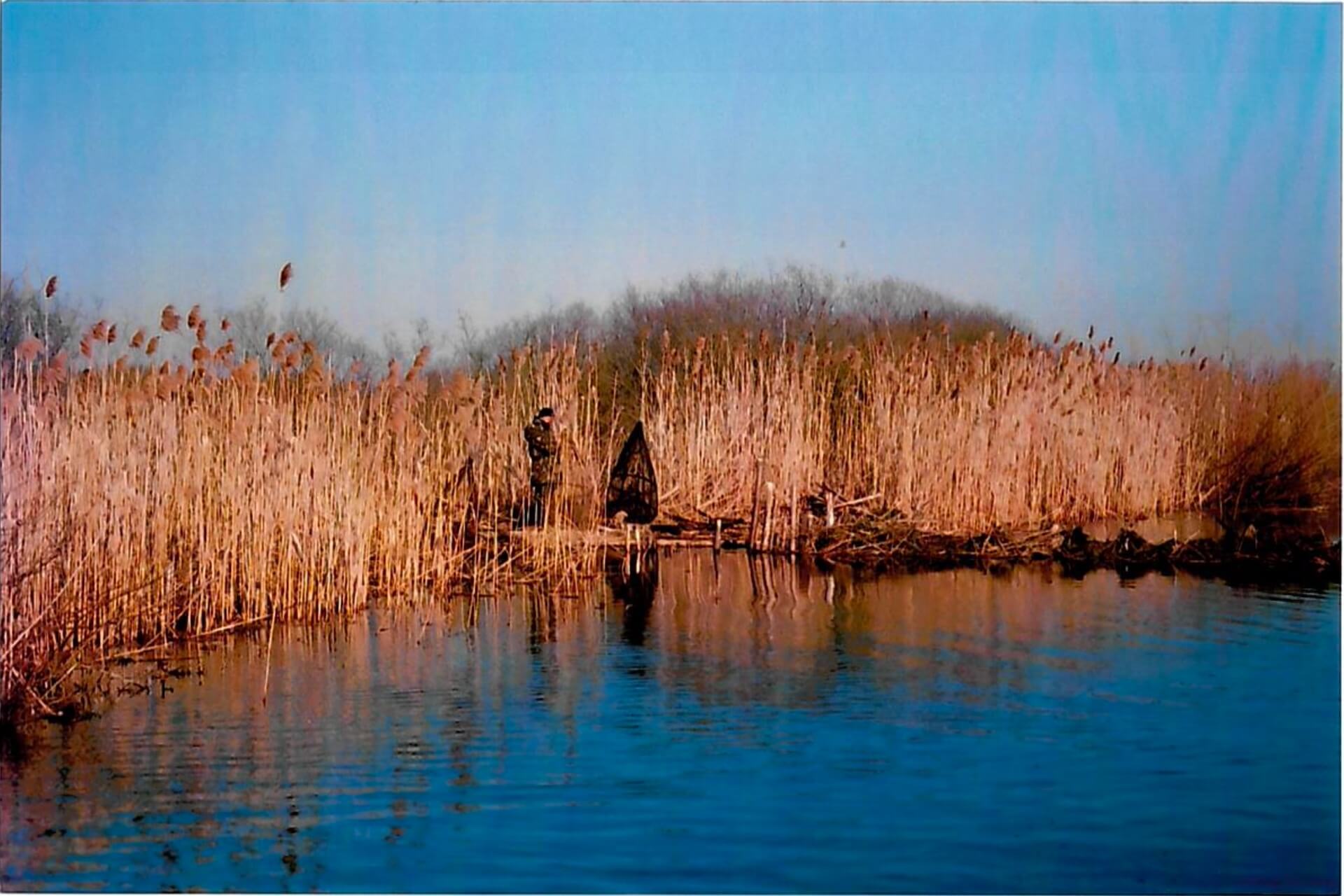
The first practical steps toward establishing real protection were taken by Yurii Olasiuk together with his family.
At that time, I was Director of the Scientific Center for Nature Conservation Affairs and helped coordinate cooperation with the Frankfurt Zoological Society. We started with essentials: purchasing a vehicle, motorboats, and equipment necessary for working in floodplains and wetlands. The staff roster was small — about six people. But later the team expanded: new tasks appeared, and the park began operating in earnest.
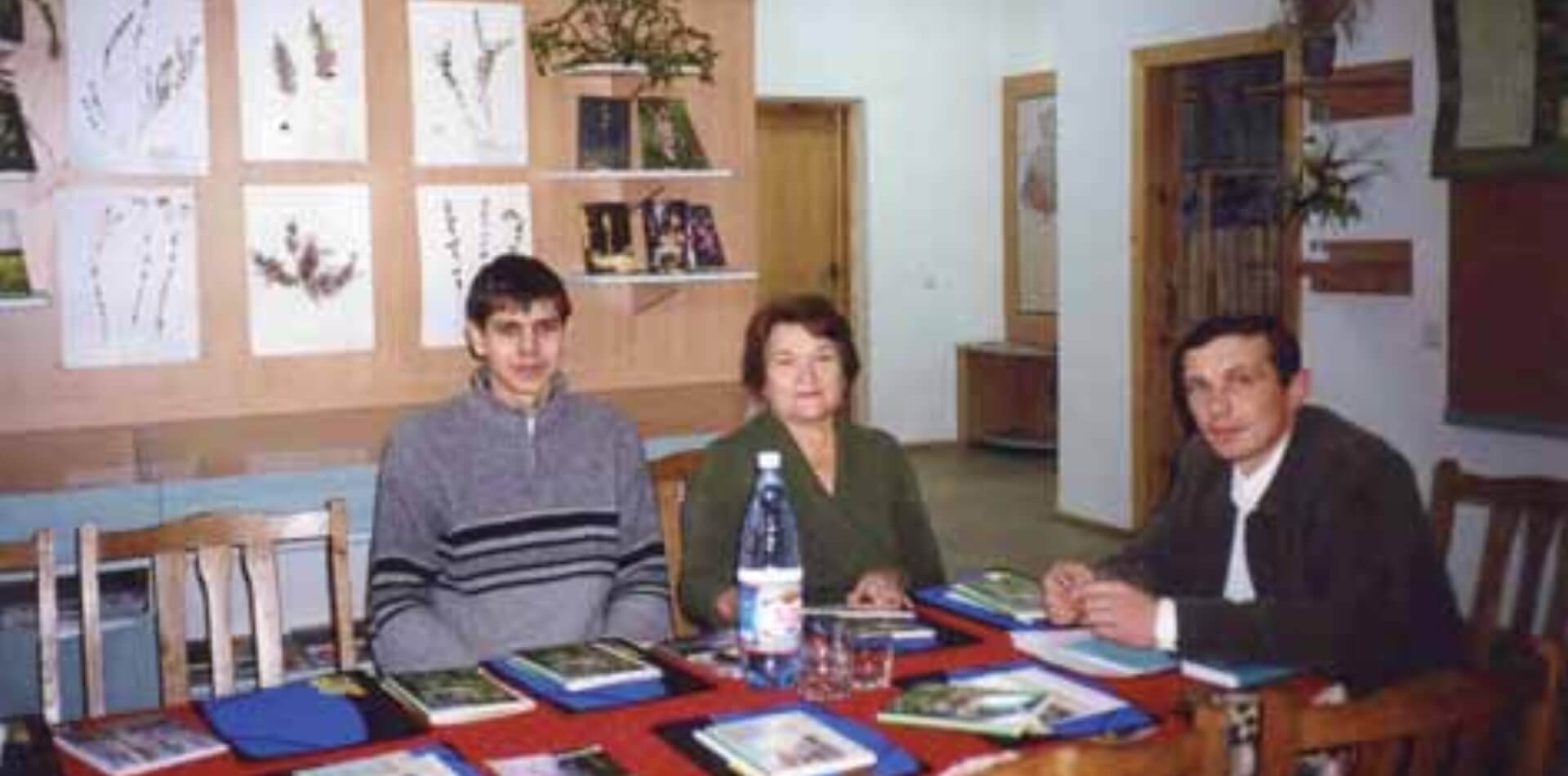
Together with a team of scientists, we prepared a small book about the wetlands of the Prypiat–Stokhid Regional Landscape Park. Specialists in hydrology, geology, and other fields worked on the draft. This was foundational work for understanding the area.
I will never forget one boat trip from this time.
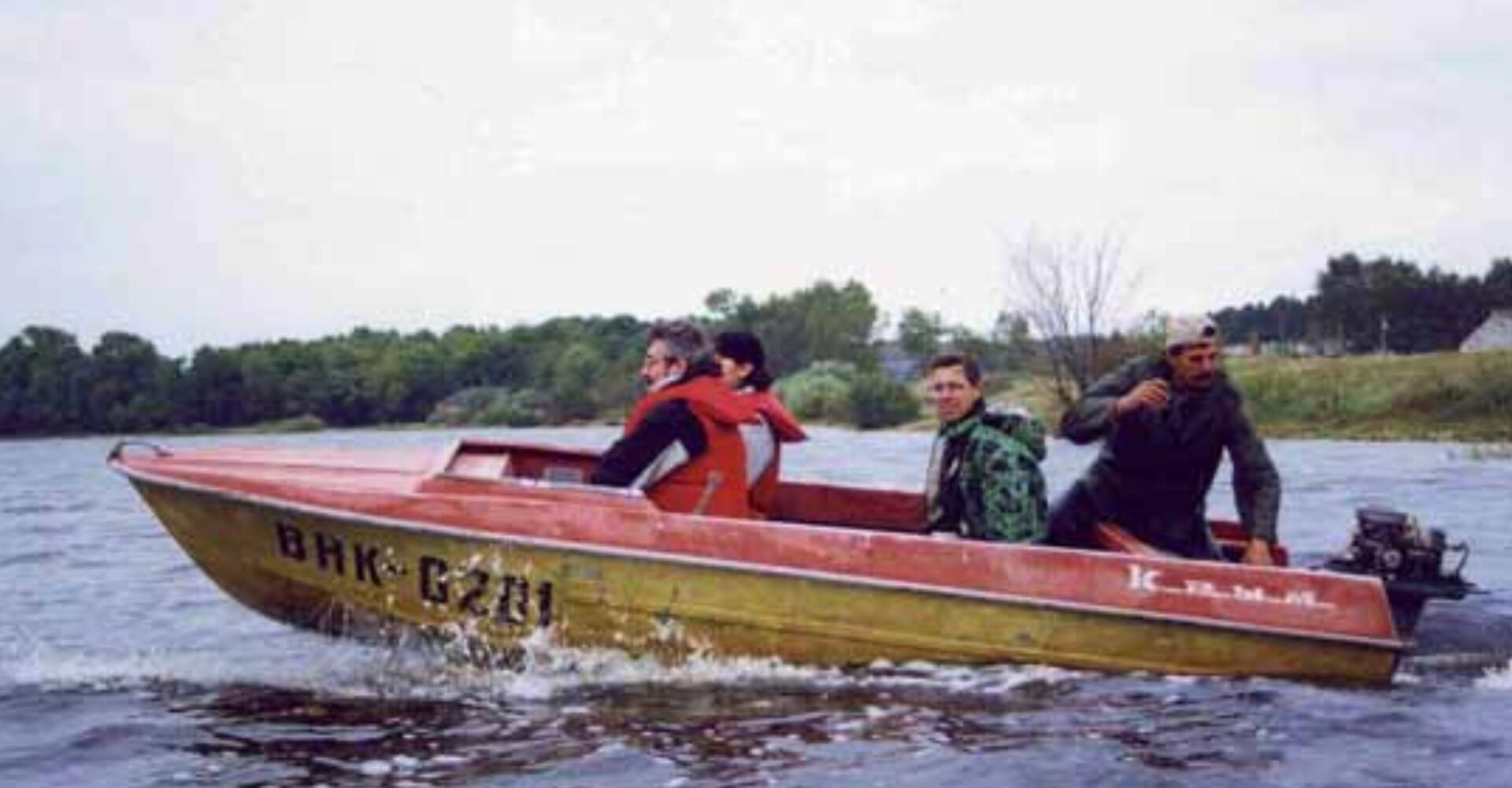
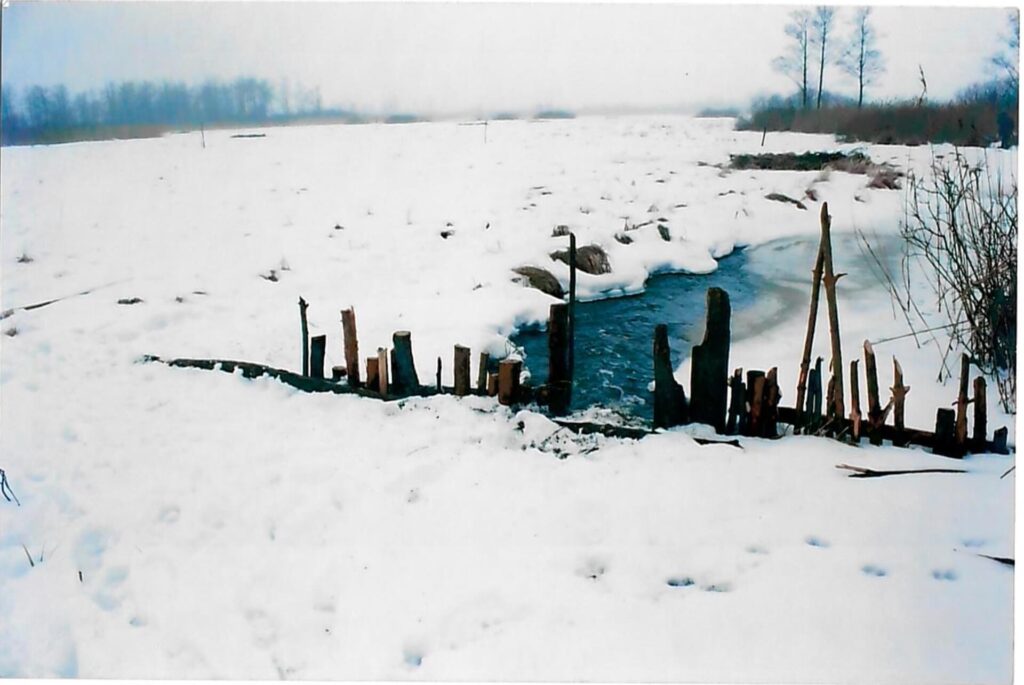
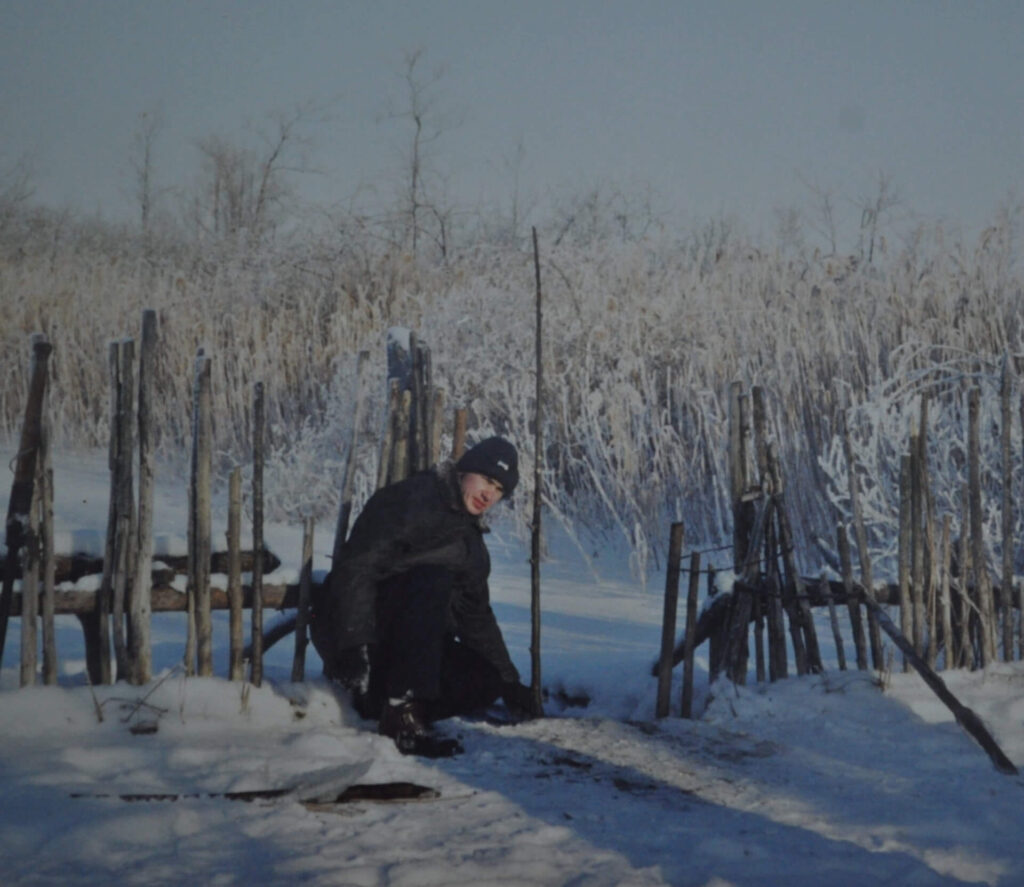
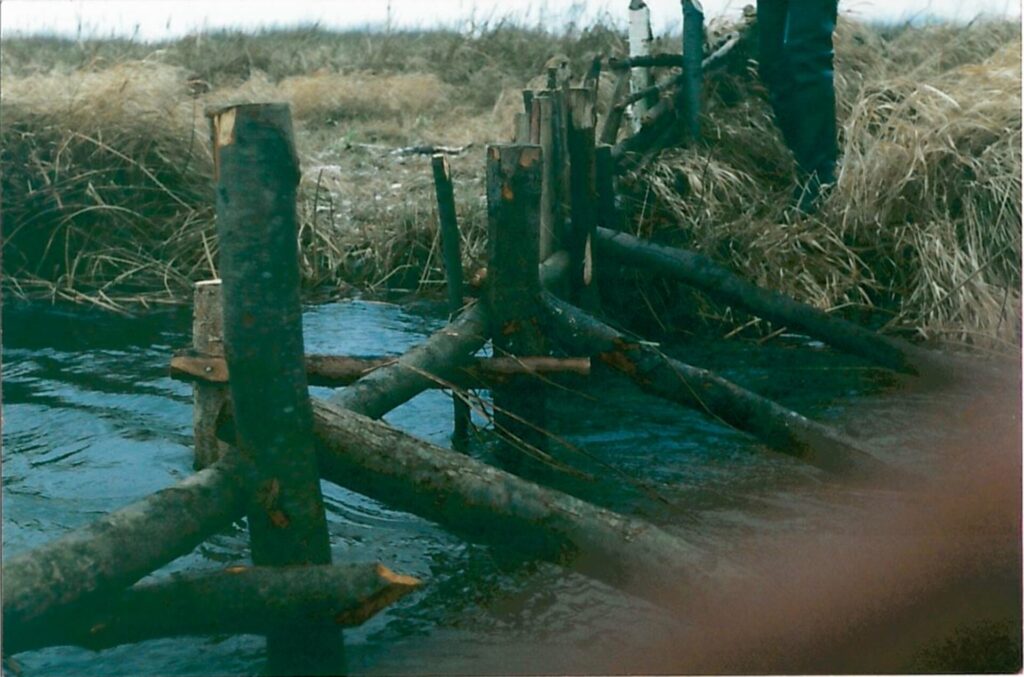
Fremuth and colleagues arrived in the summer, and it was warm. We were taking them along the Prypiat River and met women traveling on a motorboat to a church service who were loudly singing songs, which greatly impressed our colleagues from Frankfurt. A conversation started, and the women told us that for 10 years they had not been able to reach the church by river because of illegal fish weirs created by poachers which blocked their travel. And now, thanks to the park staff, they were finally able to travel again.
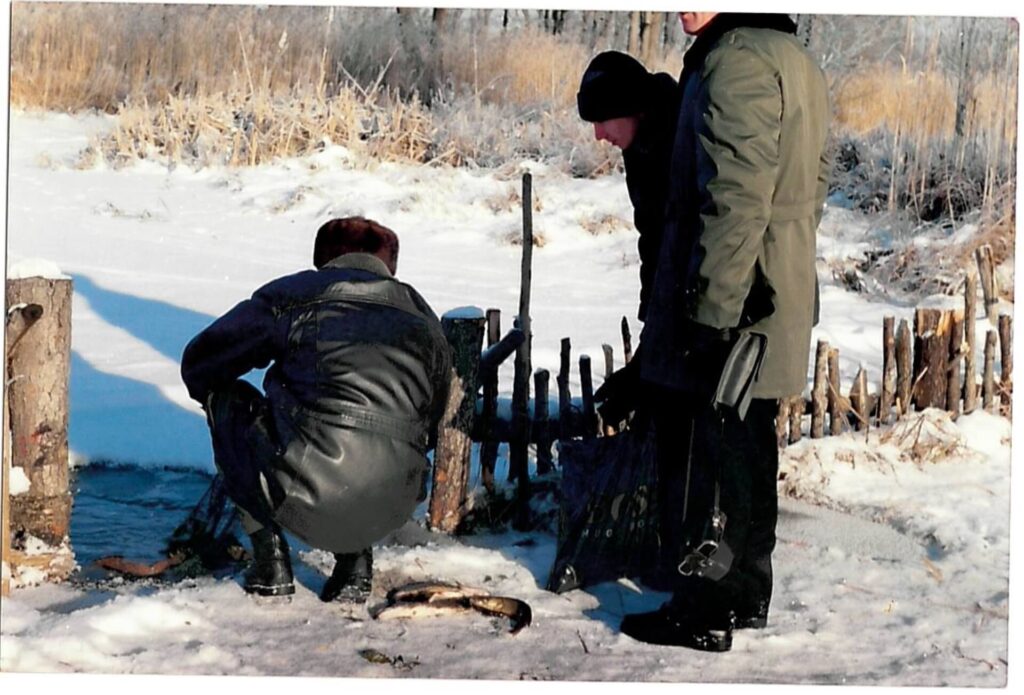
Back in Polish times (many regions of western and central Ukraine were part of the Polish-Lithuanian Commonwealth until the late 18th Century), these fishing weirs were dismantled for the winter. Stakes were removed from the river and stacked on the shore, then reinstalled in spring. But over time such practices began to decline. Some of the weirs were abandoned and became overgrown with vegetation – practically impossible to pass by motorboat. The park team worked to dismantle all of this, and the river channel was cleared. It was hard but necessary work.
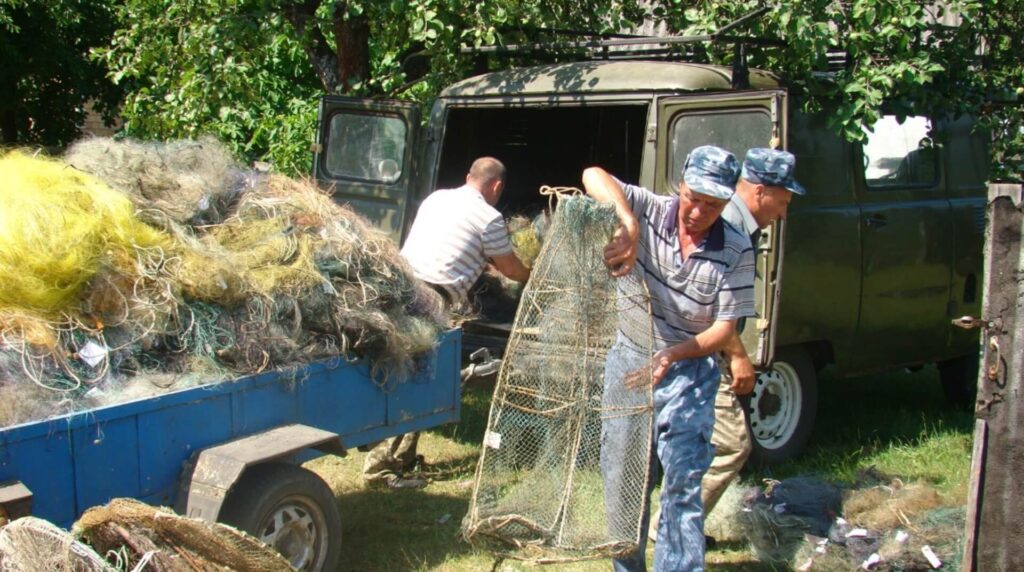
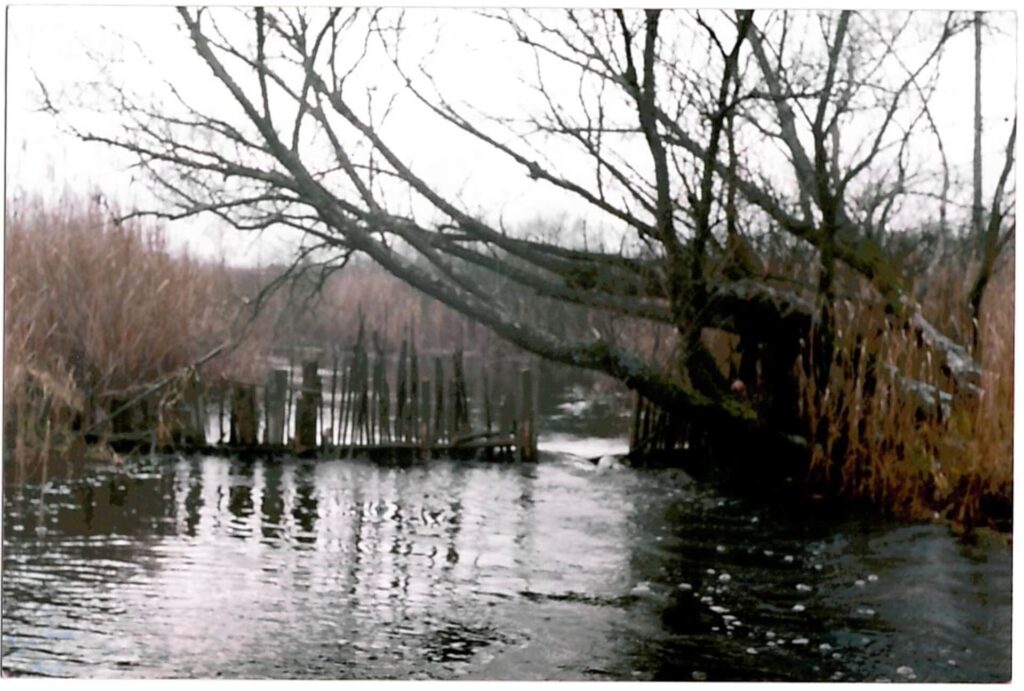
In addition to protecting the rivers and combating poaching, we also worked on conservation programs for birds.
One example is the white tit. This is a Red Data Book species in Ukraine that nests in tree cavities, and we began making special nest boxes for it.
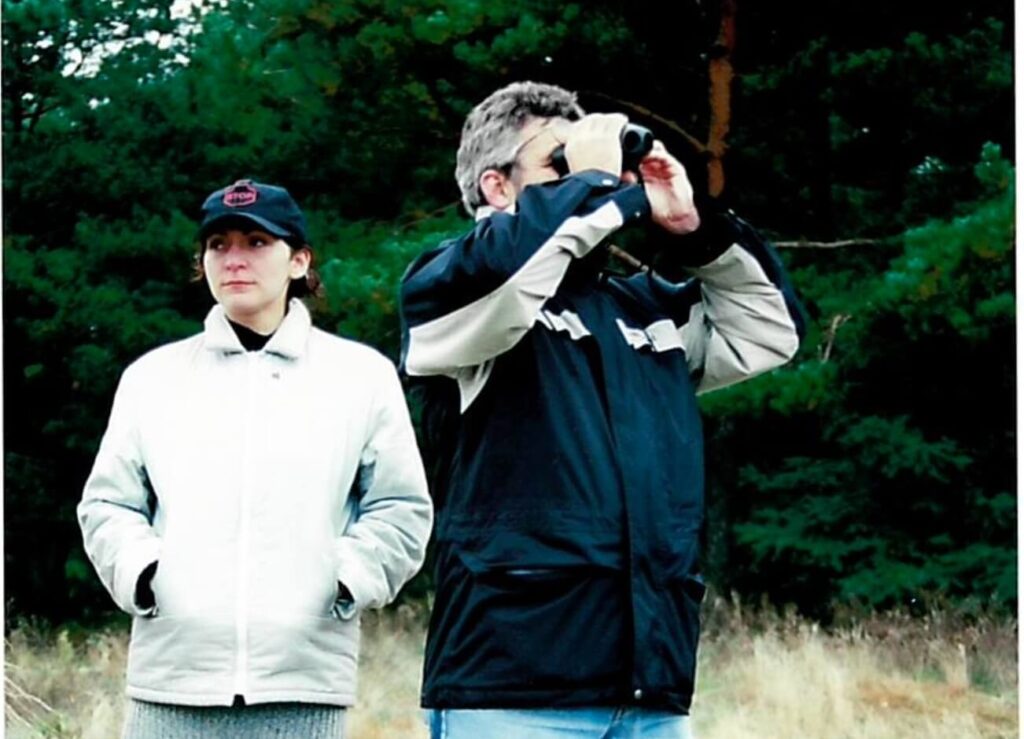
These nest boxes were installed in floodplain forests; we explained to local residents why this was important and involved them as volunteers. It was cooperation, and produced good results — improving the bird population in some places. We did active monitoring near the village of Svalovychi — a very distinctive Polissian locality. There, with support from the Frankfurt Zoological Society, a field research station was established for scientific studies that operates to this day.
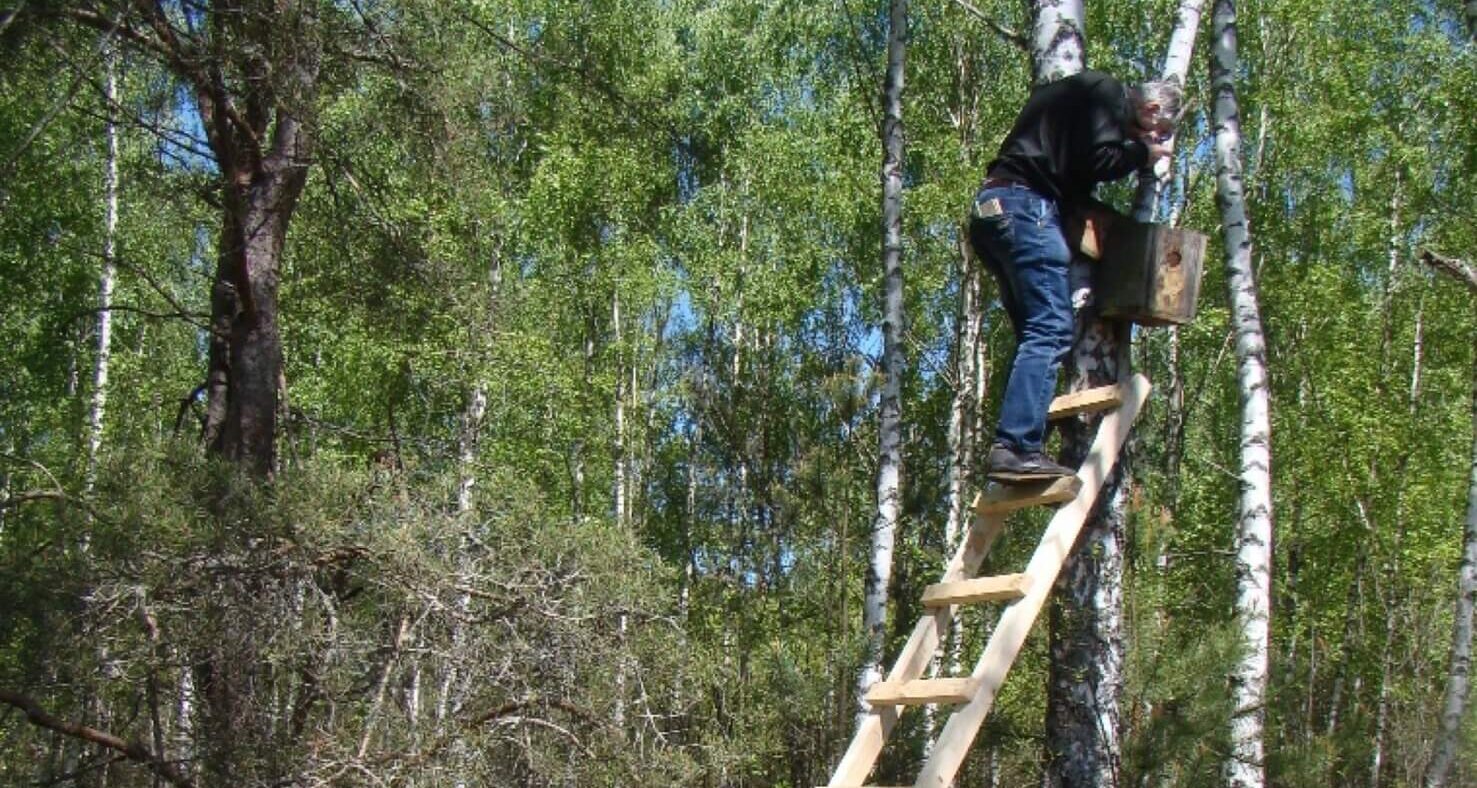
We successfully established a very strong team in the park. We even jokingly called it the “old guard.”
The team organized very professional anti-poaching patrols. These were real operations — with strategic planning, purposeful expeditions , and targeted surveillance. We apprehended poachers using electrofishing devices and, at that time, real order was restored.
Thanks to FZS we were confident in the support of our expeditions and work. Everything we agreed upon and planned was implemented on time. If a contract stated that funding would arrive within a certain period, it arrived exactly then. And this was very important for us. It was always possible to explain an idea to the FZS team. If we proposed something new and could justify why it was necessary, we were heard and often supported. That is why I remember those years as a very good period.
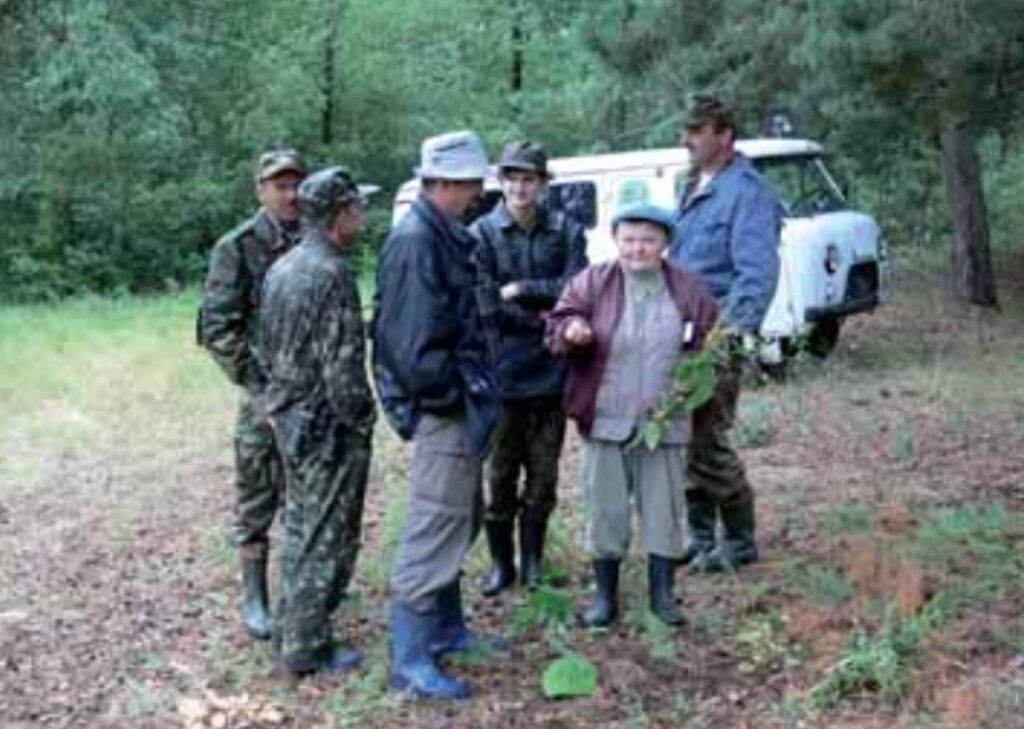
A great deal of high-quality work was carried out locally: ecological trails, an environmental education center, and the regional landscape park later became the foundation for a national park. Most importantly — an established team with great experience that later continued working in the new national park.
We worked hard, traveled often, and discovered much in this region thanks to FZS. I believe that together we did a great deal of useful work for the Polissian region.