#2 How the Prypiat River Was Freed from Illegal Fish Weirs
25 memory stories for the 25th anniversary of the Frankfurt Zoological Society in Ukraine. We spoke with people who stood at the origins of the organization’s work in Ukraine and implemented the first projects together with FZS.
This story is about clearing the rivers of illegal fish weirs, restoring their hydrology, and a related program to install artificial nesting boxes for the breeding of rare goldeneye ducks. The memories were shared by Yurii Olasiuk, Deputy Director and Chief Naturalist of Prypiat–Stokhid National Nature Park.
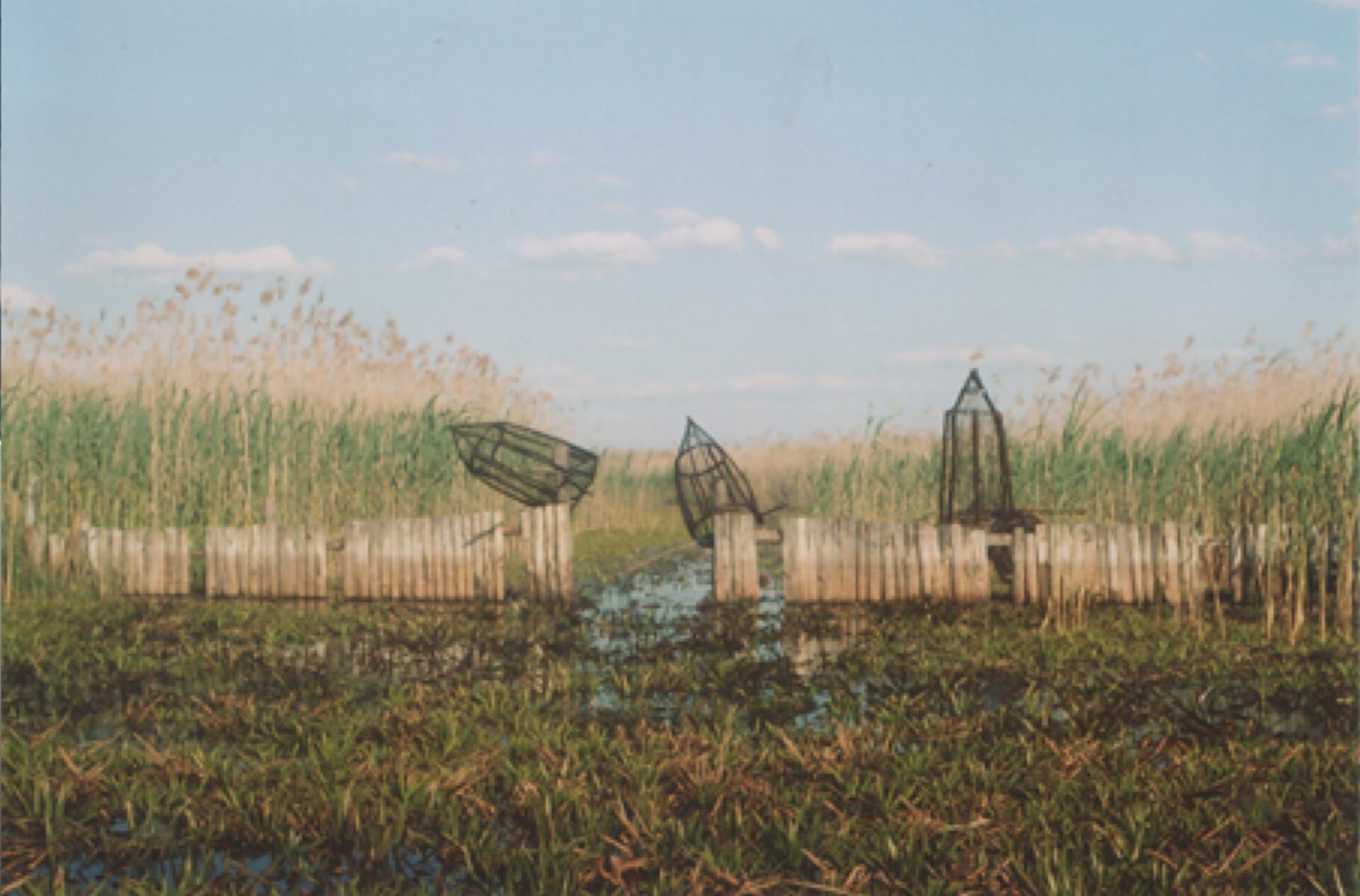
When we began working in the Prypiat–Stokhid Regional Landscape Park in the early 2000s, it existed only on paper.
I gathered a team of nature enthusiasts, and in 2002 the Frankfurt Zoological Society proposed cooperation. Our first challenge was water.
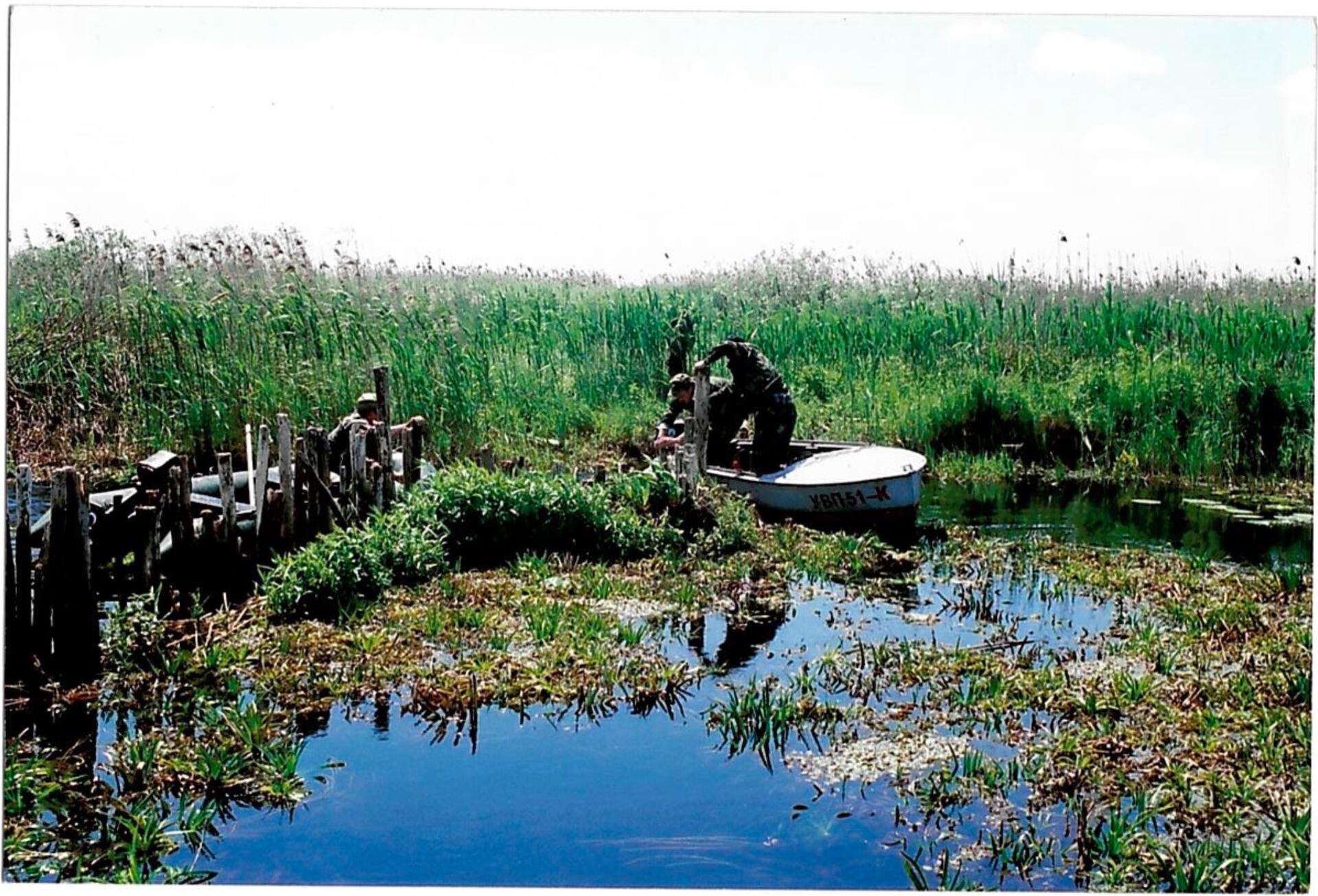
The situation on the Prypiat and Stokhid rivers was very difficult.
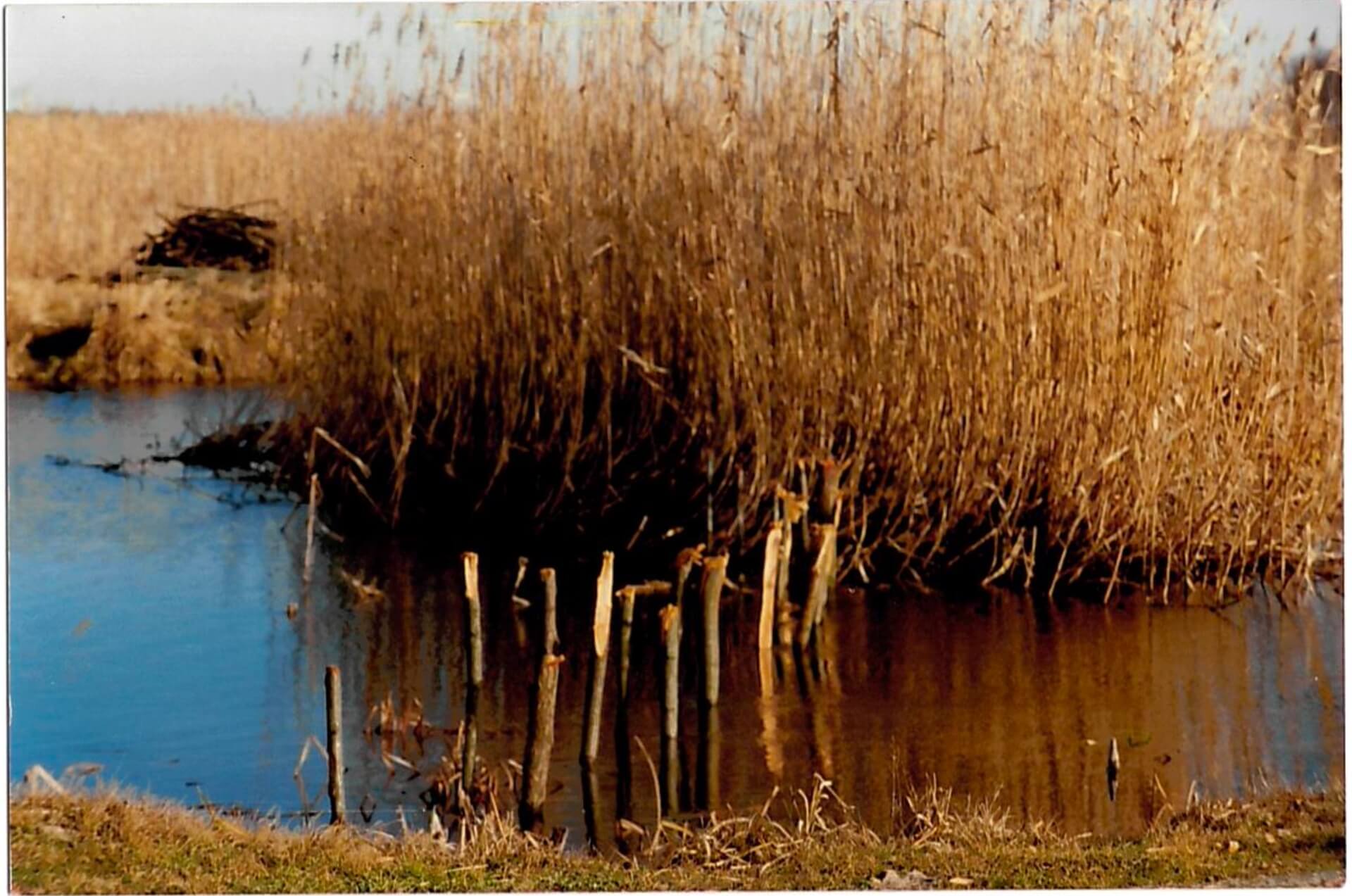
The biggest problem was illegal fish weirs, of which there were many. These weirs were built from whatever materials were available, like posts, fence slats, or tree branches. They were able to block almost an entire river channel, leaving only a few narrow passages where illegal fishing gear was installed. Fish accumulated in those places and were easily caught. But the illegal fishing removal was not the only problem.
Such weirs have a strong impact on river hydrology. When a river channel is blocked, the current slows down. This allows the growth of more vegetation, which slows the flow even more, encouraging yet more vegetation This process snowballs quite quickly. Some of the weirs had been in place for decades, and most of them no longer even in use. Removing them became one of our main tasks.
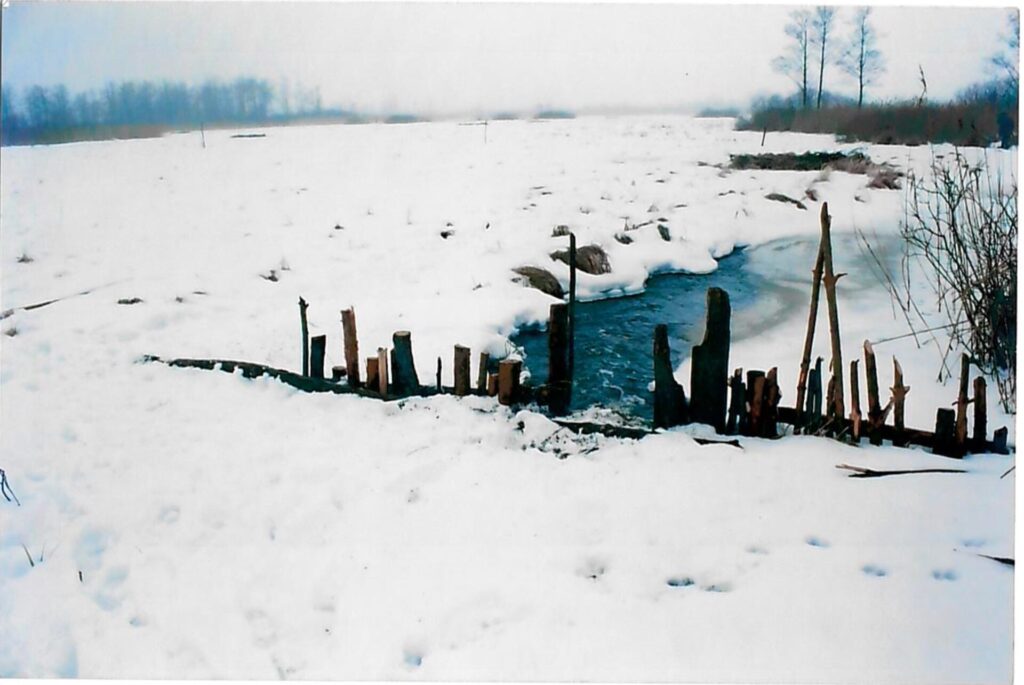
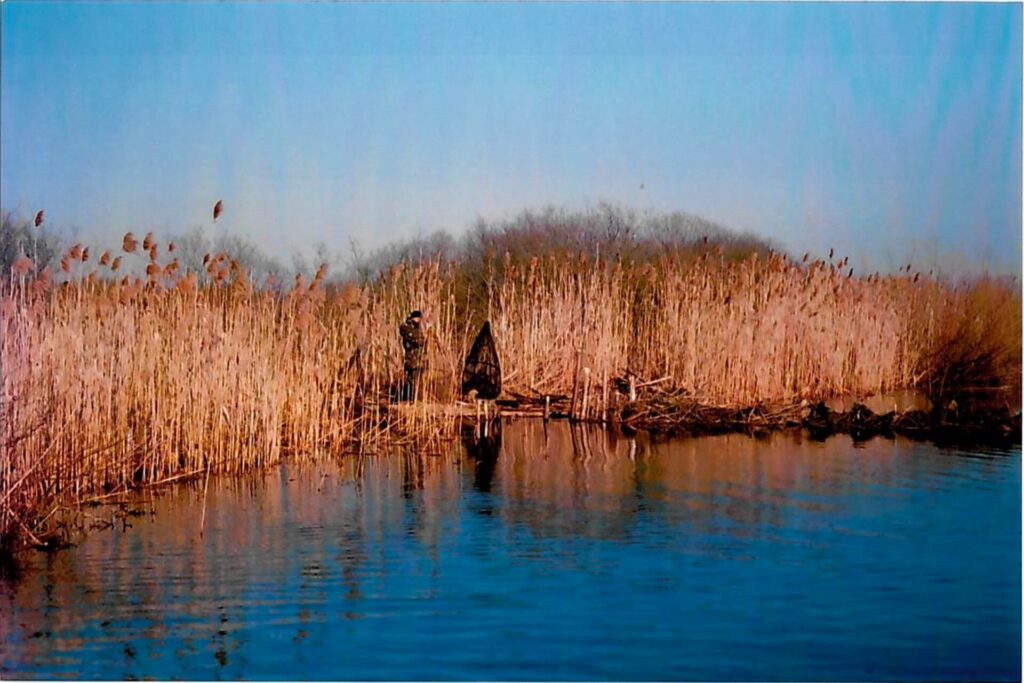
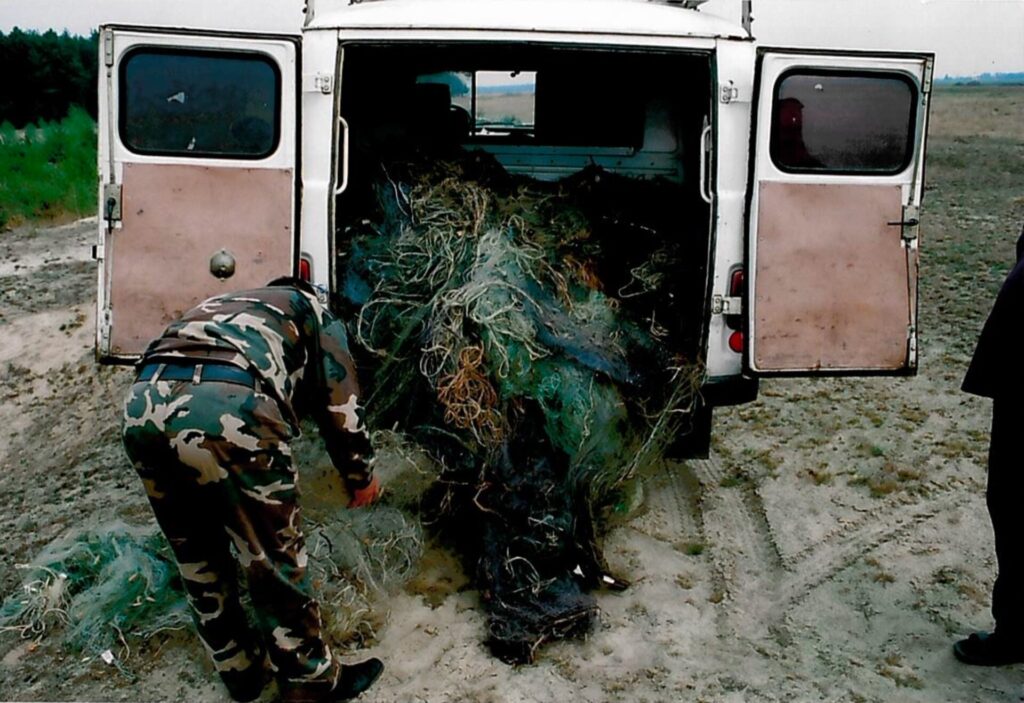
Over five years, we dismantled more than 600 illegal fish weirs on the Prypiat, Stokhid, Tsyr, and Bystrytsia rivers.
This was not easy work, but it produced quick and visible results. The current was restored, and the water began to move more freely. Where weirs had previously stood, the river seemed to come back to life. I often describe it figuratively: the river began to breathe again. This was extremely important for the park area, because the rivers are the foundation of the entire Polissia ecosystem. Their condition determines the wellbeing of fish, birds, and all wetland nature which relies upon them.
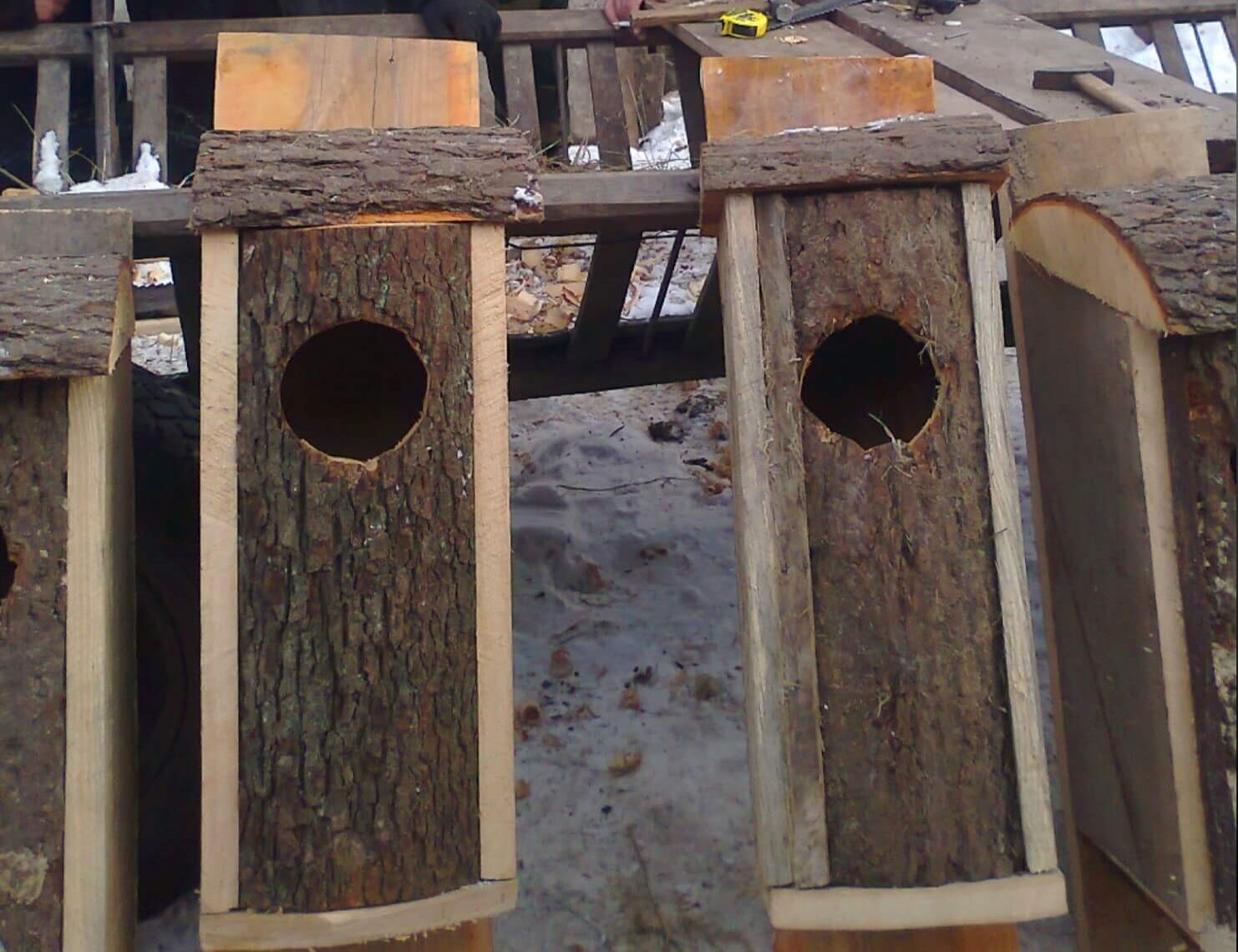
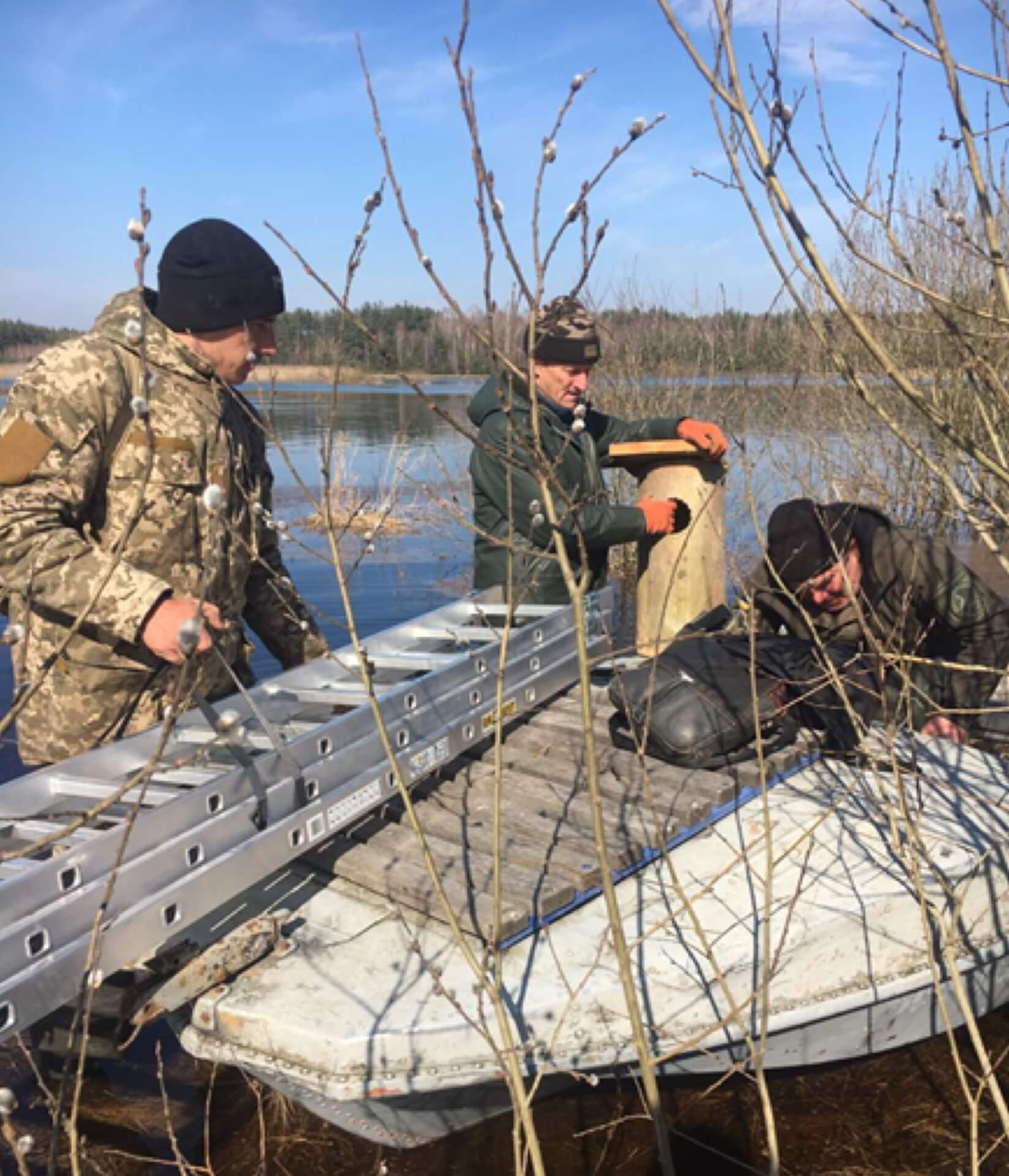
In addition to restoring the rivers, there was another program that continues to this day — installing artificial nesting boxes for goldeneye ducks.
This is a Red Data Book species of waterfowl that nests in tree cavities. But natural cavities in floodplain forests are often lacking (also due to humans removing trees), so the birds needed a boost.
We began installing special nesting boxes — they similar to a large birdhouse, but about twice the size of ordinary ones. We started with 53 goldeneye nest boxes. They were placed in locations that ornithologists identified as the most promising. In this way, it was possible to significantly increase the population, and the program continues today.
I recall the years of cooperation with FZS and communication with Wolfgang with great fondness— everything was clear, fair, and accessible.
We started almost from scratch, but thanks to the support of the Frankfurt Zoological Society and Wolfgang Fremuth, it was possible to establish the basic park infrastructure needed, such as the office and administration, as well as the territorial protection service, and the necessary equipment.
We saw the changes with our own eyes. The rivers began to recover. New habitats appeared for fish and waterfowl. Such things may seem simple, but in fact they are important and have a very long-term effect. When a river returns to its natural state, it revives the life of the entire surrounding ecosystem.
This is the second story in the series dedicated to the 25th anniversary of FZS in Ukraine. You can read the first story at the following link:
#1 Прип’ять, гоголі та загати, — як почалась діяльність ФЗТ в Україні