#5 A Shift Toward the Carpathians: Why FZS Suspended Its Work in Polissia in 2013
25 stories of memories for the 25th anniversary of the Frankfurt Zoological Society in Ukraine. We spoke with people who were there at the beginning of the organisation’s work in Ukraine and implemented its first projects together with FZS.
In the fifth story, it is time to explain how the Frankfurt Zoological Society began its work in the Ukrainian Carpathians. Michael Brombacher, who has headed the Europe Department of FZS since 2011, recalls large-scale logging in Romania, the temporary suspension of work in Polissia, and FZS’s strategic goal in Europe.
I took over as Head of the Europe Department of the Frankfurt Zoological Society in 2011. That was when I first came to Ukraine.
Together with Mykola Kliestov from the Kyiv Sozological Center, we visited Nyzhniosulskyi National Nature Park and Mizhrychynskyi Regional Landscape Park. It was my first introduction to Ukraine and to the work of our FZS team in Polissia. At the same time, I took a difficult and radical step — I suspended FZS activities in Polissia. This is a very valuable area in terms of biodiversity, but at that time it did not face the same threats of forest loss as the Carpathians.
I was aware of the large-scale logging in Romania — I had seen its consequences with my own eyes. Around the same time, I heard about the opening of a timber-processing company in Ivano-Frankivsk Oblast with a questionable reputation. This raised concerns because there was a risk that the Romanian scenario could be repeated in the Ukrainian Carpathians.
We suspended our cooperation with the Kyiv Sozological Center and began working in the Carpathians through other Ukrainian partners — the Ukrainian Society for the Protection of Birds, which cooperates with BirdLife International.
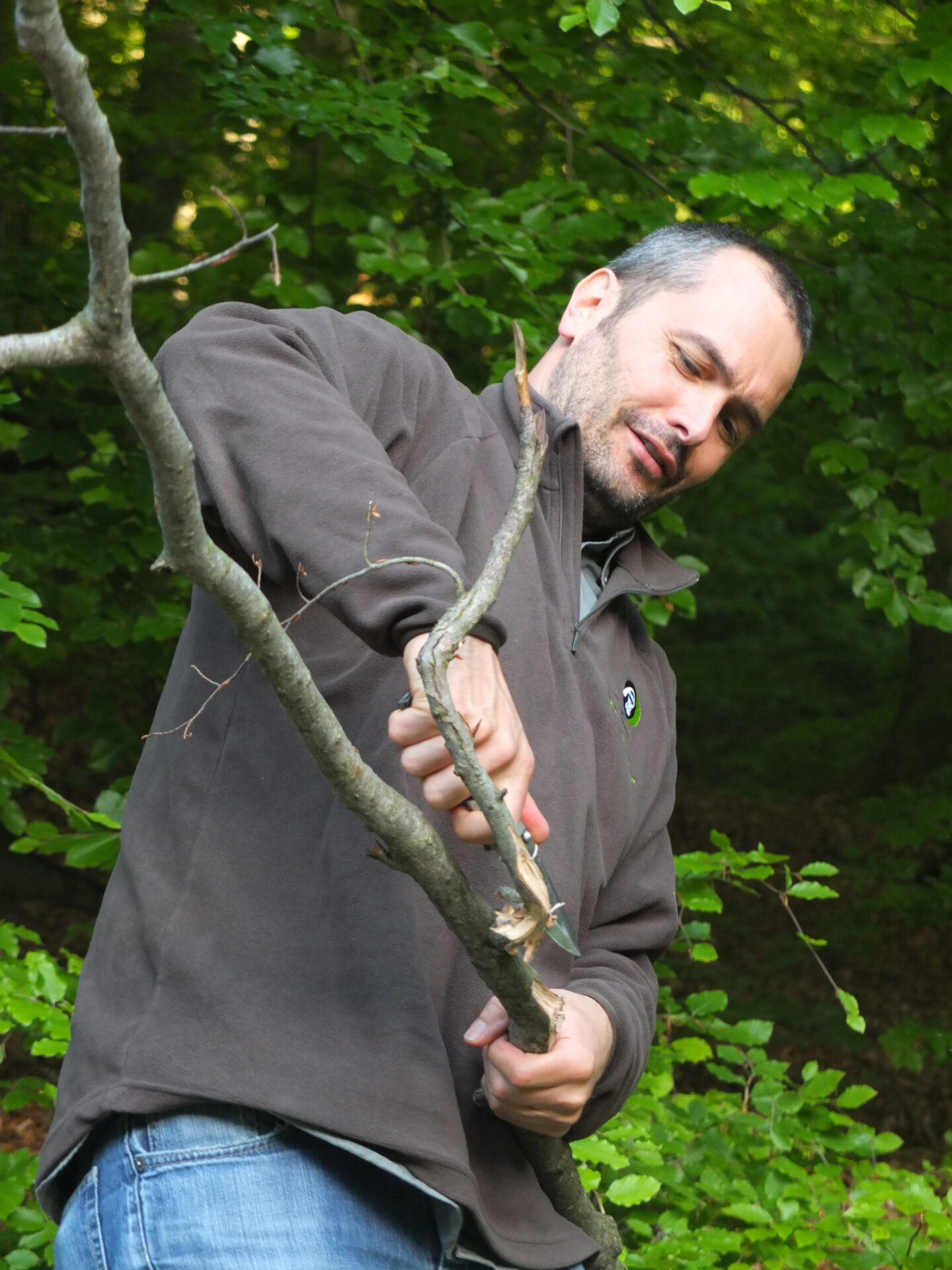
Expanding protected areas was a strategic goal for FZS in Europe.
At the same time, it was obvious that the infrastructure of most parks was so poor that we could not simply commission scientists to prepare scientific justifications for new maps for expansion. If the territories became larger, how would the parks be able to ensure effective conservation management and maintain them if they were already struggling with their existing areas?
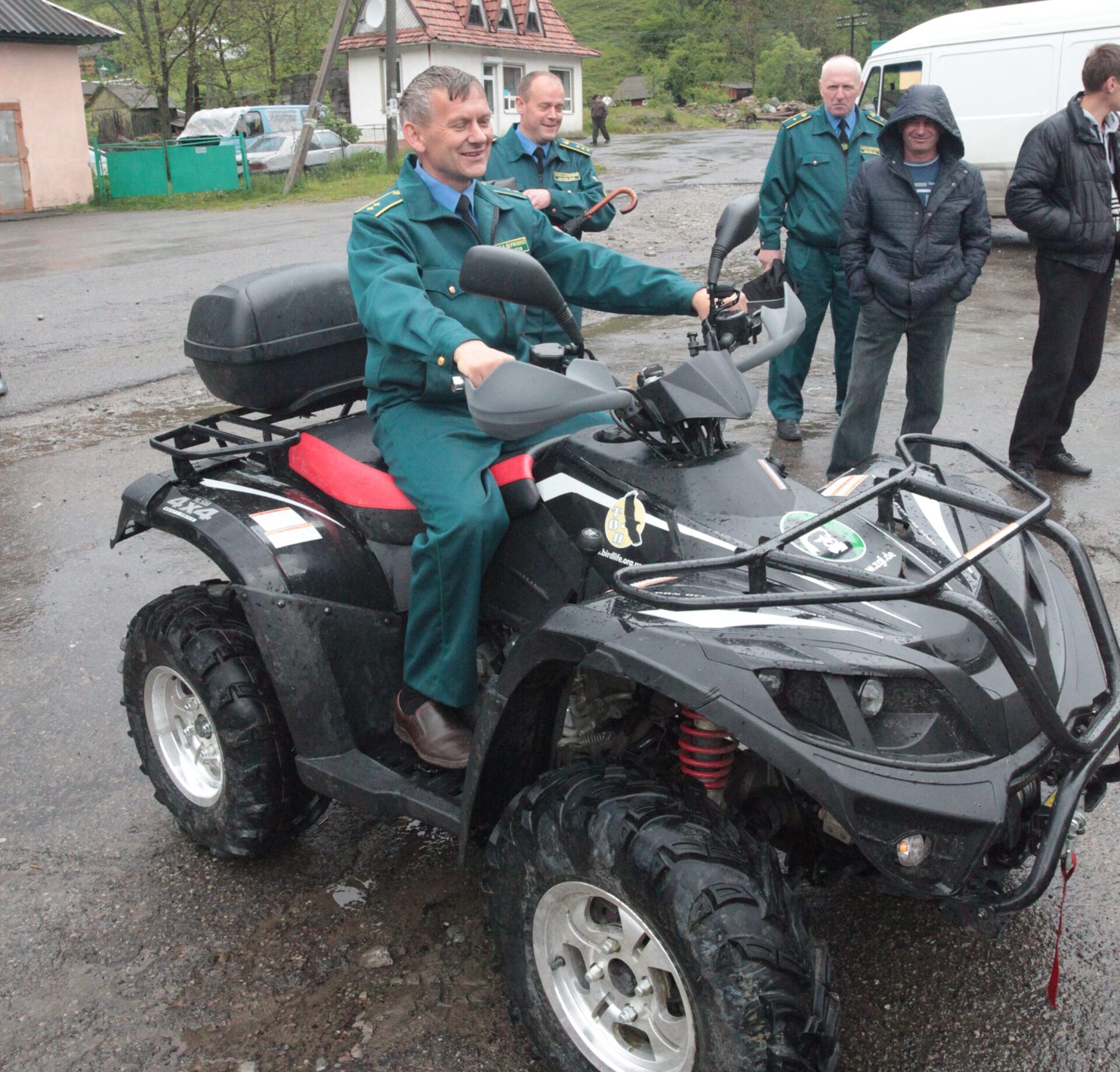
We needed to show national parks and nature reserves that they now had a reliable partner. So in 2013, we began providing technical support: vehicles, quad bikes and uniforms. All of this was purchased with FZS funding.
At the same time, the “Support to Nature Protected Areas in Ukraine” (SNPA) project was being implemented. It complemented FZS’s strategy and was financed by the German government. Our team was responsible for its implementation.
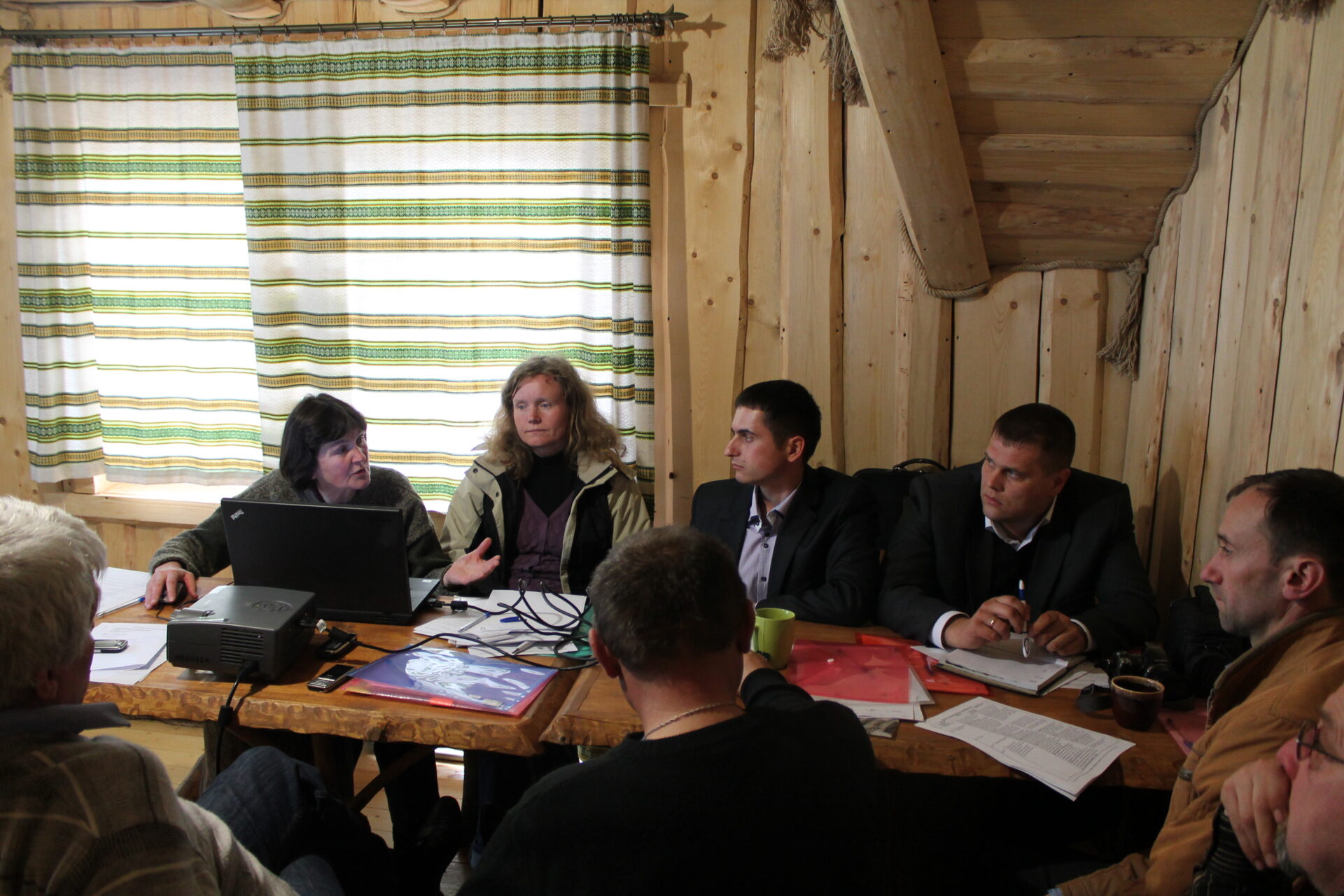
In 2014, we organised a large introductory meeting with the directors of many Carpathian national parks and nature reserves in Mykulychyn. The aim was to understand whether there was potential to expand the boundaries of protected areas and protected forests. Everyone confirmed: “Yes, there is potential; we even have plans.” I said then: “Great, get those plans out of the drawers.” After all, when Verkhovyna National Park was established, there had already been a plan to protect a larger area than was ultimately possible. I wanted to return to the issue of expansion, finance the work of scientists, and advocate for it at the national level.
This was how the “Conservation of Carpathian Primeval Forests” initiative began.
To protect primeval forests outside protected areas, we first had to identify them. We were interested not simply in increasing the area, but in bringing the most valuable forests under protection — forests with old trees and no or almost no signs of human activity. Using a methodology specially developed by our colleagues at WWF, we collected data in every region of the Carpathians and mapped it. Later, we also contributed to giving this methodology legal status. The work focused mainly on areas outside national parks — in particular, Uzhanskyi, Zacharovanyi Krai, Verkhovynskyi, Vyzhnytskyi, Synevyr, Skole Beskids, Hutsulshchyna, Cheremoskyi and Carpathian national parks. The Carpathian Biosphere Reserve, however, was expanded as part of the SNPA project.
Later, by combining these data with WWF’s work, we created a map of the primeval forests of the Ukrainian Carpathians.
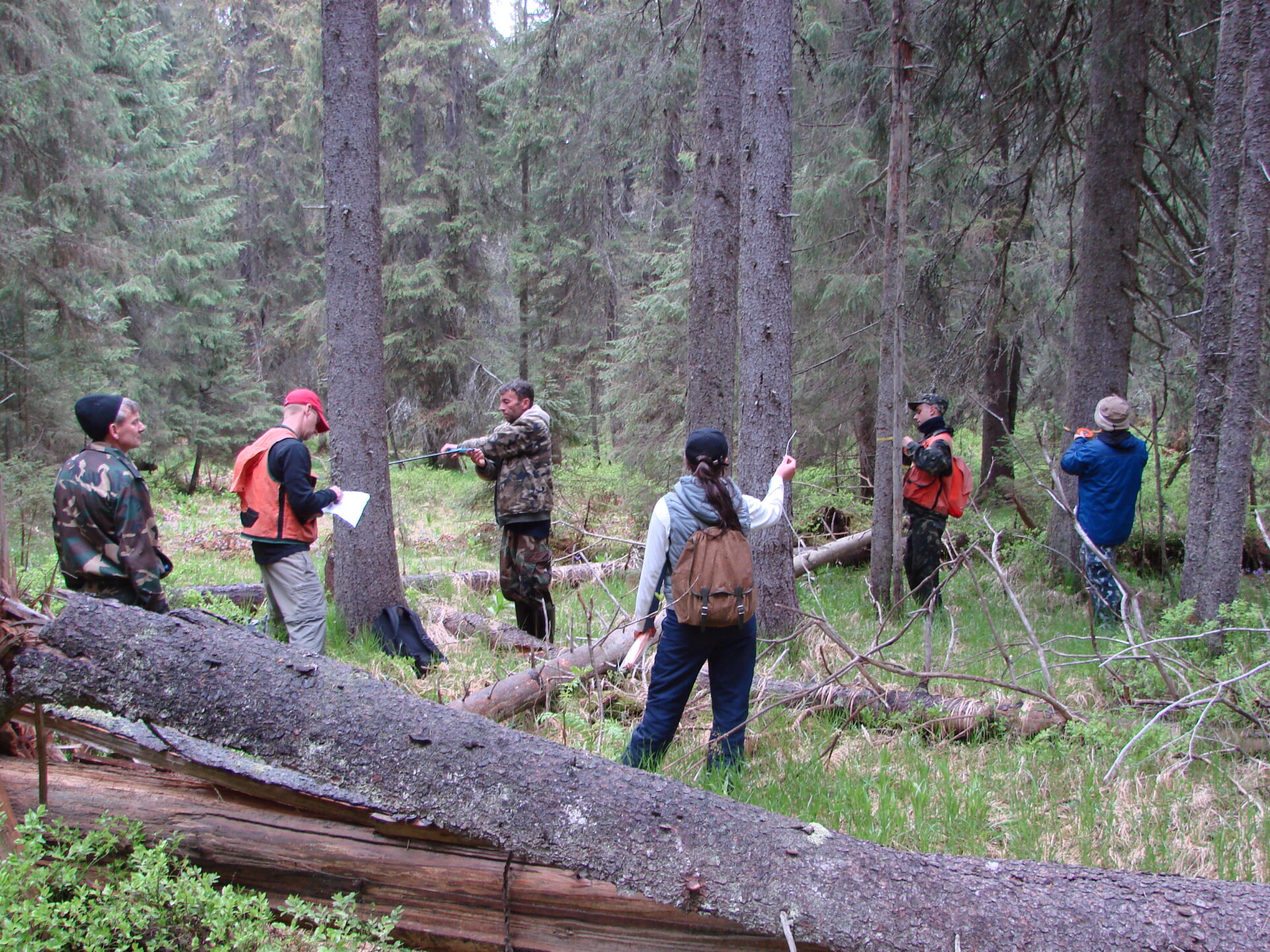
However, forests and trees are not everything. It is important to understand how other species use these trees. At that point, Oleksandr Kyseliuk from Carpathian National Park suggested: “What about studying bats?” This was not the result of strategic planning, but we liked the idea because bats are one of the indicators of old-growth forests. So, in addition to forest inventories, we began studying bats that depend on old-growth trees.
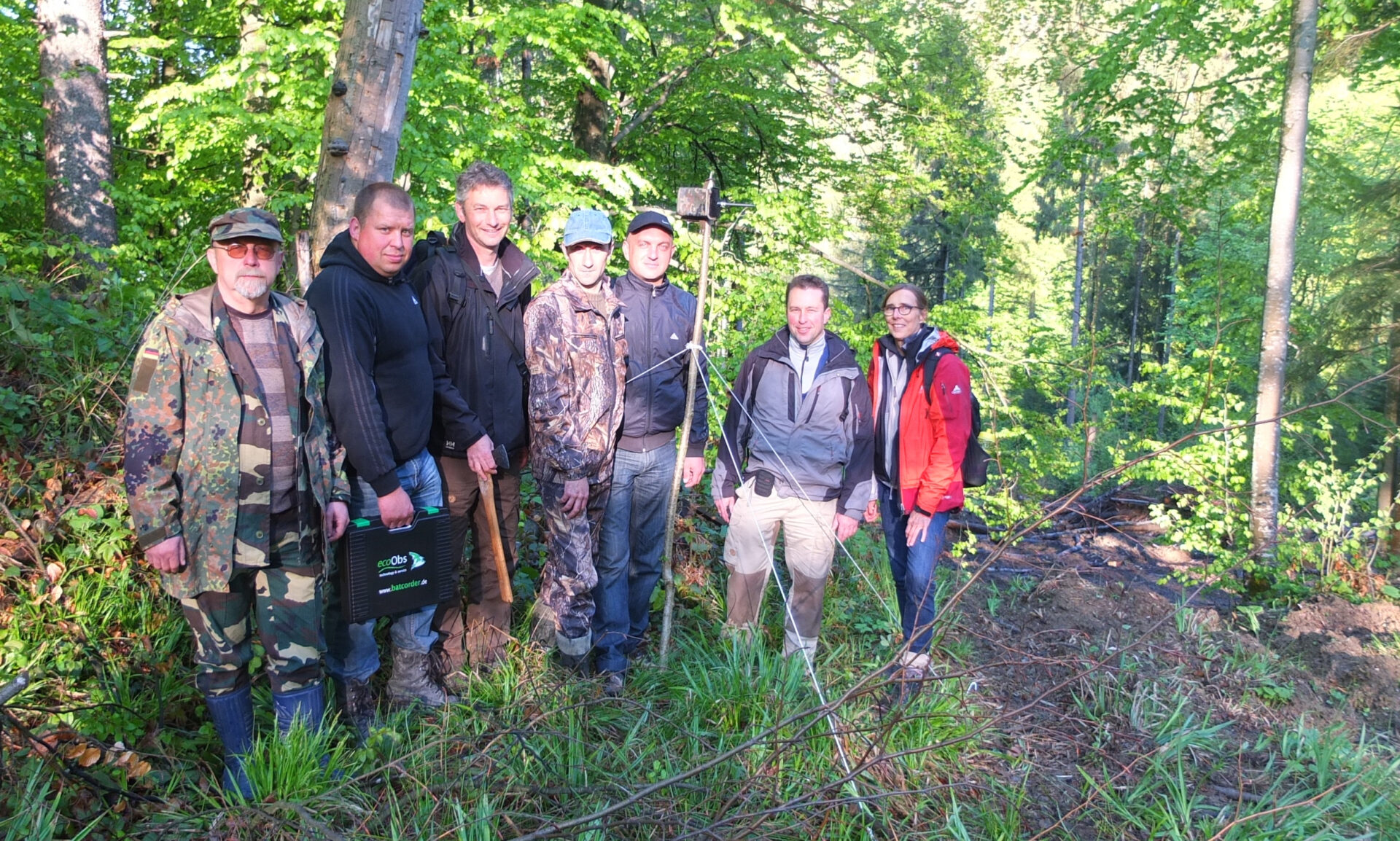
We invited an expert we work with in Germany — one of the most respected specialists in primeval forests and bats.
We were probably the first to bring batcorders (BAT detectors) to Ukraine — devices for recording bats’ ultrasonic signals and subsequently analysing them. We purchased seven of these devices — extremely expensive equipment — and trained national park staff to use them and to collect and analyse data.
We also used mist netting. Bats are caught in the net and then carefully removed for examination: their species is identified, measurements are taken, and their sex and condition are assessed. The animals are then immediately released back into the wild.
It was also important for us to bring biodiversity research to a systematic level. Our colleagues from WWF began installing camera traps in Carpathian institutions, and over the following years we scaled up this approach by purchasing several hundred more devices.
What impressed me most during my first trip to the Carpathians?
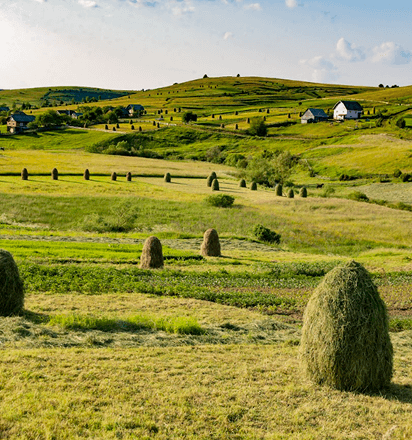
First, the nature. In the mountainous regions of Germany, forest areas are usually clearly divided into sections with different boundaries: spruce here, beech there. In contrast, when you stand on a mountain peak in the Carpathians, you see continuous forests stretching to the horizon without sharp boundaries. These are huge, almost endless areas, many of which are natural and relatively undisturbed.
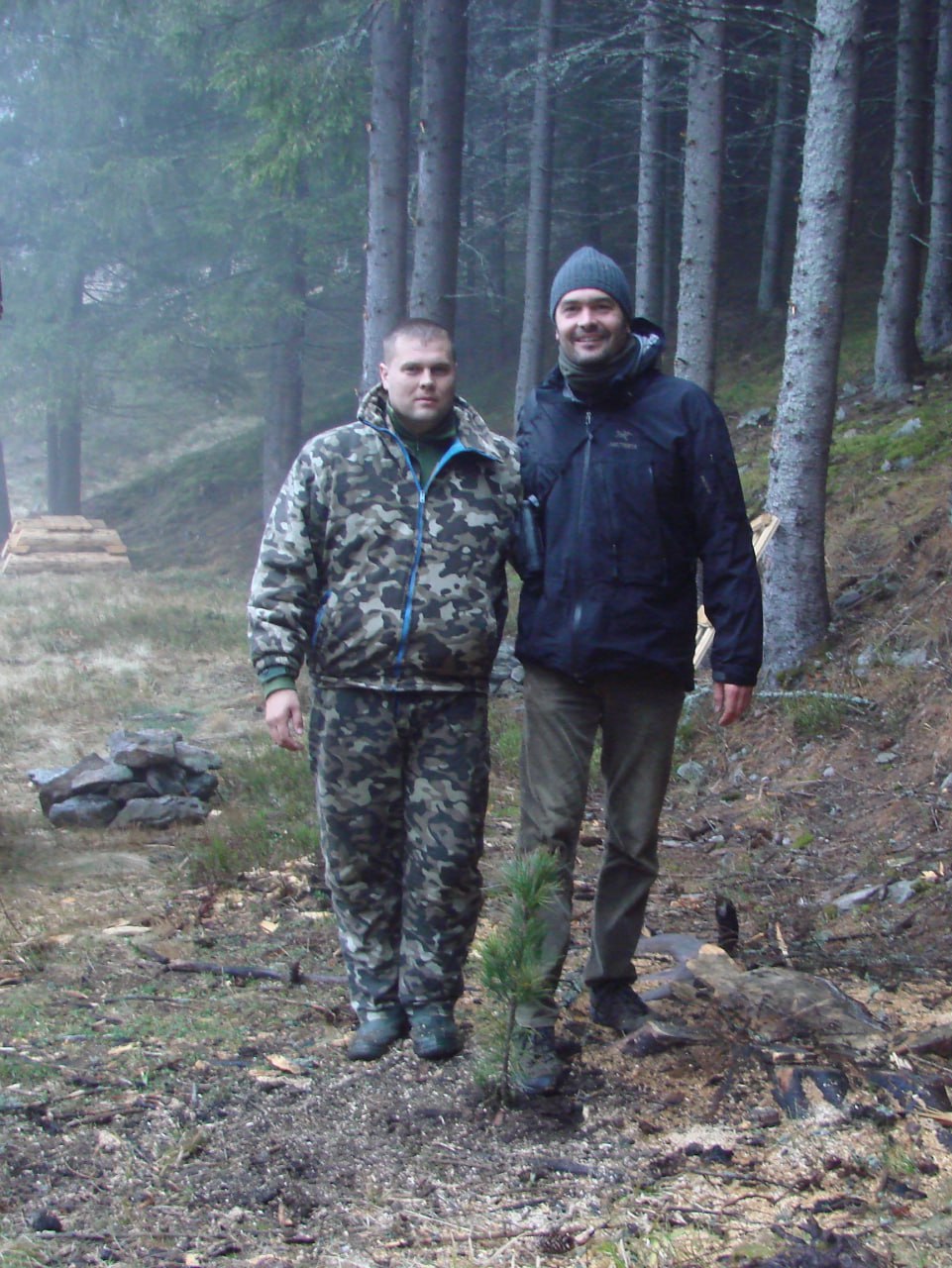
Second, the people. In Verkhovynskyi National Park, I met a ranger named Serhii Petrovych. He works on a rotational basis — spending two weeks at a time in one of the most remote parts of the Carpathians. He never had a high salary, and the work is difficult. But his dedication and genuine love for what he does made a strong impression on me. I have great respect for people who do their work with such love.
This is the fifth story for the 25th anniversary of FZS in Ukraine. Read the first stories at the links below:
#1 Prypiat, Goldeneye ducks, and Fish Weirs — How FZS’s Work Began in Ukraine.
#2 How the Prypiat River Was Freed from Illegal Fish Weirs.
#3 Explore all of mountainous Crimea: the project that introduced Ukraine’s vultures to Europe
#4 How the Foundation for Bison Research Was Laid in Volyn