#9 Vehicles, Motorcycles and Uniforms: FZS’s Experience in Strengthening the Work of National Parks
25 stories of memories for the 25th anniversary of the Frankfurt Zoological Society in Ukraine. We spoke with people who were there at the beginning of the organisation’s work in Ukraine and implemented its first projects together with FZS.
Why did national park rangers use their own vehicles for work and buy their own uniforms? How does quality equipment help not only people do their jobs better, but also strengthen the authority of park staff? And why did protected areas need their own garage? Michael Brombacher, who has headed the Europe Department of FZS since 2011, tells the story.
During Viktor Yushchenko’s presidency, many new national parks were established in Ukraine within a relatively short period.
This was an important step for nature conservation, but limited funding meant that the new institutions did not always have everything they needed to operate. Parks had to improvise, while their employees had to rely on their own resources.
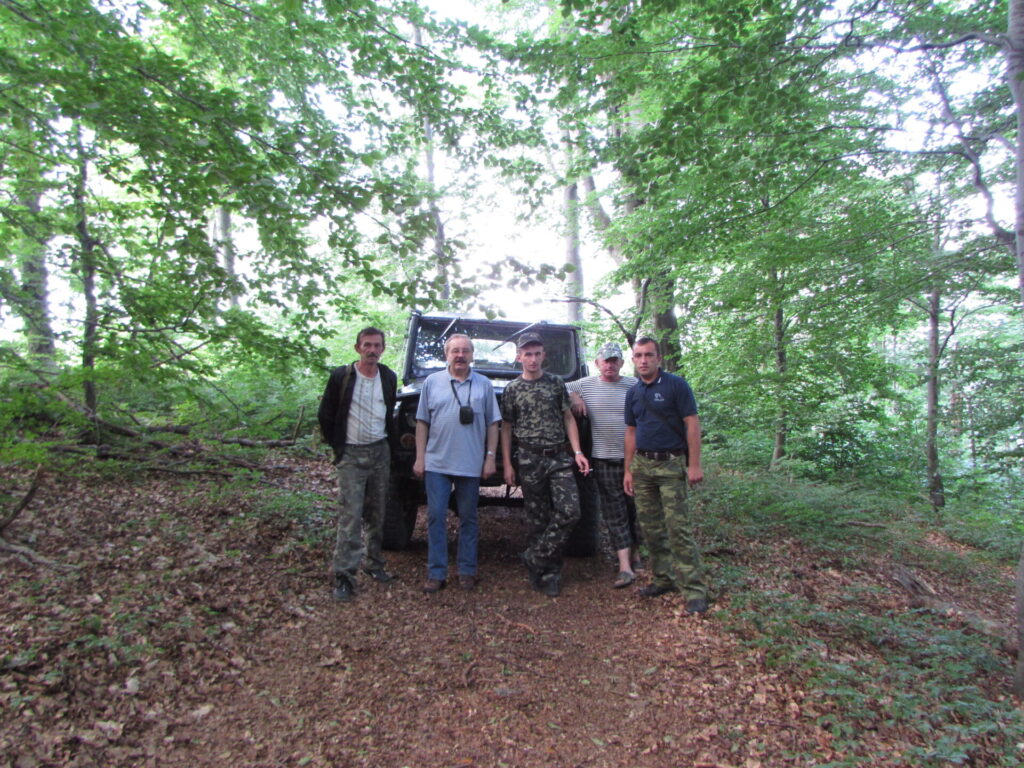
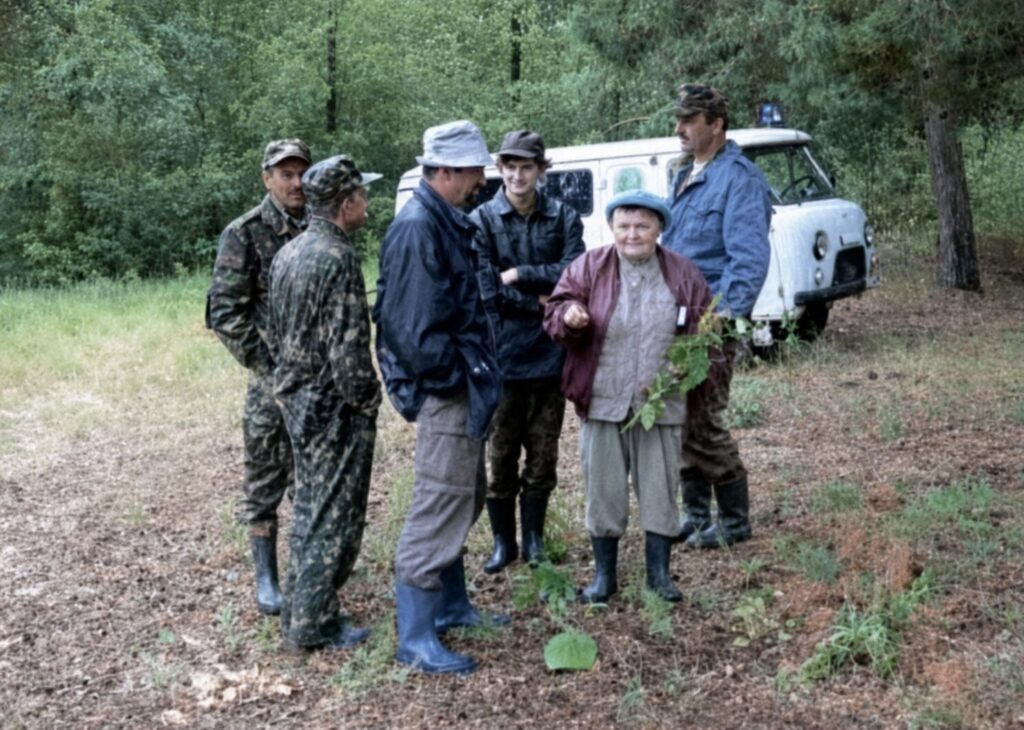
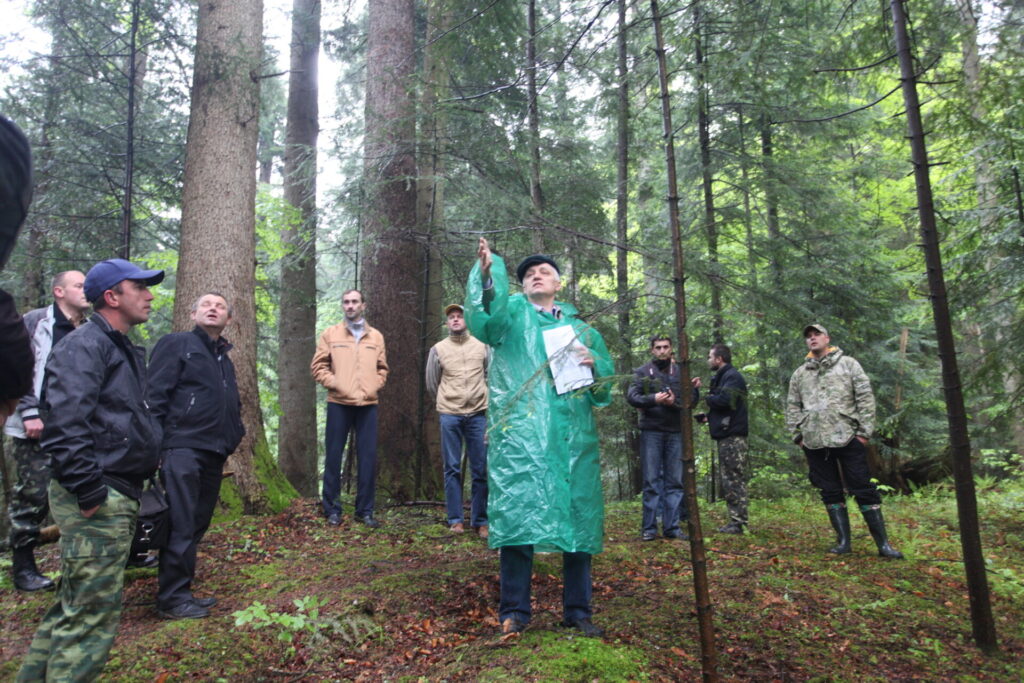
During one of my first trips to Ukrainian national parks, I heard that rangers and other employees were using private vehicles for work. Some also bought their own uniforms. I was somewhat shocked by this. Salaries in the parks were already low, so why should people protecting nature also have to spend their own money on this?
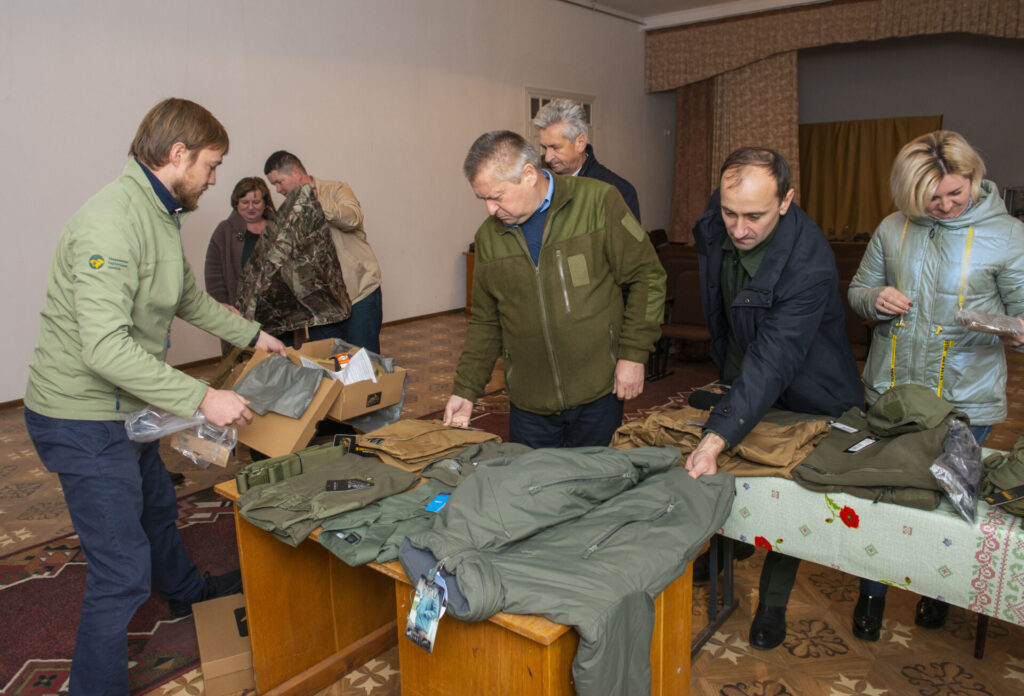
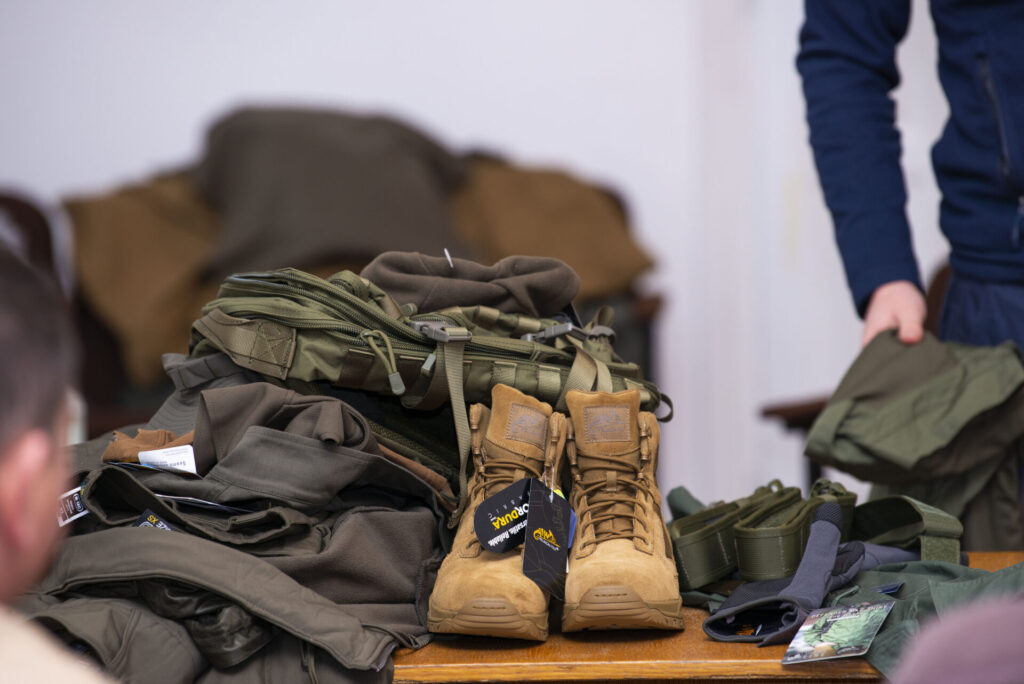
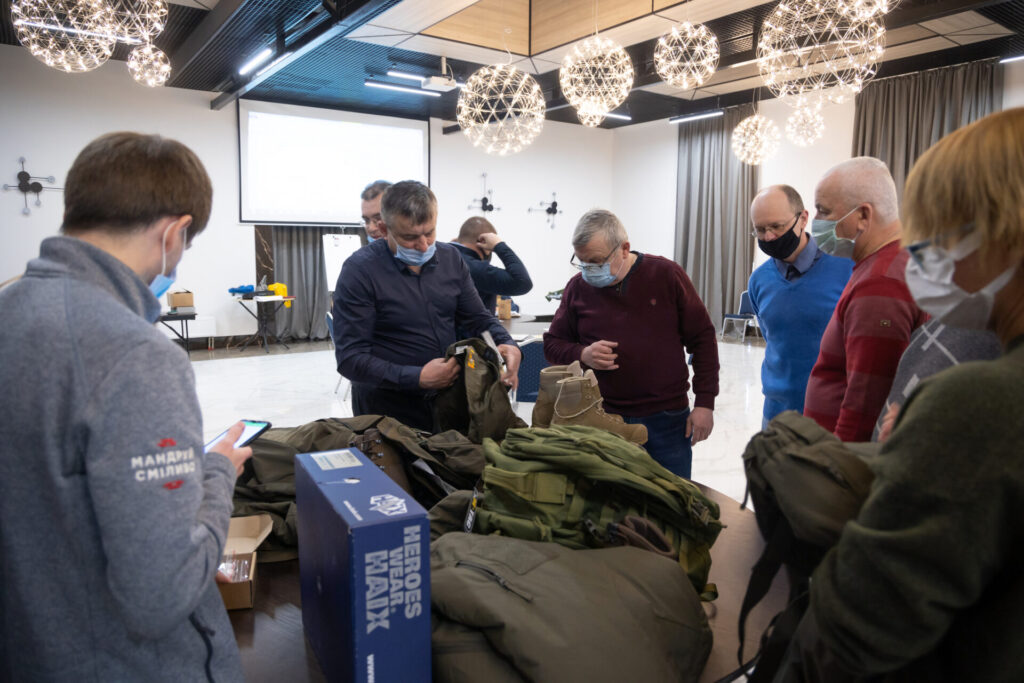
That is why we initially focused on basic needs: purchasing equipment, vehicles and motorcycles, and later sets of uniforms. When the SNPA project was launched, we were able to purchase more equipment for a larger number of protected areas.
We started with relatively small quantities, but even then it was clear how strongly such support could affect the parks’ day-to-day work. We took a practical approach to choosing uniforms. We did not need unnecessarily expensive items, but they had to be high-quality, comfortable and durable. During the tenders, we paid a lot of attention to materials: we checked the fabrics, touched them, and looked at how suitable they were for working in different conditions. An expert from the Gorgany outdoor equipment store was also involved in the process and helped us with technical advice.
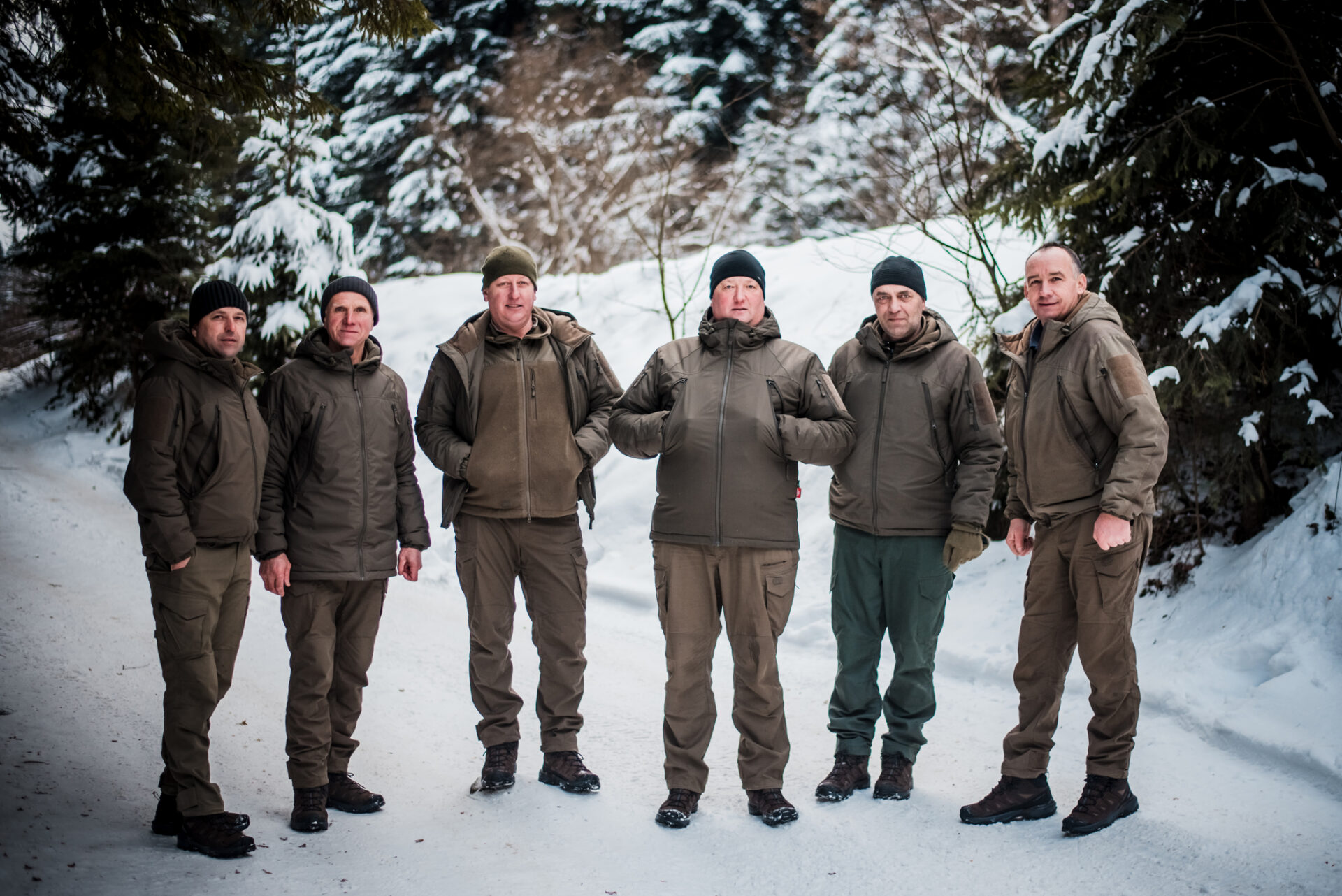
Overall, within the SNPA project, we were able to purchase 1,000 sets of uniforms for rangers. But the uniforms had a practical purpose beyond that. We wanted park staff to be easily recognisable and for their equipment to reflect the importance of the work they do. After all, it is much harder to protect an area if local residents or visitors do not recognise a ranger as a representative of the protected area institution.
Previously, six rangers could have six completely different sets of clothing. Now they were wearing the same uniform, and later they were arriving in new, properly functioning vehicles. Maybe it was just my impression, but it seemed to me that there was a little more pride and confidence on their faces.
In addition to employees’ private vehicles, parks used old Soviet-made vehicles that had once been transferred from forestry enterprises. They were outdated, broke down frequently and consumed a lot of fuel. More modern and fuel-efficient vehicles would not only make the employees’ work easier, but also reduce fuel costs and the associated environmental impact.
One of the main criteria for choosing vehicles was their quality. Quality can cost more at the beginning, but a good vehicle can operate in difficult mountain conditions for 10, 15 or even 20 years. Cheaper vehicles need to be replaced sooner and require repairs more often, so in the long run they can cost a park much more.
The vehicles were purchased through an open tender. We could not choose specific brands, so we had to describe the required technical specifications very precisely: engine power, off-road capability, ground clearance, compliance with safety standards, the availability of certificates and other parameters. When all these requirements are combined in the tender documentation, the vehicles that are genuinely suitable for long-term work in difficult conditions are more likely to be selected.
The parks themselves also identified a need for motorcycles. It is not always economical to send a vehicle when only one person needs to travel somewhere. For example, a researcher may need to reach a remote area to check a camera trap. In difficult terrain, a motorcycle can be much more convenient for this. Similar transport is used in some European protected areas, so international experience and the real needs of Ukrainian parks came together here.
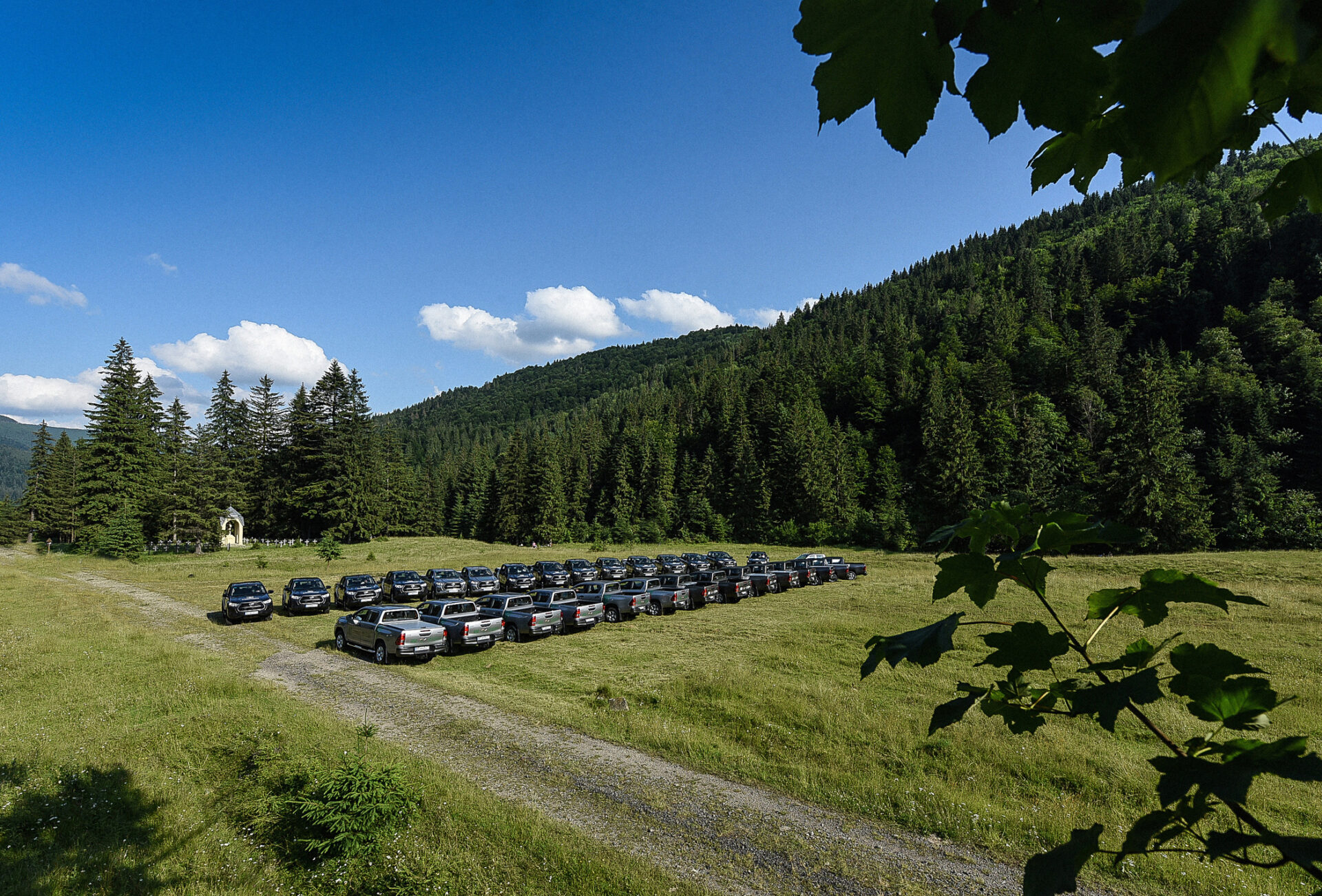
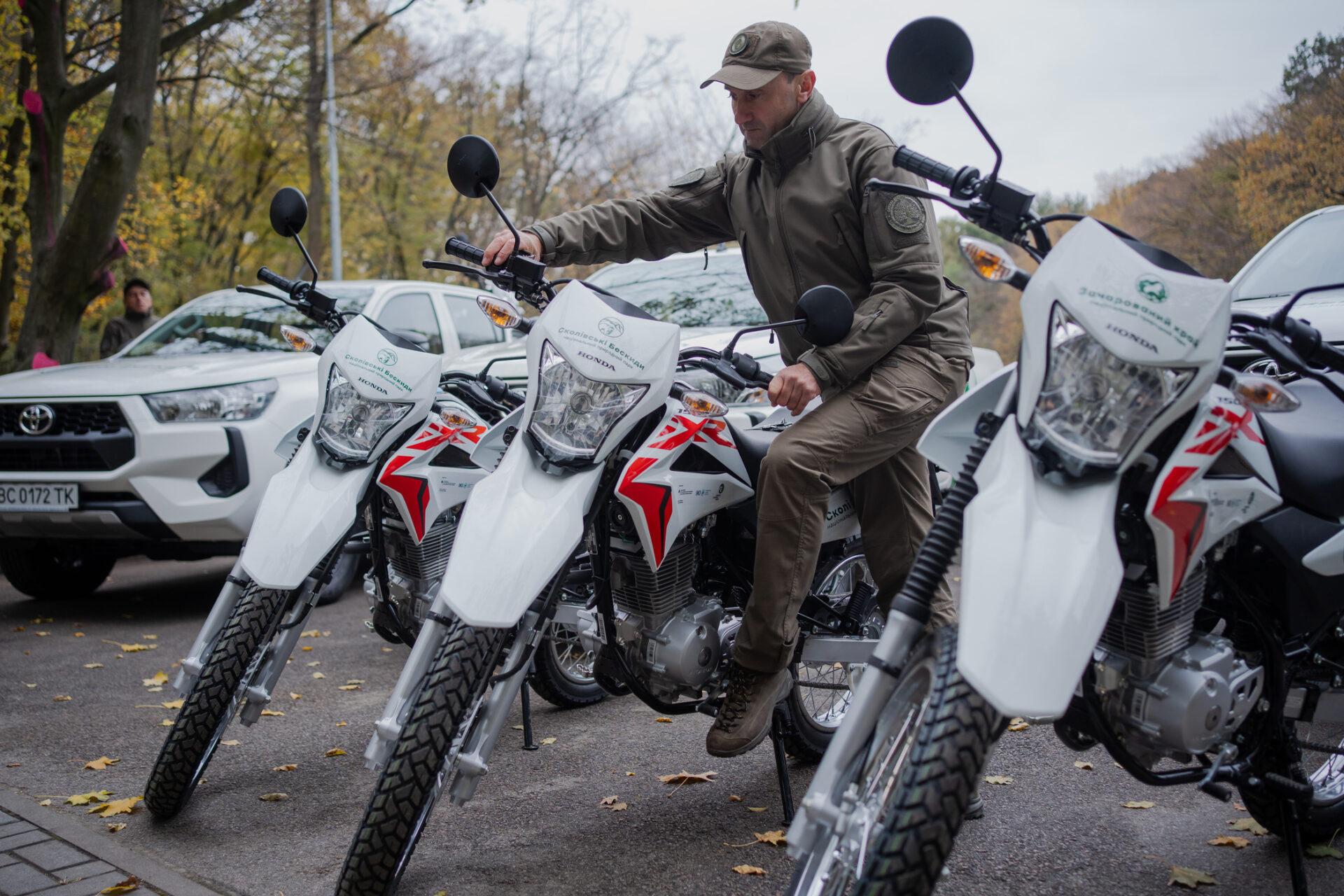
Thanks to the SNPA project, we were able to purchase 41 off-road vehicles and 71 motorcycles.
However, handing over a large number of cars and motorcycles to the parks was not enough. We also needed to think about who would service them and how. The institutions’ financial resources remained limited, and without proper repairs and quality spare parts, even good equipment would not last for decades.
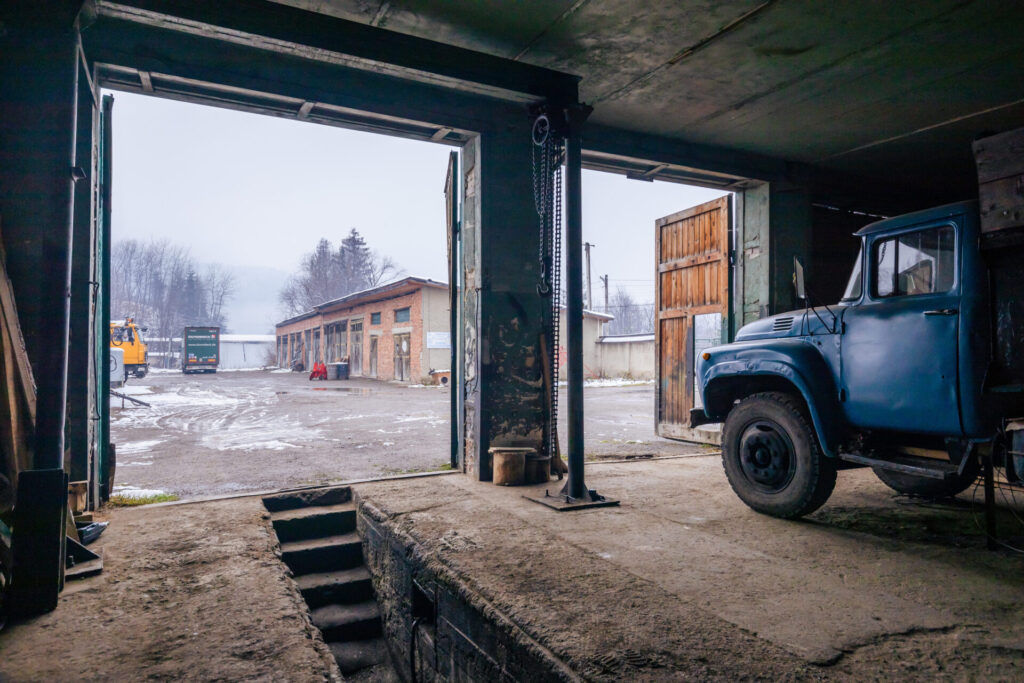
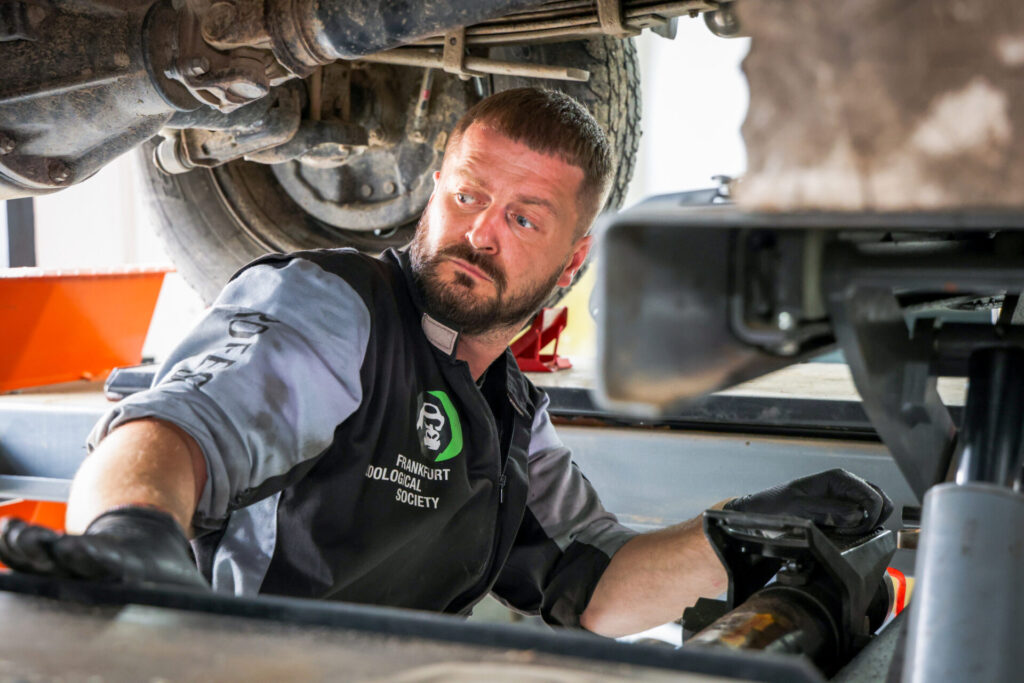
This led to the idea of creating a garage for servicing vehicles used by protected areas. FZS has similar experience in other regions as well — in particular, in the Serengeti and one of Zimbabwe’s national parks. Together with Carpathian National Nature Park, we agreed to convert one of their buildings into a garage and hire mechanics. Parks could bring their vehicles here and receive quality repairs using the appropriate spare parts. This was intended to reduce their ongoing costs and help keep the vehicles in good working condition for longer.
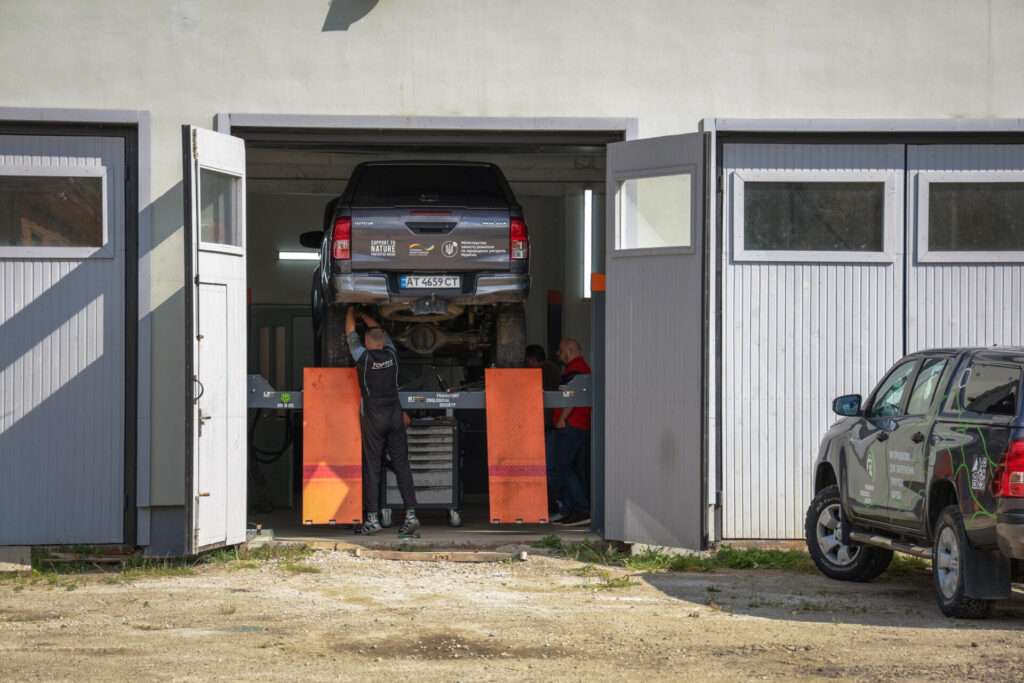
Today, we are also carefully exploring how the existing system of area protection can gradually be made more effective.
New technologies, including drones, can complement the work of rangers and help survey remote areas without unnecessary travel, noise and emissions. In the long term, this could help allocate resources more effectively, strengthen professional training, create conditions for decent pay, and make the ranger profession more attractive to young people and women. For now, this is an area whose potential we are only beginning to assess.
This is the ninth story for the 25th anniversary of FZS in Ukraine. Read the first stories at the links below:
#1 Prypiat, Goldeneye ducks, and Fish Weirs — How FZS’s Work Began in Ukraine.
#3 Explore all of mountainous Crimea: the project that introduced Ukraine’s vultures to Europe
#5 A Shift Toward the Carpathians: Why FZS Suspended Its Work in Polissia in 2013
#6 Pickups, Uniforms and Management Plans: How Two German Projects Transformed 13 Parks
#7 How Carpathian National Parks Were Expanded by 40,000 Hectares