#12 “Every building has an impact on nature”: how Jan Hülsemann is rethinking national park infrastructure
25 stories and memories marking the 25th anniversary of the Frankfurt Zoological Society in Ukraine. We spoke with people who helped establish the organisation in Ukraine and worked on its first projects together with FZS Ukraine.
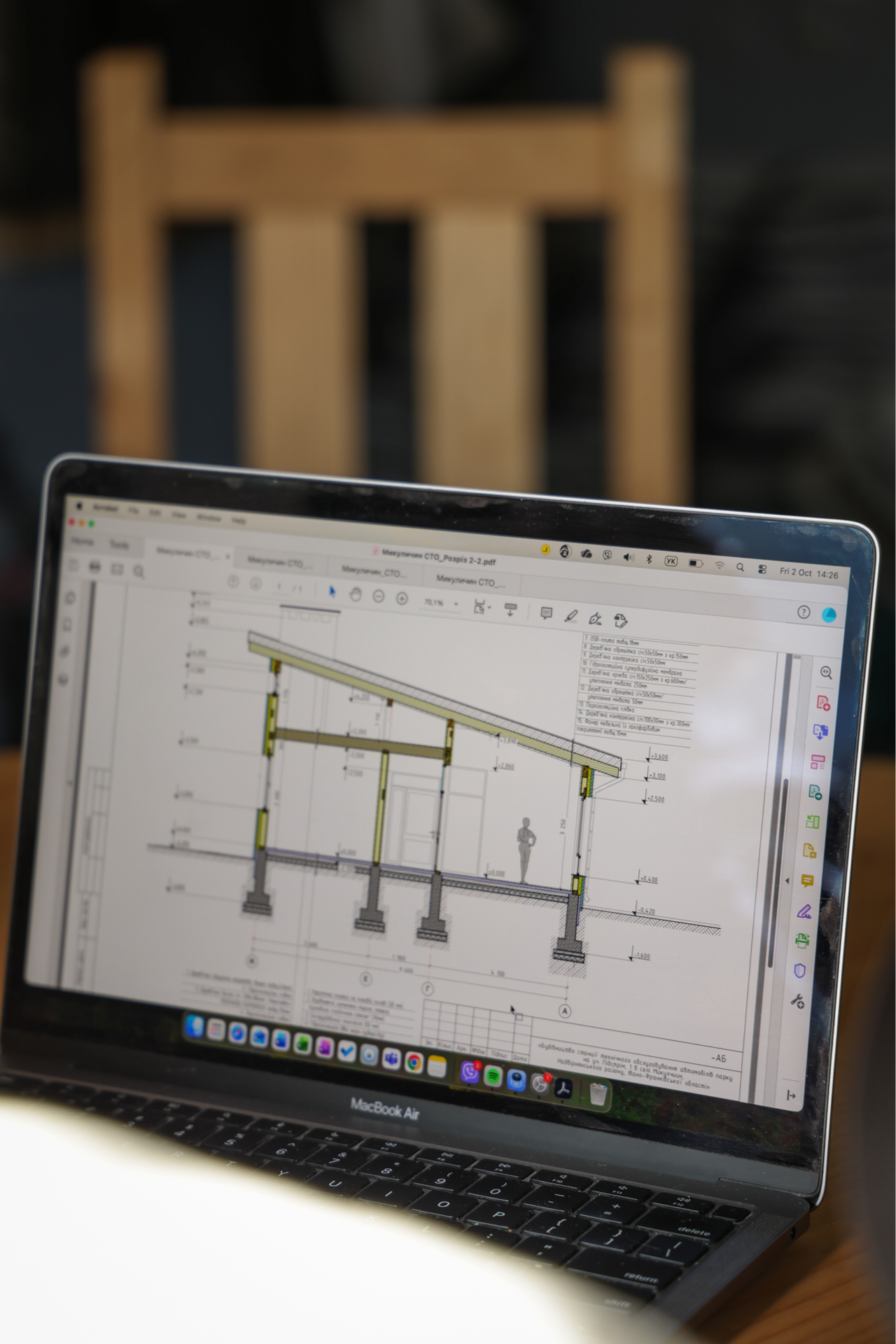
You can simply set out to restore national park infrastructure and build visitor centres and ranger stations. Or you can understand the role this architecture plays in protected areas and make sure the infrastructure reflects the work of national parks and fits into the landscape. To help develop this approach to construction, FZS Ukraine began working with German architect and sustainable construction expert Jan Hülsemann ten years ago. Jan shared his memories and first impressions of Ukraine and Ukrainian architecture, his experience working in the Carpathians, and his approach to infrastructure in protected areas.
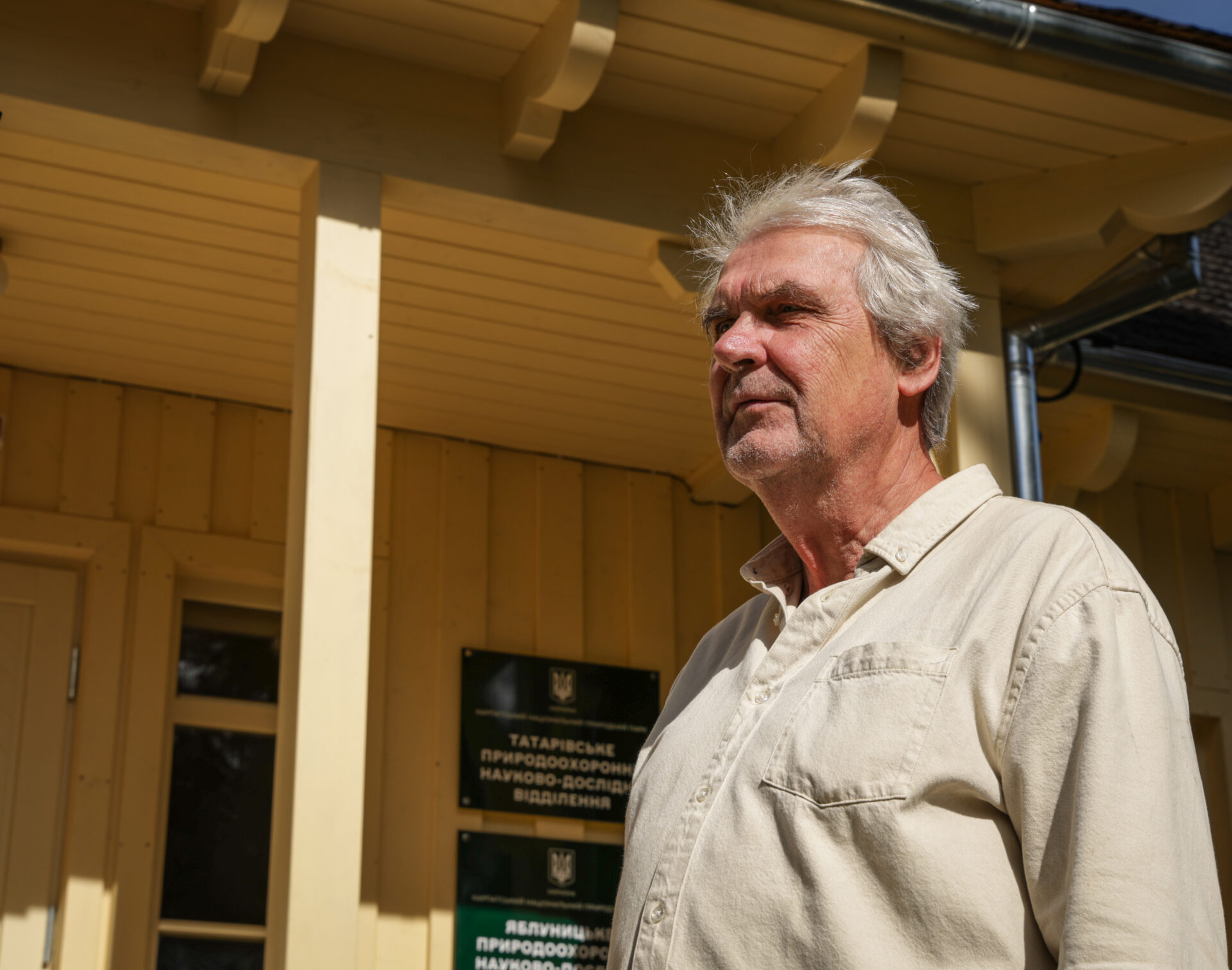
Almost ten years ago, Michael Brombacher, Director of FZS’s European Department, called me and suggested that I join the work in Ukraine.
Christoph and Barbara Promberger, co-founders and executive directors of the Foundation Conservation Carpathia (FCC), recommended me to him. At first, we spoke a lot on the phone, and then we met in Ukraine. I can’t remember the exact date now. I think it was in 2017, or perhaps 2016. But right after our meeting, I started preparing the first drawings and proposals.

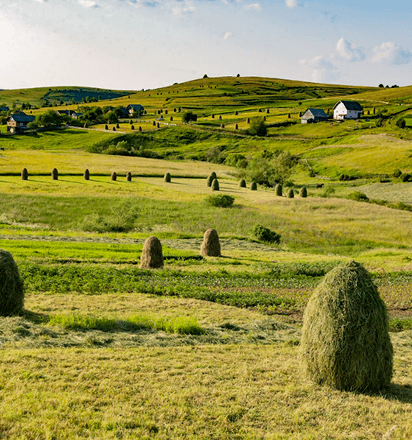
My first impression of Ukraine was how big it is.
I remember the vast open spaces, the long distances and the wide roads. But when it came to protected areas, I didn’t see very much at first. We went to Rakhiv, where I looked at the administrative buildings and was a little disappointed by their condition. Overall, my impressions of Ukrainian architecture were quite mixed. I had worked in Romania for many years, in Saxon villages where traditional architecture was very well preserved. Entire villages had remained almost unchanged. In Ukraine, very little was left of many villages. This made me sad, but at the same time, I was curious to see what was there and what could be done with it. I saw enormous potential.
Our Ukrainian colleagues needed to understand the kind of architecture we wanted to develop in their protected areas.
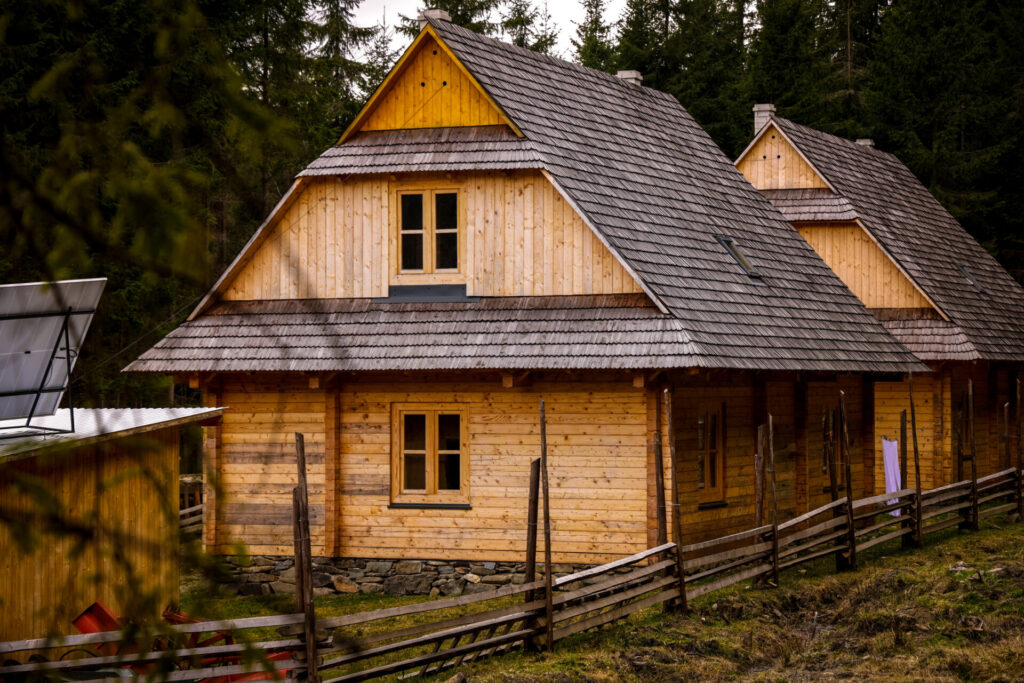
So Michael gathered the directors of all the national parks and brought them to Romania. We wanted to show them FCC’s projects and work, including COBOR (Cobor Biodiversity Farm). The focus was on using natural materials, respecting local architecture, and applying traditional construction methods and local craftsmanship.
Interestingly, during this trip I realised how different the situation in Ukraine was from that in Romania. When FCC started working in the Romanian Carpathians, there was almost no infrastructure in place. Ukraine, on the other hand, already had a long-established administrative system for protected areas, the relevant institutions and management experience. Every national park had large administrative and other buildings. Many were in poor condition, but they were there. So, in the Romanian Carpathians, we were starting almost from scratch, while in Ukraine there was already something to build on.
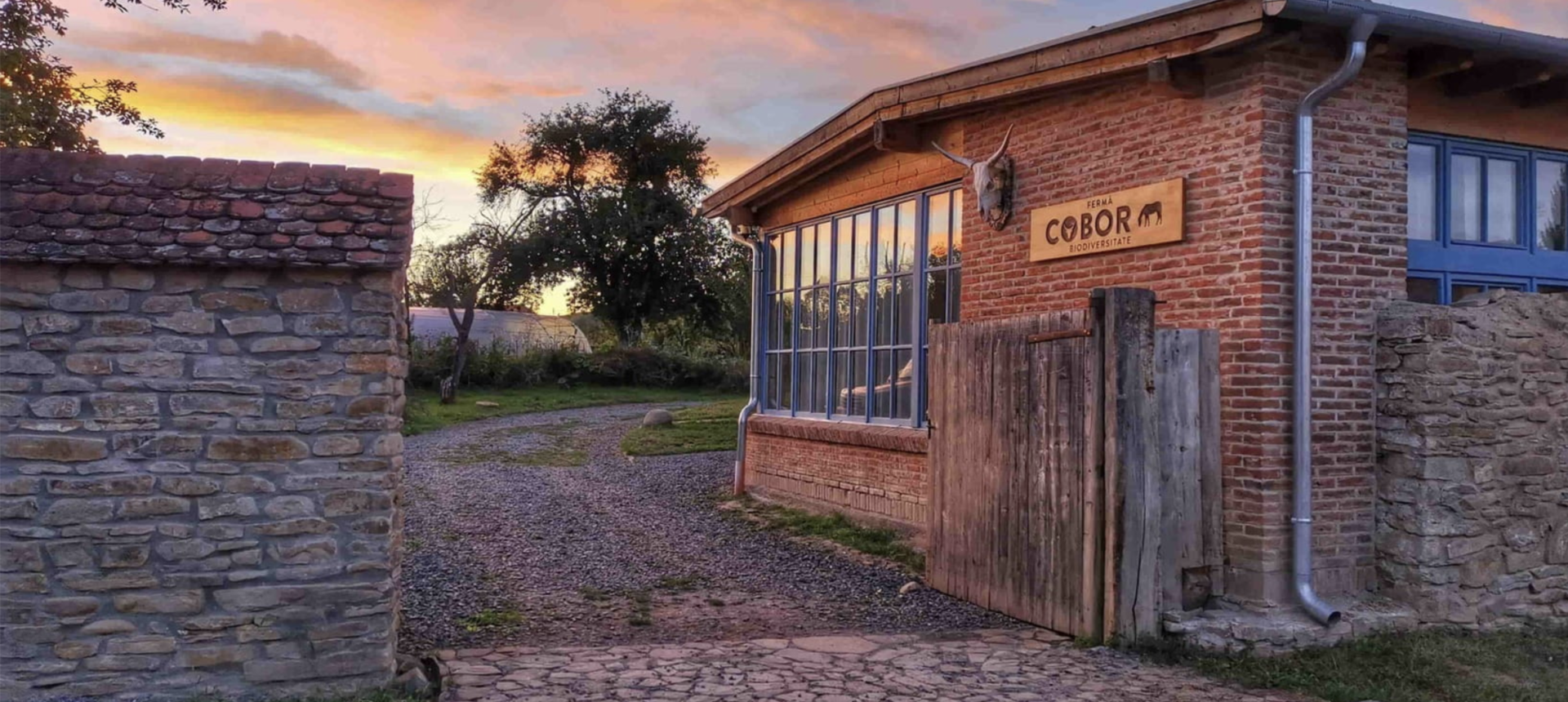
Cobor Biodiversity Farm is an environmental and conservation project in Transylvania, established to protect wildlife and develop sustainable rural tourism. In 2007, Danish philanthropist Marcus F. Jebsen bought around 500 hectares of agricultural land in the village of Cobor and the surrounding area. He also bought several houses that had been abandoned for 20 years or more and had fallen into disrepair. In 2016, Marcus transferred the land and houses to the Foundation Conservation Carpathia, which used grants to develop one of Romania’s most successful ecotourism and conservation projects.
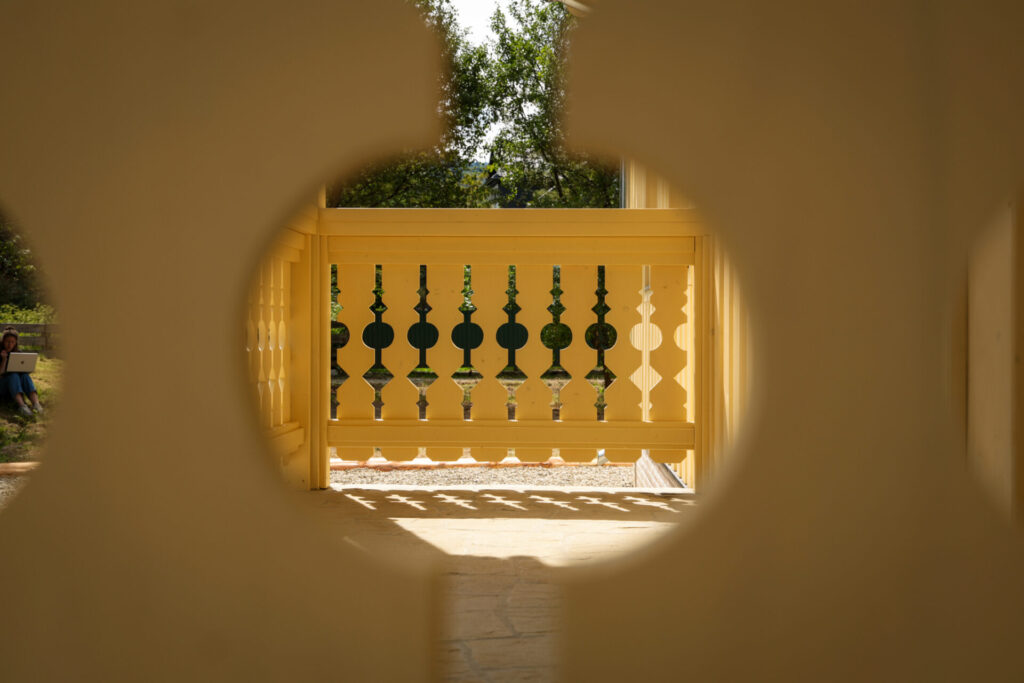
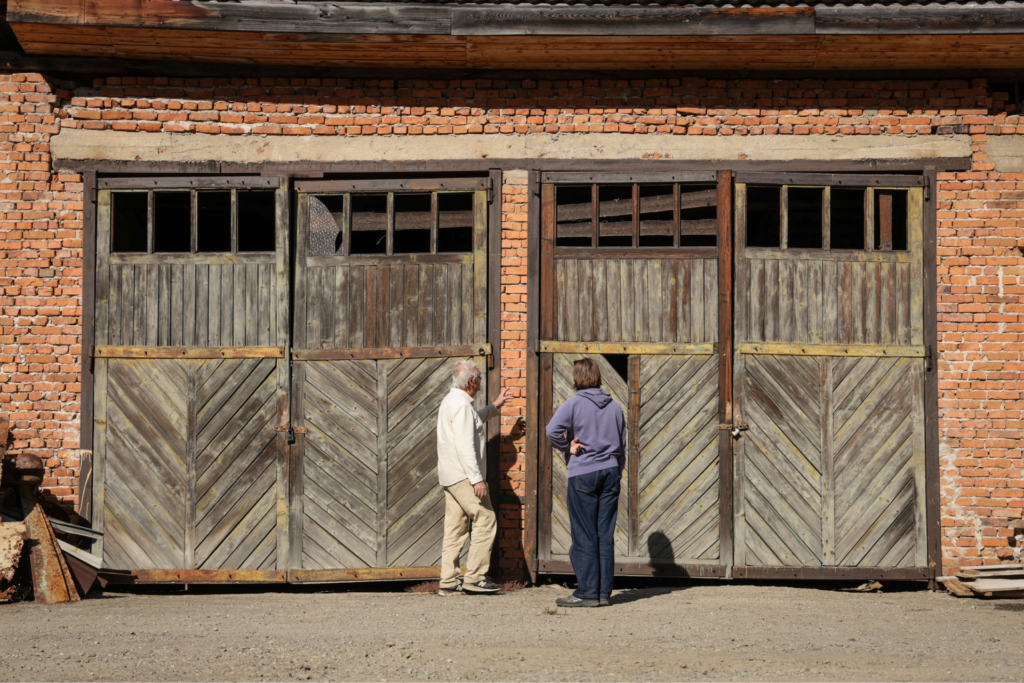
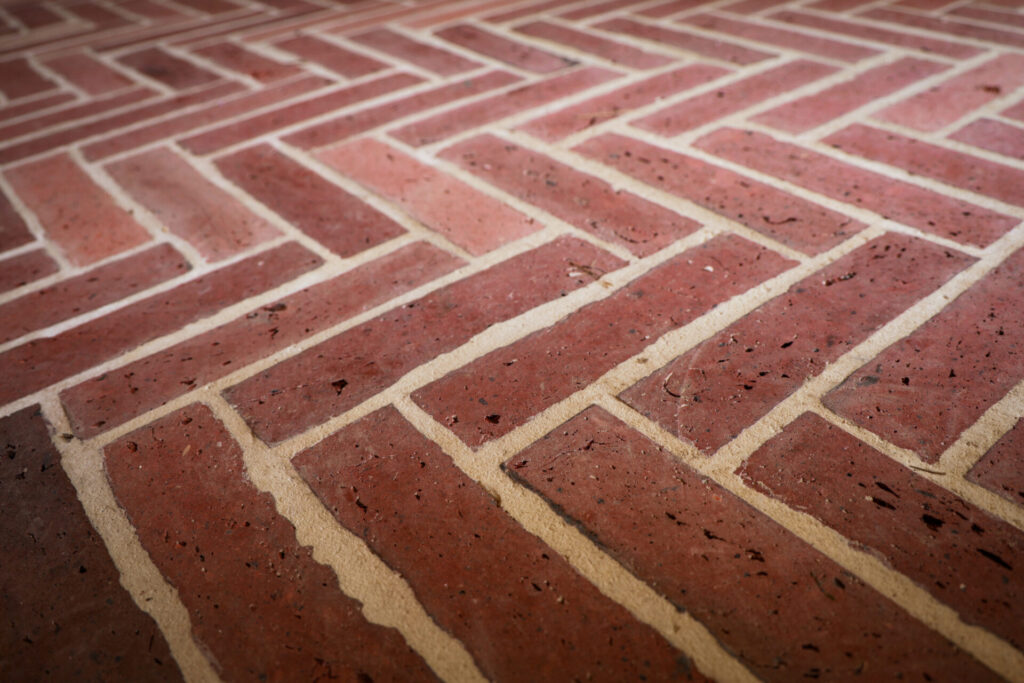
I felt that our Ukrainian colleagues saw nature conservation mainly as work carried out directly in nature:
managing protected areas, monitoring plants and animals, and protecting them. But they did not always recognise that every building also has an impact on nature. My role in Ukraine is to offer ideas and help put into practice a philosophy of climate- and nature-friendly construction.
As architects and builders, we can work with respect for nature, or we can use materials without thinking about their impact on the environment. For example, foams, composites and similar materials are often used simply because that is what people are used to doing. There is little thought about what exactly we are using. Materials, heating and the construction process itself all have an impact. They are also part of nature conservation.
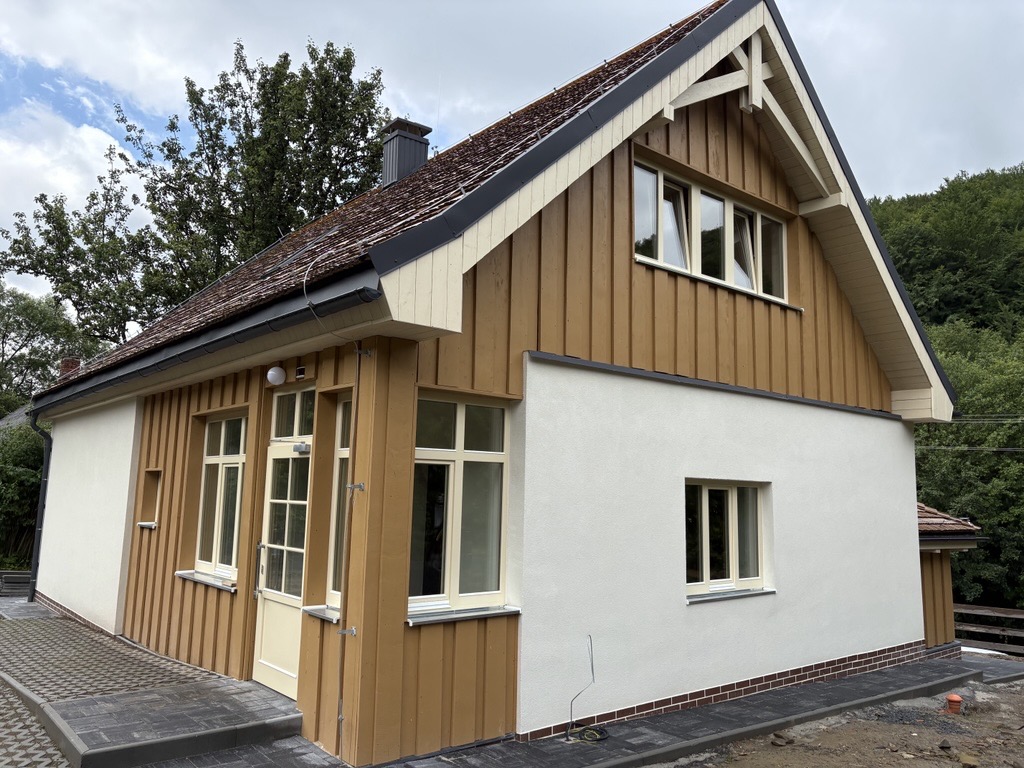
There are still not many completed projects in Ukraine that I have worked on,
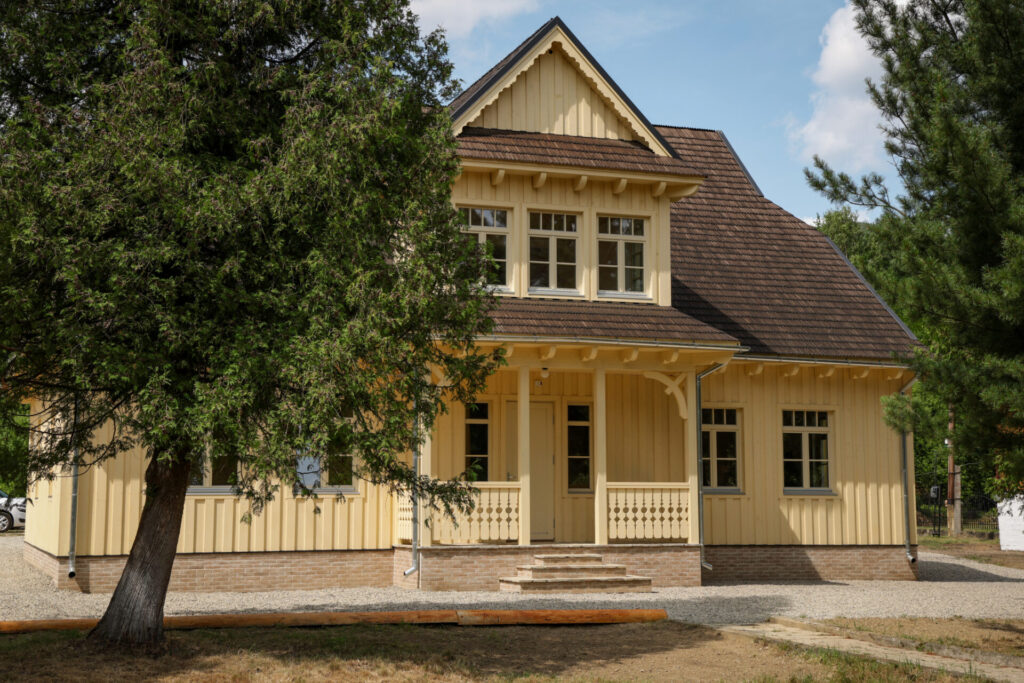
but I think my favourite is the small ranger station in Lubnia. It was a pleasant and relatively straightforward project in terms of design.
There are projects outside Ukraine that I am also fond of. One example is the environmental centre on Chumbe Island in Zanzibar. It was quite well known and also very challenging. Another is the Apáti Manor House in Romania. We are now finishing another major project for FCC: an administrative building. As far as I know, it will be the largest straw-bale building in South-Eastern Europe.
There is one aspect of working in Ukraine that I don’t encounter in my other projects.
It is the war, which makes it very difficult to travel here. At the same time, in Germany I feel a great deal of respect for the way Ukrainian society holds on and continues to work. I bring this feeling with me every time I come to Ukraine.
I think this also affects the way I work here. I am willing to be a little more patient, to understand the circumstances better and not to rush things. But there is another feeling that always stays with me when working in Ukraine: a combination of deep respect and genuine admiration.
Iryna Burbylo, Construction and Renovation Project Coordinator, on working with Jan Hülsemann:
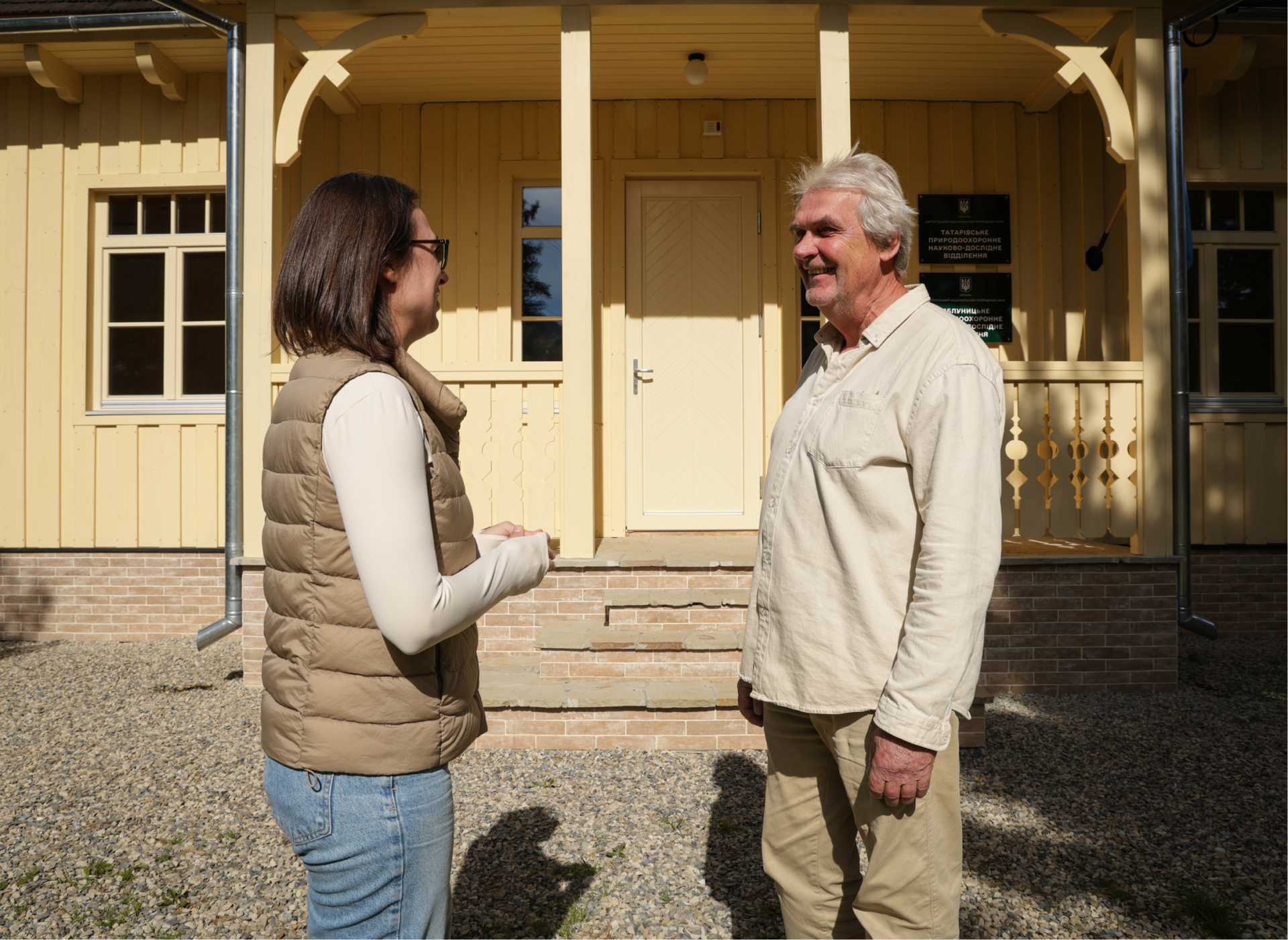
«FZS Ukraine’s work on protected-area infrastructure is a relatively new and unusual field. We are trying to communicate the values and goals of national parks through their infrastructure. Jan does not simply help us with this work. He develops this approach together with us and guides us in this field.
His influence is not so much about specific materials or architectural solutions as it is about how we plan and understand the role of architecture in the work of protected areas. During our collaboration, we have built ranger houses in Verkhovynskyi National Nature Park and forestry buildings in Carpathian and Uzhanskyi National Nature Parks. We are also continuing to work on a number of other sites. We currently have a portfolio of 18 active projects planned for the next two to three years.
It is important to us that this infrastructure reflects the work of protected areas and fits into the landscape. We also think about the materials we use and what will happen to a building at the end of its life. Buildings should be designed so that they can be properly dismantled and their materials reused or disposed of appropriately. Jan remains an important partner and adviser in this approach».
This is the twelfth story marking the 25th anniversary of FZS in Ukraine. You can read the earlier stories here:
#1 Prypiat, Goldeneye ducks, and Fish Weirs — How FZS’s Work Began in Ukraine.
#3 Explore all of mountainous Crimea: the project that introduced Ukraine’s vultures to Europe
#5 A Shift Toward the Carpathians: Why FZS Suspended Its Work in Polissia in 2013
#6 Pickups, Uniforms and Management Plans: How Two German Projects Transformed 13 Parks
#7 How Carpathian National Parks Were Expanded by 40,000 Hectares
#9 Vehicles, Motorcycles and Uniforms: FZS’s Experience in Strengthening the Work of National Parks