#8 “The Infrastructure Should Be Worthy of Nature”: How FZS Is Restoring Buildings in Ukrainian National Parks
25 stories of memories for the 25th anniversary of the Frankfurt Zoological Society in Ukraine. We spoke with people who were there at the beginning of the organisation’s work in Ukraine and implemented its first projects together with FZS.
Why can’t buildings in national parks be cheap or ugly? How did the philosophy of The North Face co-founder about infrastructure worthy of wild nature make its way from Patagonia to the Ukrainian Carpathians? And why does the FZS team pay such close attention to the quality of roofs? Michael Brombacher, who has headed the Europe Department of FZS since 2011, tells the story.
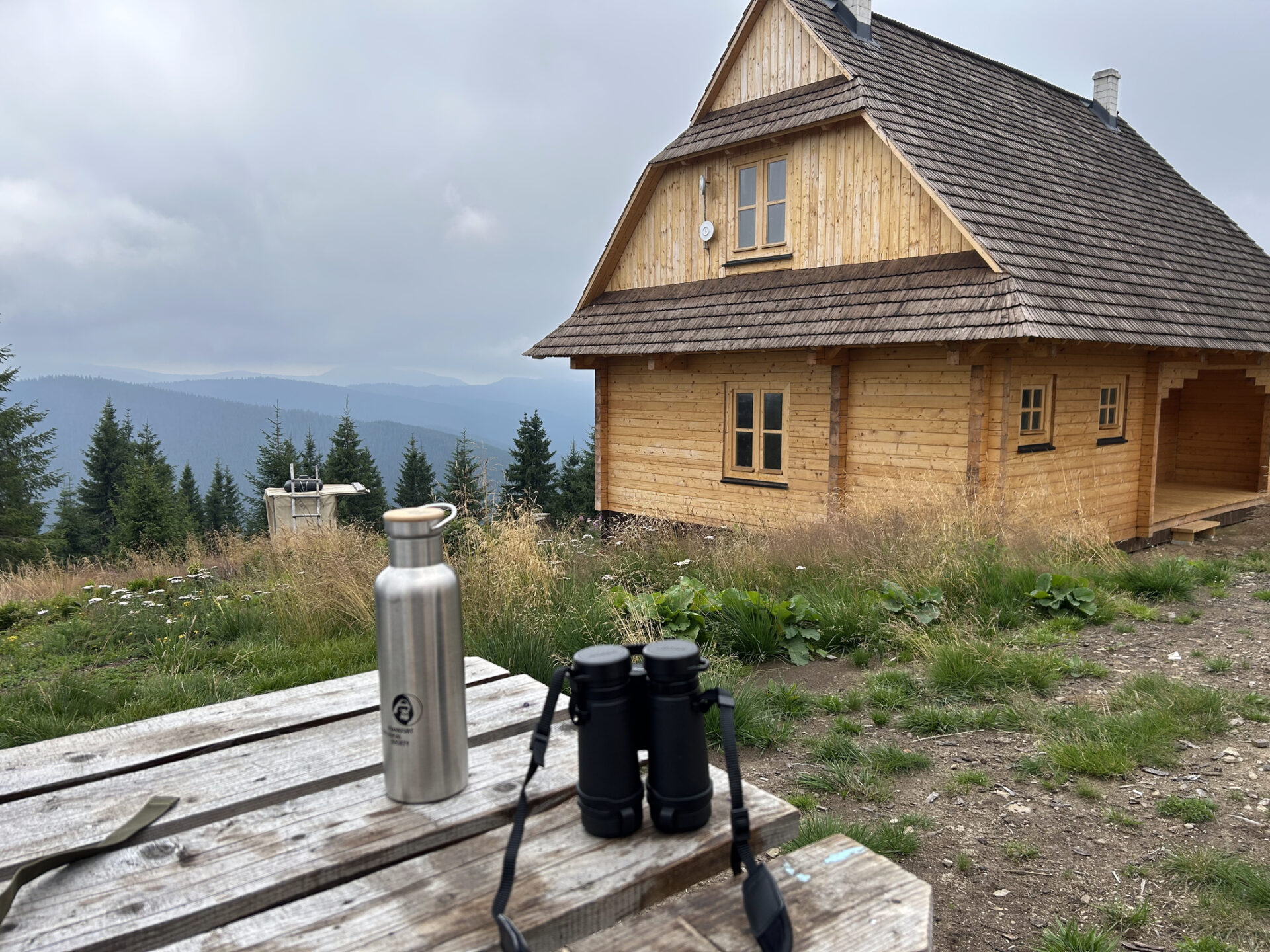
Our work is to protect some of the most unique places in Europe.
But infrastructure is no less important in conservation work. The approach of Doug and Kris Tompkins — travellers, conservationists, and people connected with The North Face, Esprit and Patagonia — resonates with me most. Doug believed that infrastructure in a national park should be of the same quality as the nature it helps protect. It cannot be cheap or ugly — it should be worthy of the landscape. That is why his parks paid so much attention to architecture, local materials, colours, details and craftsmanship.
Doug Tompkins was a co-founder of The North Face and Esprit. He loved mountains, rivers, kayaking and climbing — and gradually came to believe that simply admiring wild nature was not enough. In 1990, he left business and moved to Patagonia to devote himself to conservation. He described it as a way to “pay rent for his time on the planet”.
Kris, or Kris Tompkins, had an equally remarkable background: for many years, she was CEO of Patagonia, Inc. In 1993, she also left business and joined Doug. Together, they began doing something that seemed almost unimaginable at the time: buying large areas of land in Chile and Argentina not for private ownership, but to restore them and eventually transfer them to the governments as national parks.
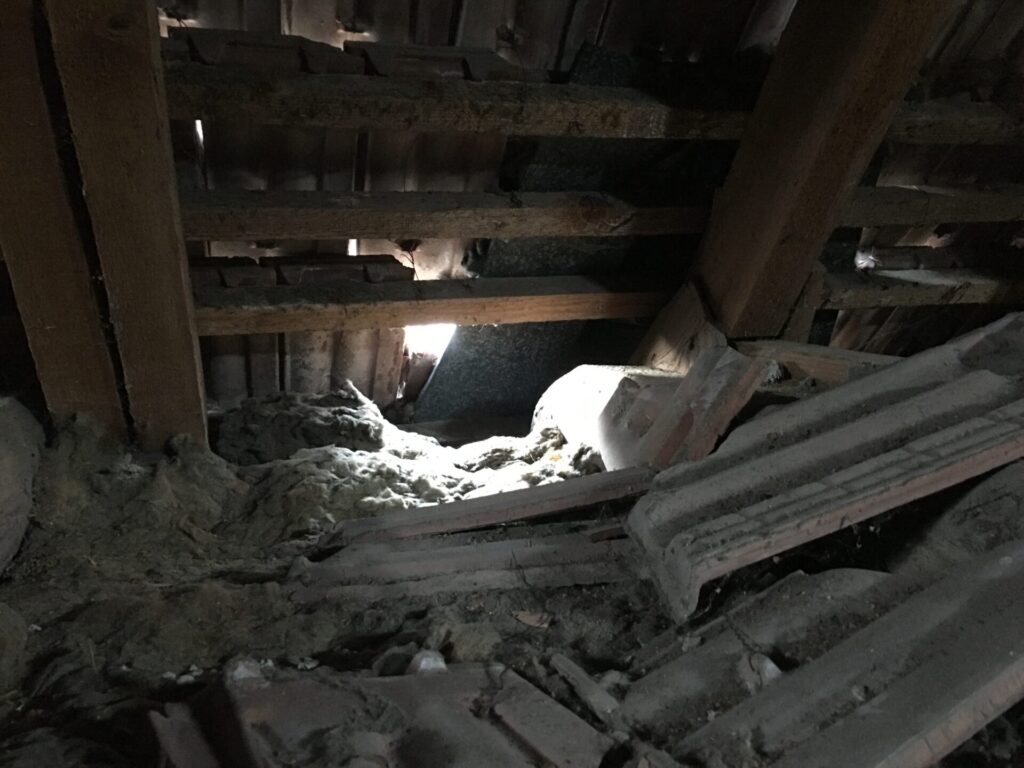
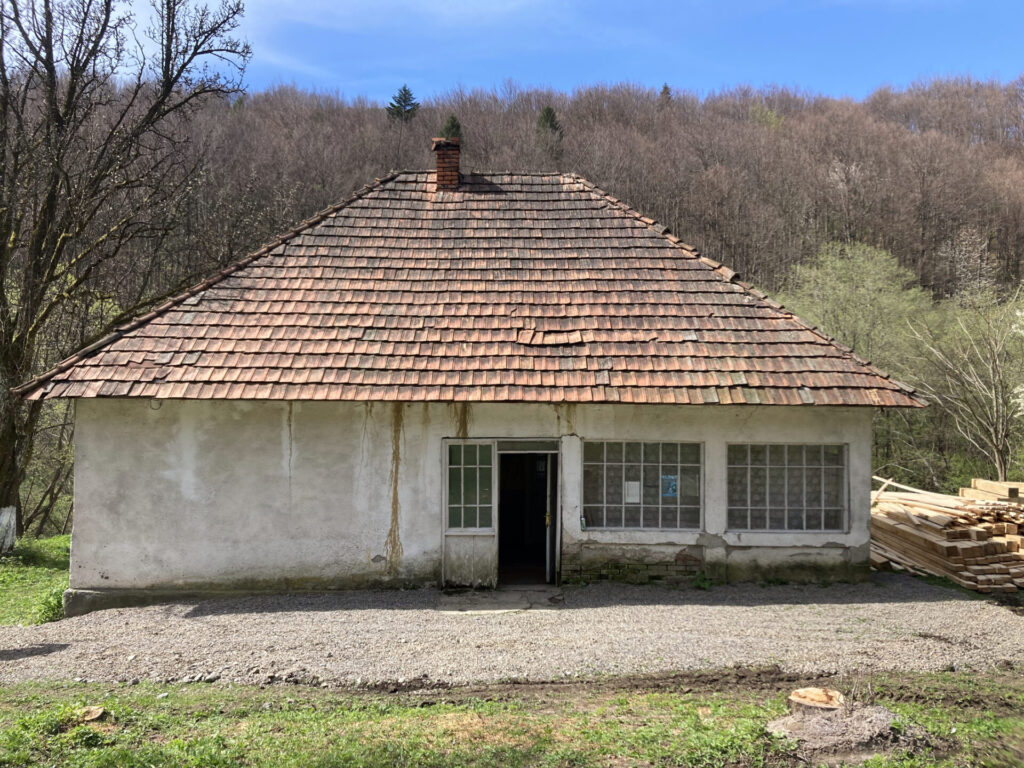
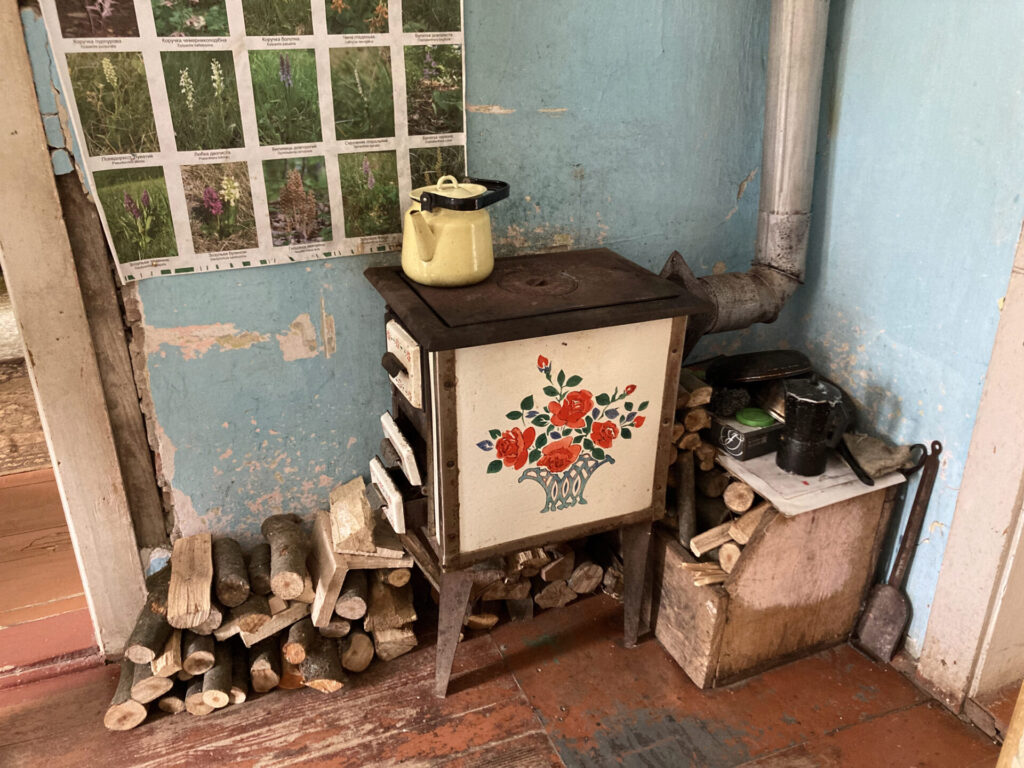
From the beginning, when we assessed the infrastructure of national parks in the Ukrainian Carpathians, many buildings were outdated.
They had no modern heating or insulation, old or plastic windows, and roofs that often leaked. You could say that most park buildings needed some kind of upgrade. Before that, I had visited the Făgăraș region of the Romanian Carpathians several times and seen the high-quality materials they chose for construction and how well they fit into the natural landscapes. It was clear that they had also been inspired by the Tompkinses’ philosophy. Ukrainian national parks needed this too. I asked them: who was your architect? It turned out to be the German architect Jan Hüselmann — a person who creates simple and practical architecture that suits nature.
We invited Jan to become our international architect and visited all the Carpathian national parks with him.
He then made the first sketches and ideas for discussion. After that, we gathered the directors of all the Carpathian national parks and travelled to Romania so they could see for themselves how this approach to infrastructure restoration was implemented. Jan brought a large suitcase with all kinds of materials that we could touch and test and see in real-life colours rather than in photographs.
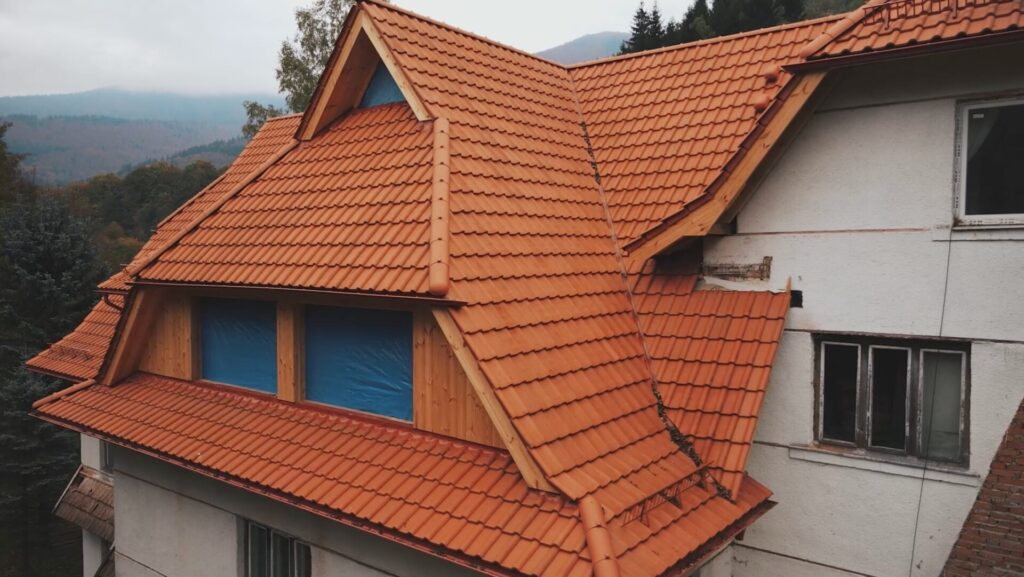
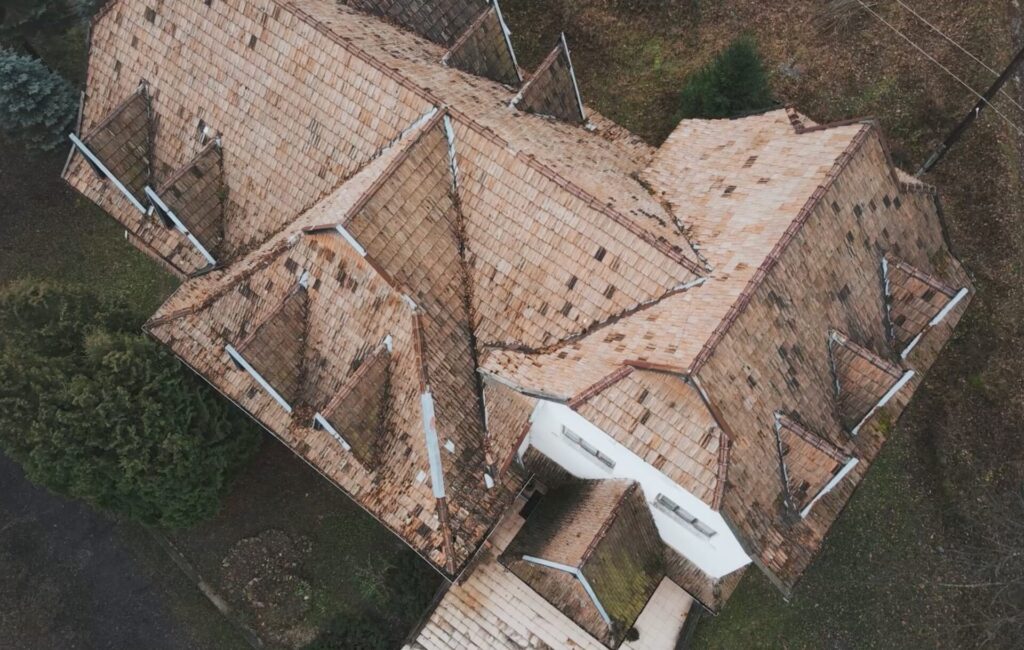
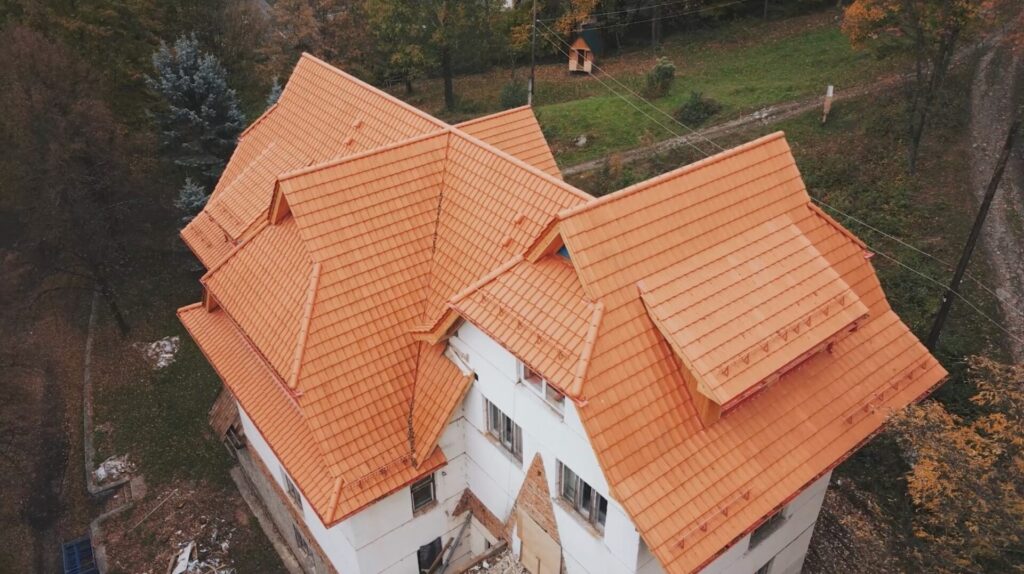
The major team effort began with the roof of the Mountain Ecology Museum in the Carpathian Biosphere Reserve. We had a finished design and began preparing tenders for the renovation to bring the vision to life. But then the full-scale invasion began, and during the first months it was very difficult to hold a tender for large buildings. At the same time, the roof was leaking, it was winter, water was getting inside, and the entire exhibition could have been lost. So we urgently repaired the roof. And, as you can see, to a very high standard and in accordance with Jan Hüselmann’s plans. Then there was more: buildings of protected area departments, the national park administration building in Yaremche, ranger houses in Perkalaba, and the Gredl Palace in Skole.
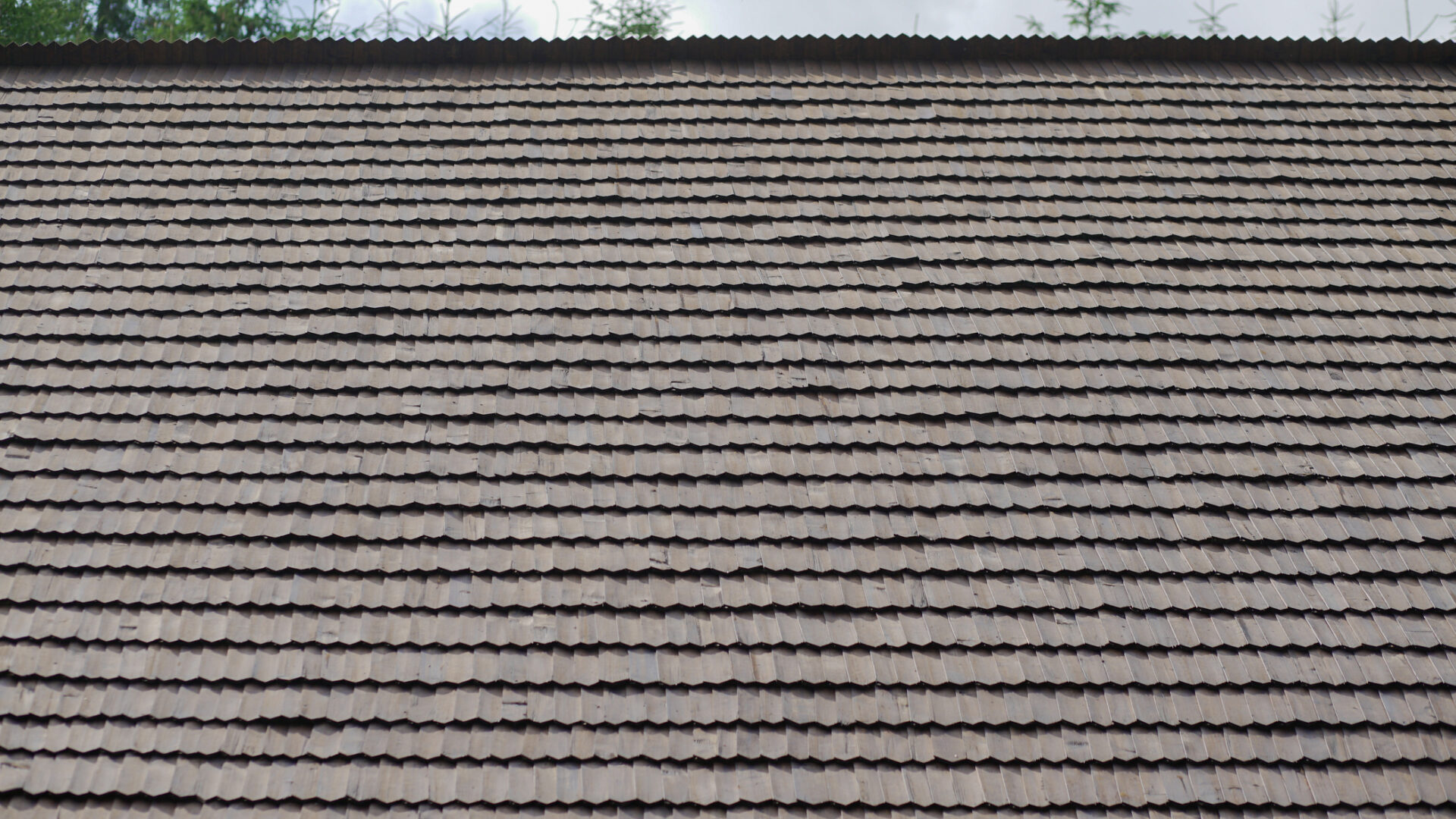
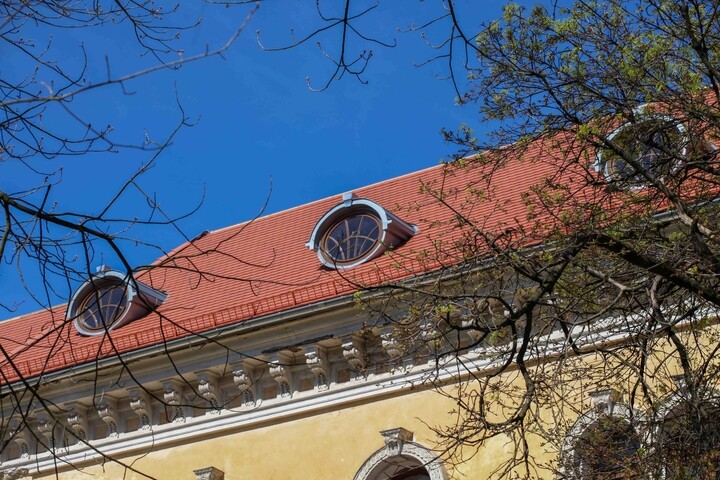
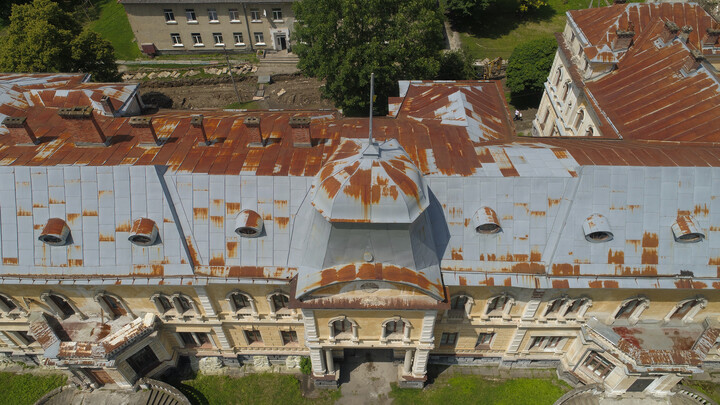
Speaking of the palace roof, we looked at old photographs and wanted to recreate what had been there before. During the Soviet era, cheap metal was used, but historically it had been covered with shingles. They were brought from Germany and were of high quality. Jan Hüselmann is always very critical, but he came to the roof after the work was completed and had nothing but positive things to say.
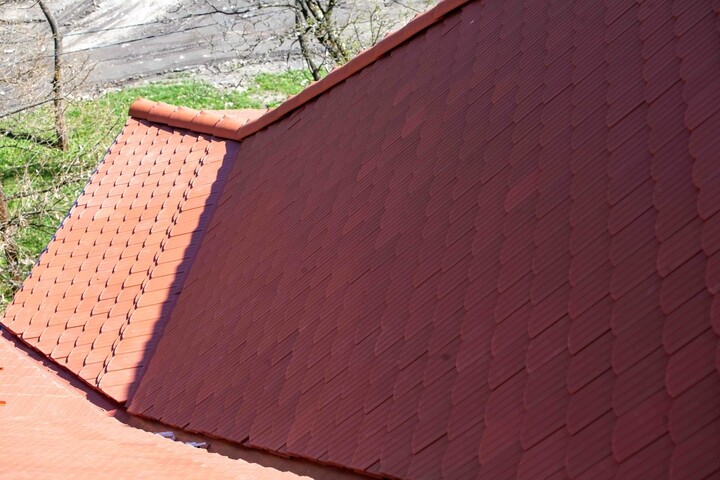
Another example is Verkhovynskyi National Park. It was a young institution with only its main administrative building, but nothing “in the field” for its ranger staff.
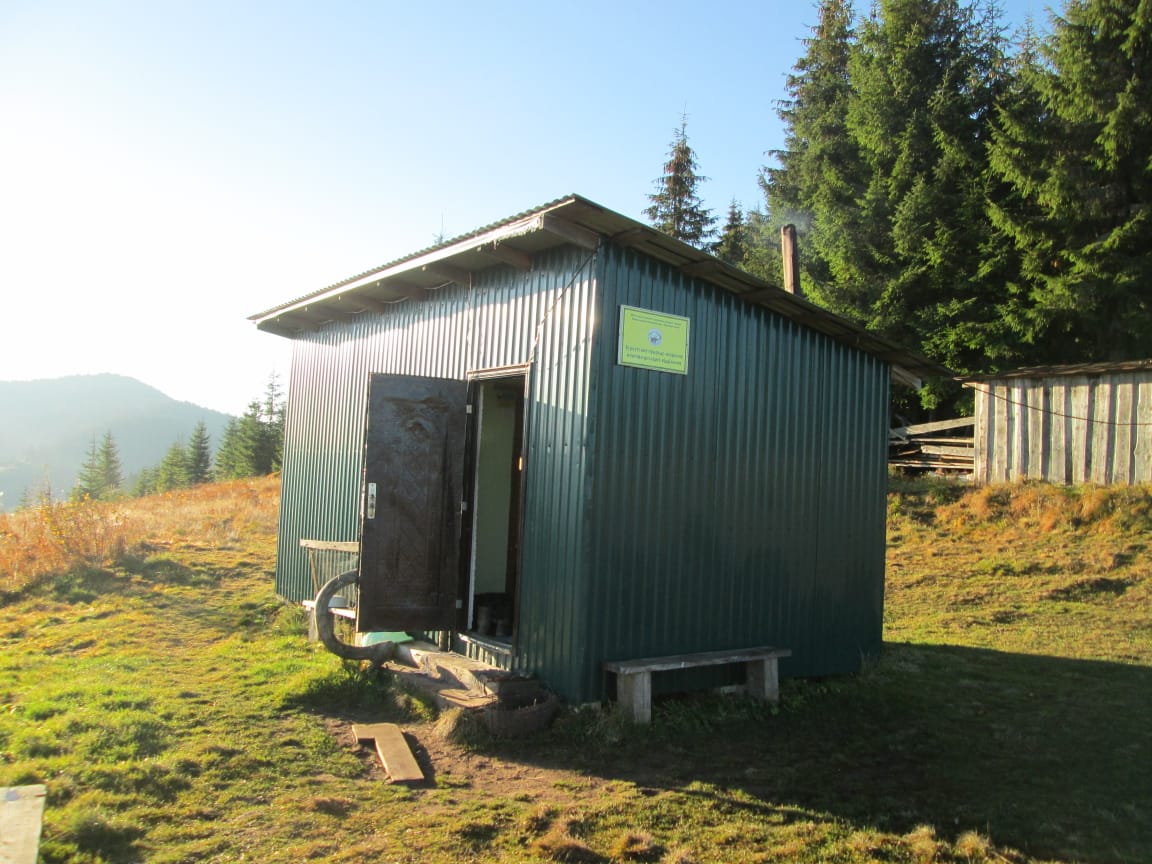
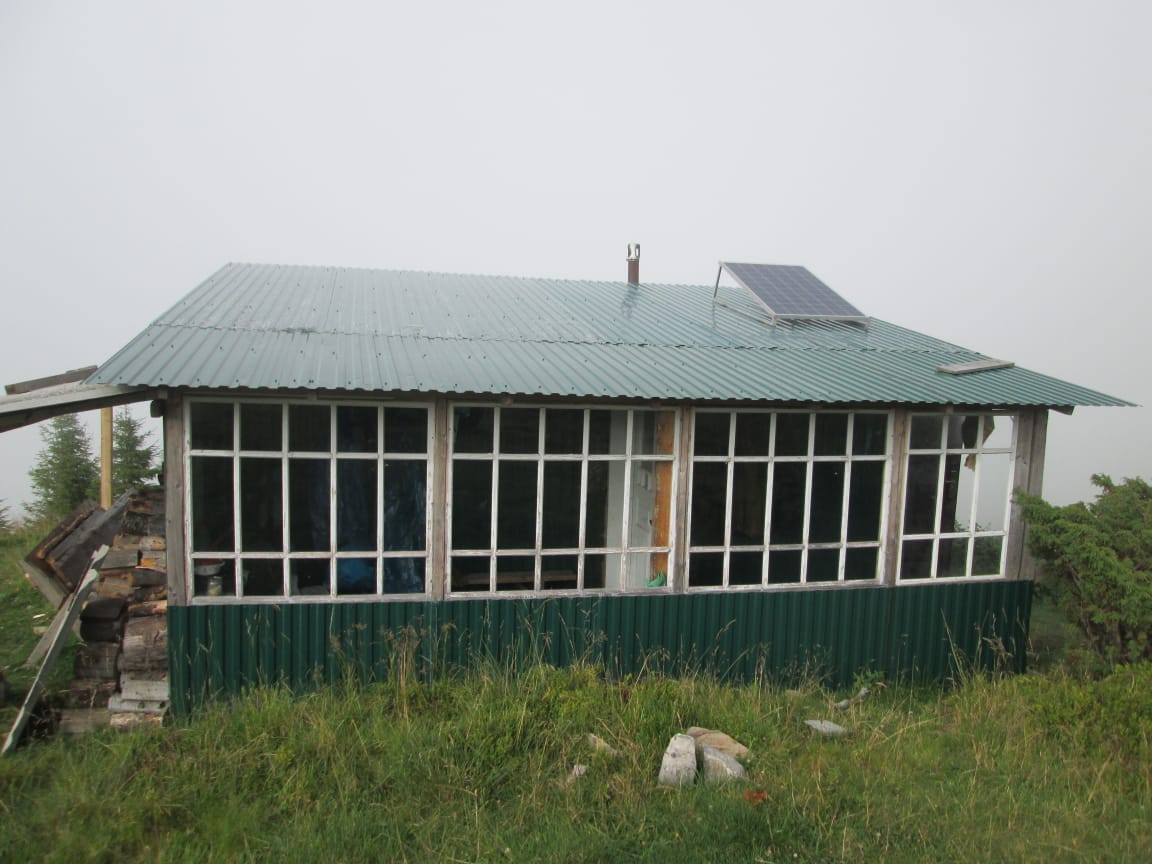
So the park improvised, and employees built these green metal boxes themselves, sometimes without windows and with uncomfortable beds. This is an example of how something can be cheap, but not very attractive or functional. And for people working in the field, it is important to have a decent workplace because it is hard work. Simply adding insulation to a building and replacing the windows makes a huge difference. Oleksandr Kyseliuk, Deputy Director of Carpathian National Nature Park, told us that his office was finally warm. You could immediately see how these first small changes made the entire working atmosphere in the office much better.
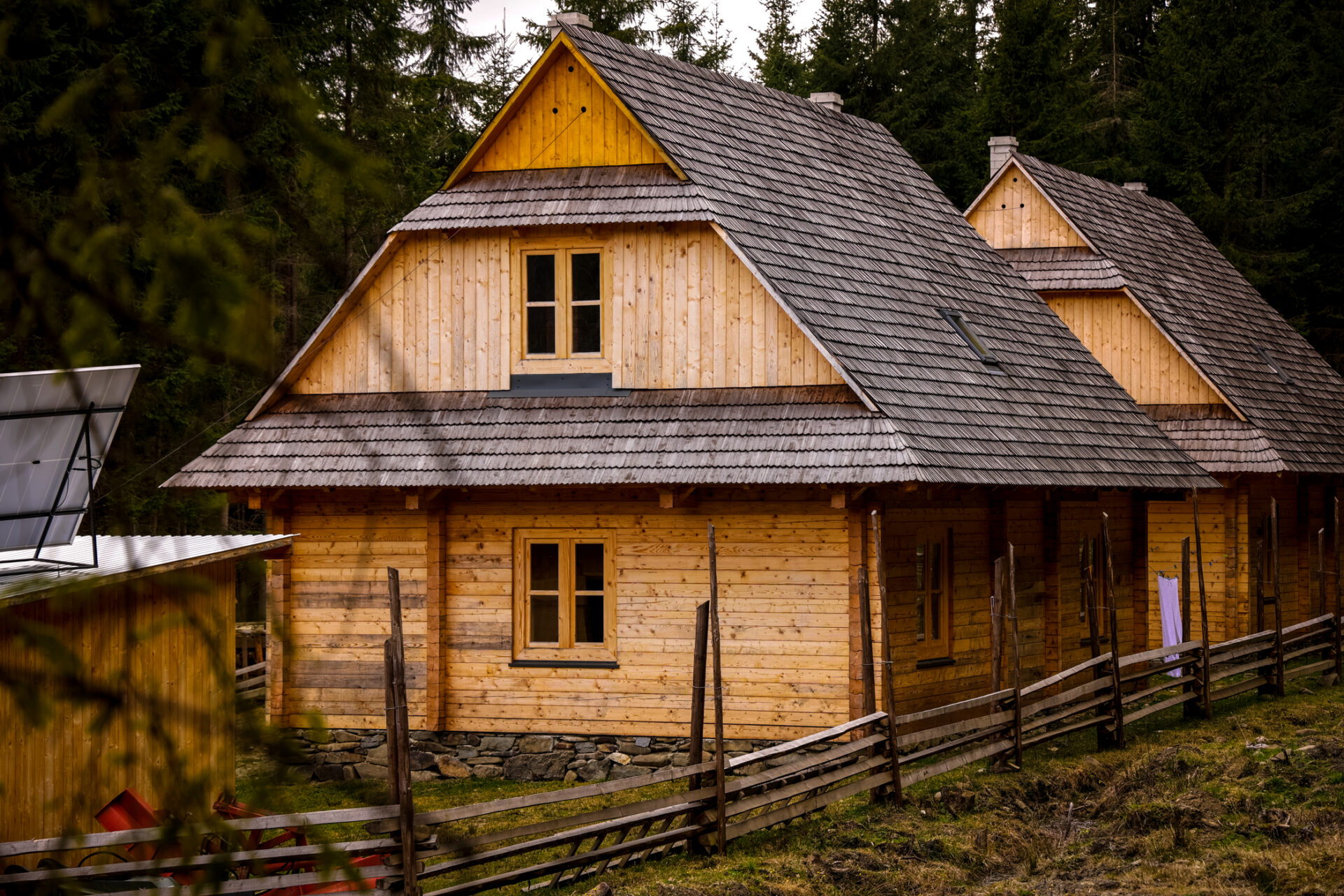
Staying with the topic of roof restoration, it is worth mentioning wooden shingles — “honta”.
In traditional Carpathian architecture, wooden shingles are the way roofs were traditionally made. And this tradition is still preserved in Ukraine. The first building where we wanted to use shingles was the administrative building of Verkhovynskyi National Nature Park. So we looked for a craftsman who knew how to make them and understood the tradition. I visited Ivan Slipenchuk’s workshop, where the first thing I saw was an entire mountain of shingles, and I realised: good, this craftsman knows what we are talking about. That is how Ivan Ivanovych came to oversee the restoration of three ranger houses and later the construction of the camp in Perkalaba.
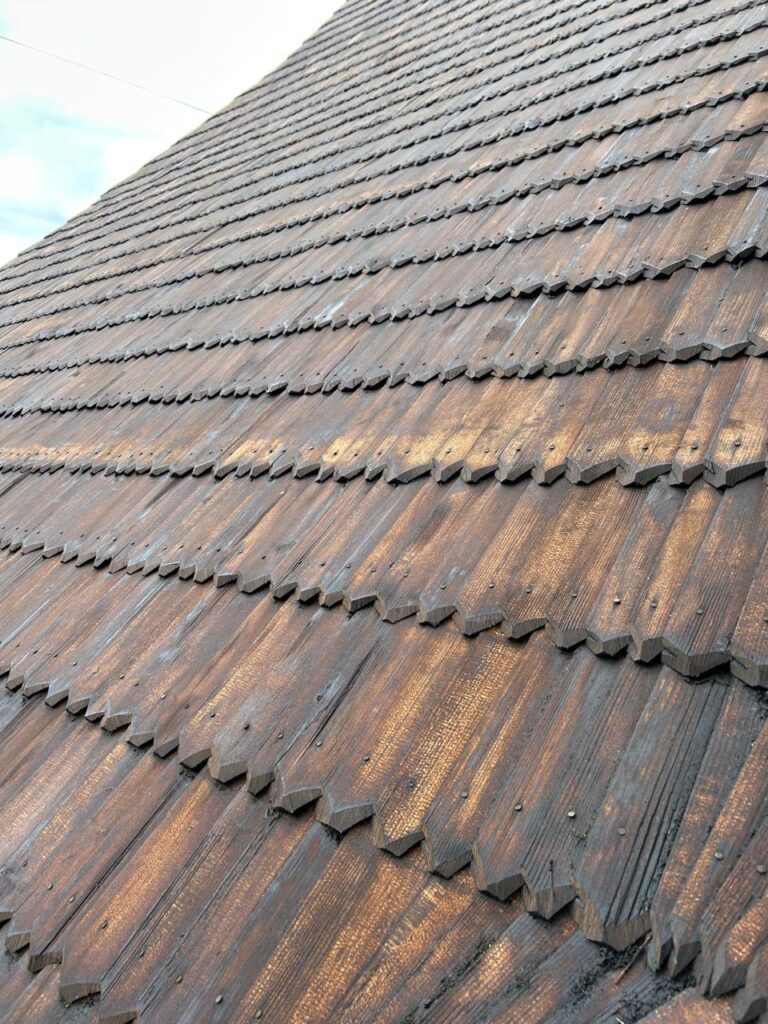
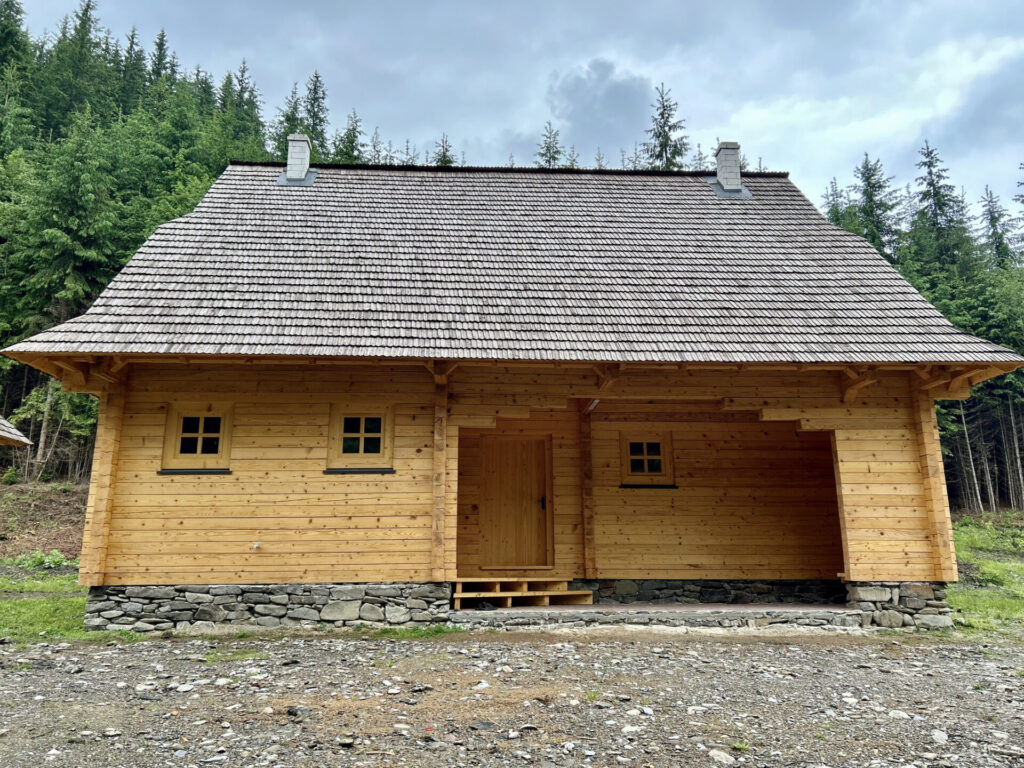
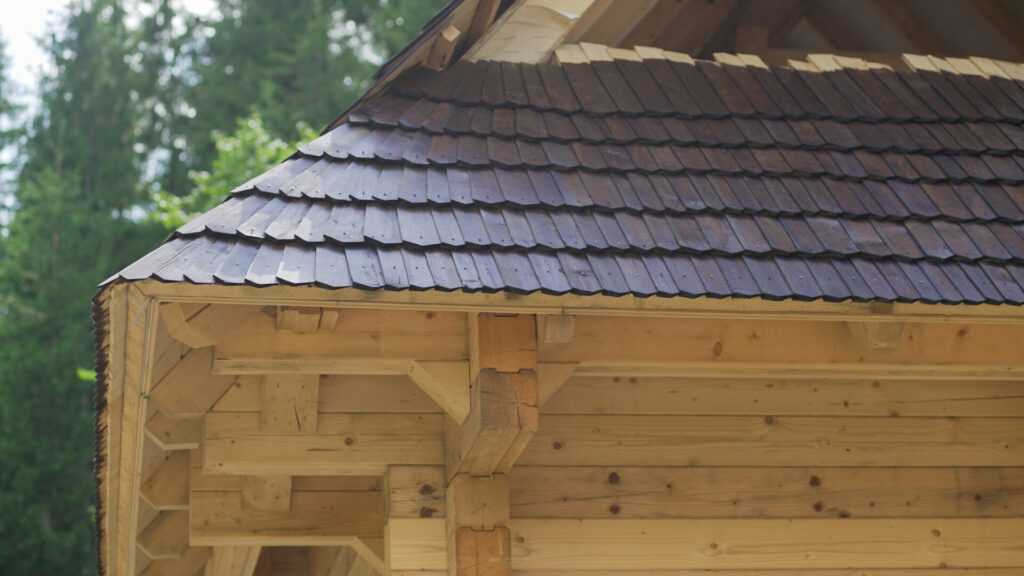
I want to return to Doug Tompkins, who said that infrastructure built badly will remain ugly for 100 years. Yes, the buildings we have restored will need repairs from time to time, and we will do them. But these buildings, with natural wooden shingles and other natural materials, will stand for 100 years and still look beautiful.
This is the eighth story for the 25th anniversary of FZS in Ukraine. Read the first stories at the links below:
#1 Prypiat, Goldeneye ducks, and Fish Weirs — How FZS’s Work Began in Ukraine.
#3 Explore all of mountainous Crimea: the project that introduced Ukraine’s vultures to Europe
#5 A Shift Toward the Carpathians: Why FZS Suspended Its Work in Polissia in 2013
#6 Pickups, Uniforms and Management Plans: How Two German Projects Transformed 13 Parks
#7 How Carpathian National Parks Were Expanded by 40,000 Hectares