#10 From Individual Camera Traps to Systematic Biodiversity Monitoring in Carpathian National Parks
25 stories of memories for the 25th anniversary of the Frankfurt Zoological Society in Ukraine. We spoke with people who were there at the beginning of the organisation’s work in Ukraine and implemented its first projects together with FZS.
How did a few camera traps, once merely a dream for researchers in nature reserves, turn into dozens of devices for systematic wildlife monitoring in the Carpathians? And why is a photo of a lynx, wolf or bear not yet a complete study? Rostyslav Zhuravchak, a member of FZS’s biomonitoring team in Ukraine, who currently serves in the Armed Forces of Ukraine, tells the story.
I first came across the Frankfurt Zoological Society sometime around 2009–2011 during a trip to Prypiat–Stokhid National Nature Park.
As soon as I saw that they had supported the establishment of a research station on the Stokhid River, I became interested. At Rivne Nature Reserve, where I was working at the time, international partners were rare. And for me, it was never simply about “help” but about equal partnership: we conserve and study unique species — such as the Greater Spotted Eagle that had been discovered there at the time — while the international community recognises this value and supports us.
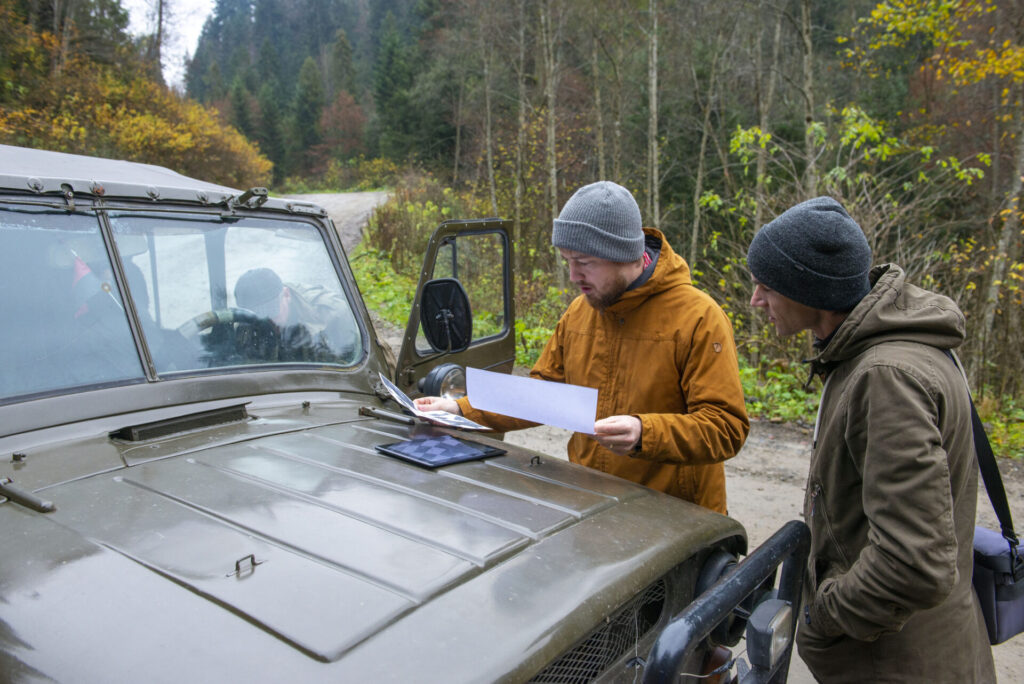
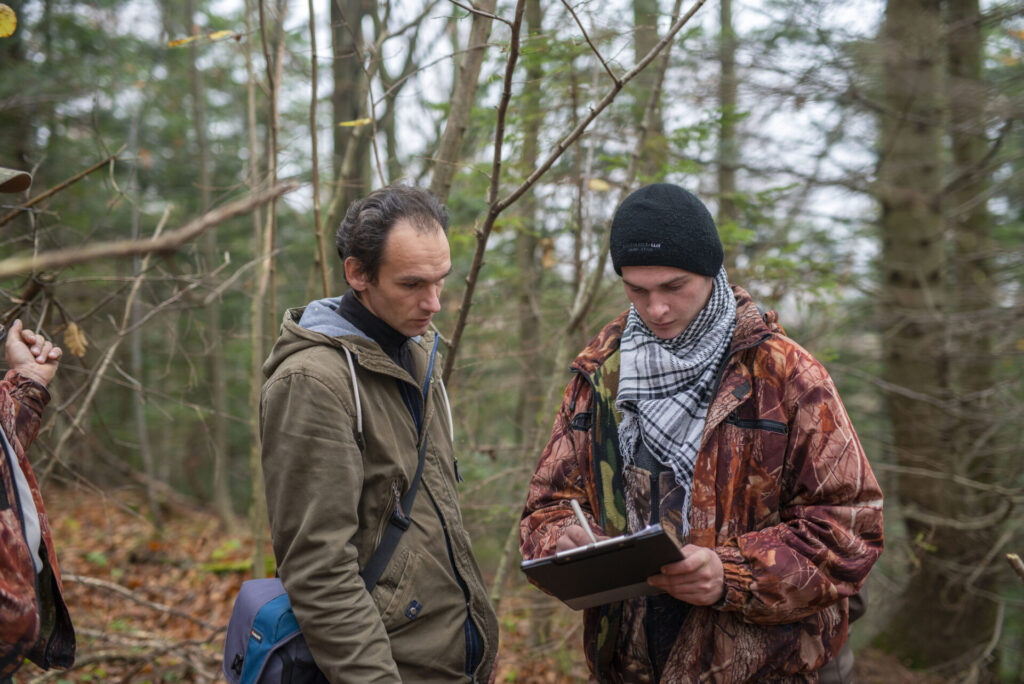
I joined the Society in 2020. I had just left Rivne Nature Reserve and was moving to Lviv Oblast, thinking I might find a job somewhere near Skole Beskids. But after a conversation with Michael Brombacher, I immediately received an offer from FZS. Without any pause, I joined Adam Smith’s fieldwork, who was leading a lynx study using camera traps. I adapted the instructions, translated and helped with logistics.
By that time, camera traps were no longer a novelty for Ukrainian national parks and nature reserves. But there were very few of them. I remember dreaming of having at least six devices at the reserve — one for each protected area department — and even that number seemed unrealistic to me.
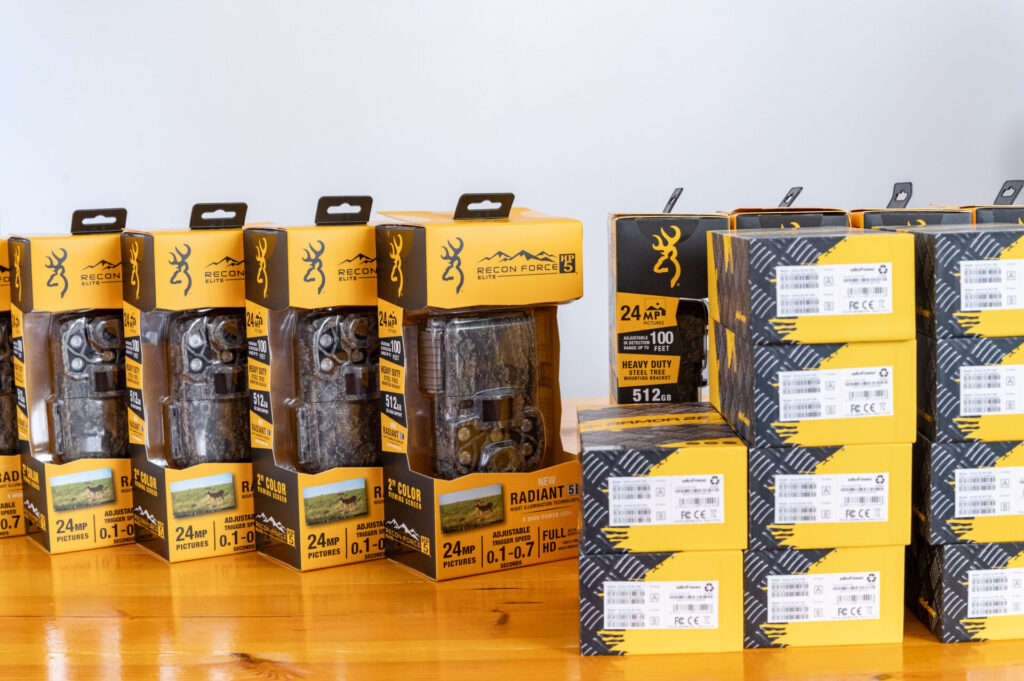
One of my first tasks at the Society was to survey national parks about their research activities and needs. Absolutely all of them asked for camera traps. But the real challenge was scaling things up. When you have five or six devices, you can manage the process yourself. But full-scale monitoring requires 20–30 or more. That is a completely different level of responsibility: from the budget and methodology to processing a huge amount of data and organising the work.
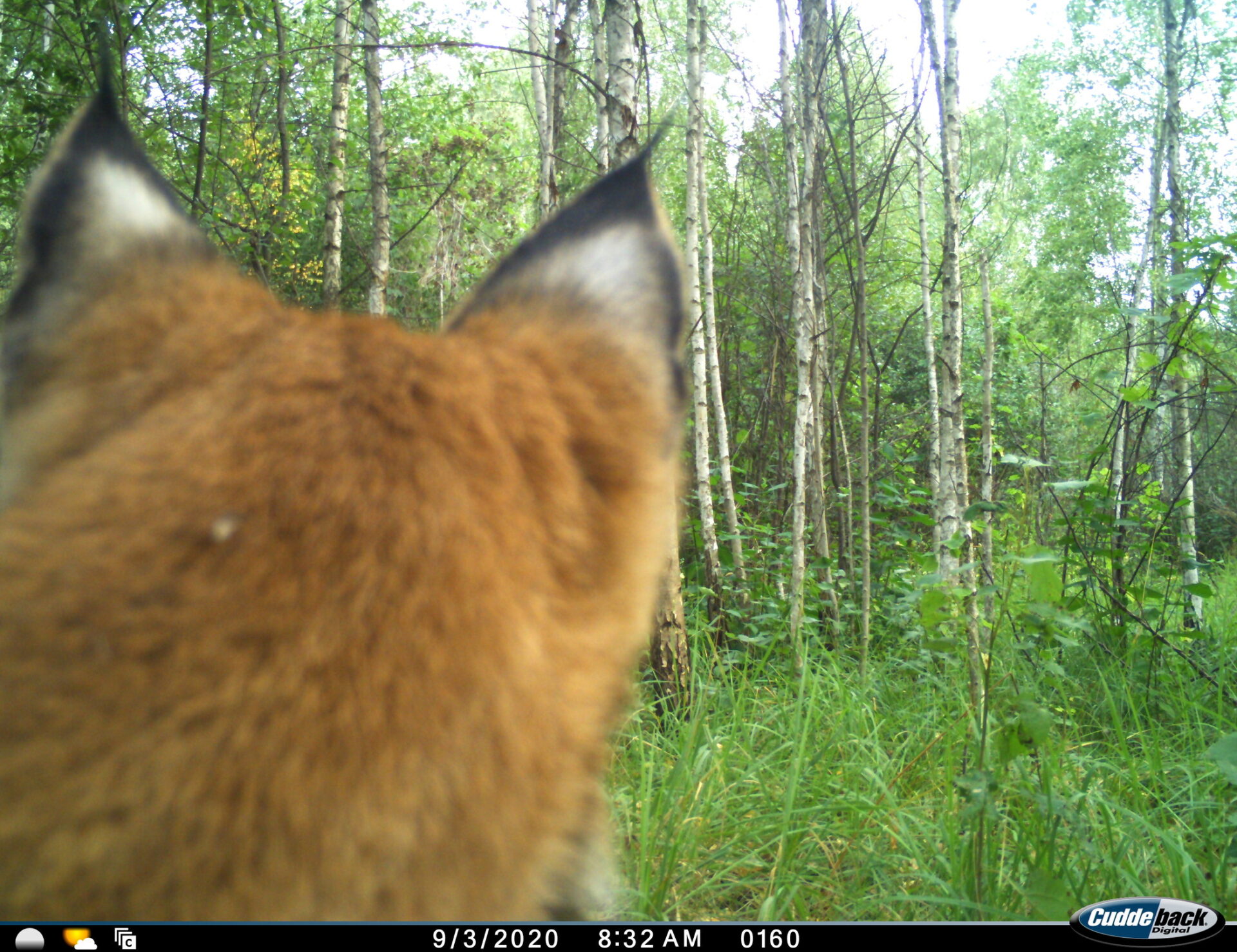
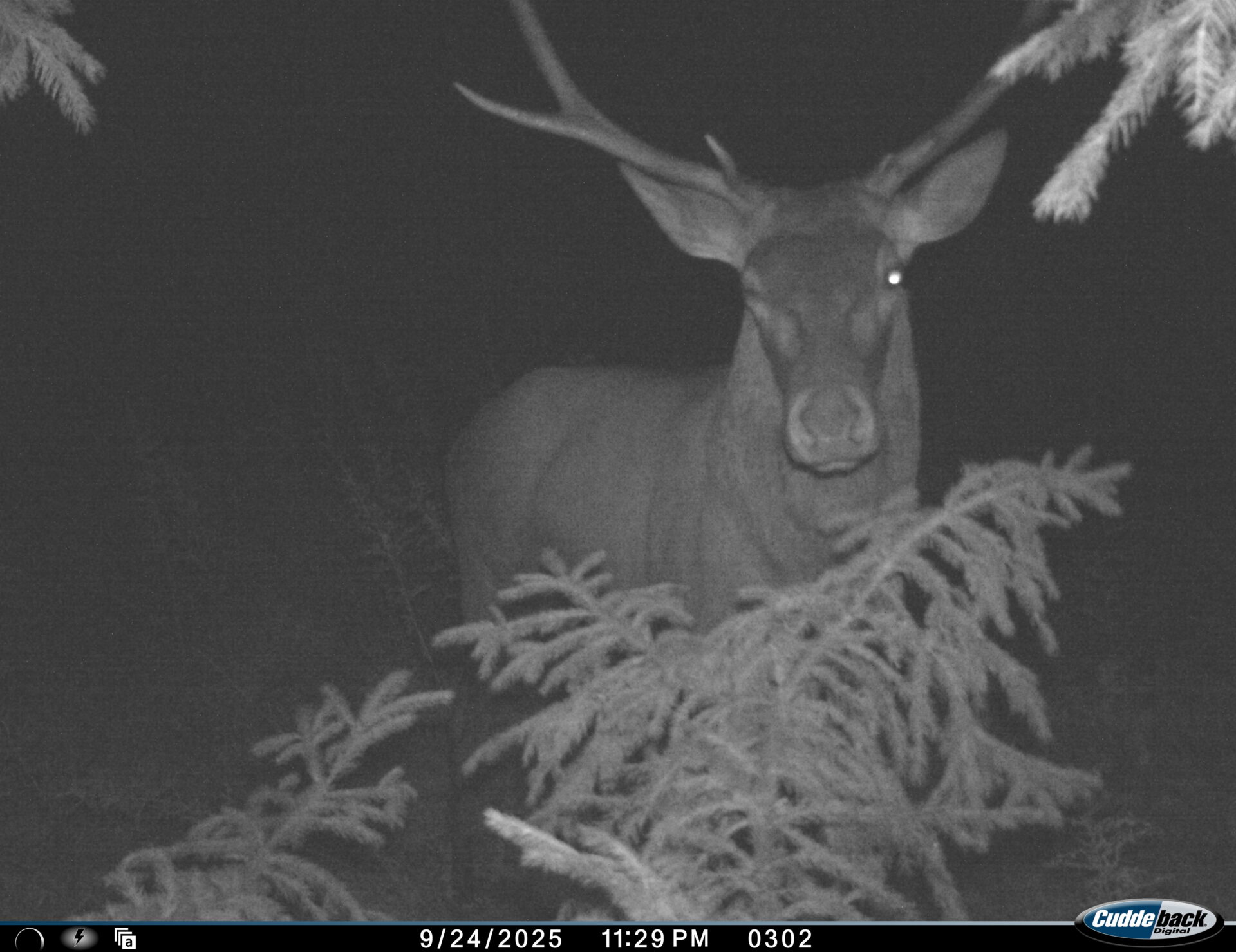
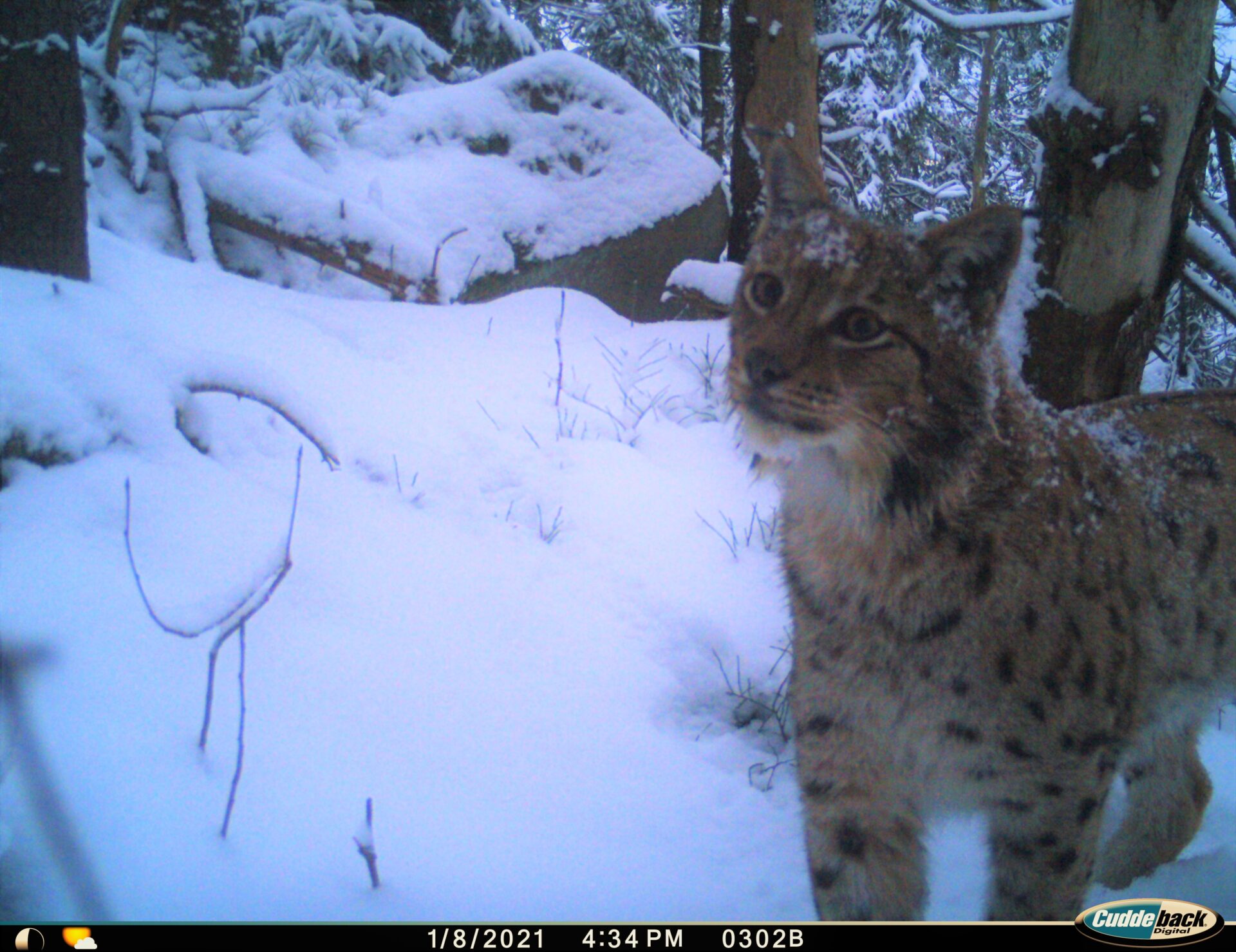
At first, many people wanted camera traps primarily out of curiosity and for cute pictures. Put one near a den, along a crossing, or in a place where, according to a park employee, “a lynx or bear passes”. That is also useful. Such images are important for park social media pages, reports, brochures, books and environmental education. But if we are talking about support, funding and results, we need a methodology that allows us to draw certain conclusions: statistical data that can be used to talk about encounter rates, density and species distribution.
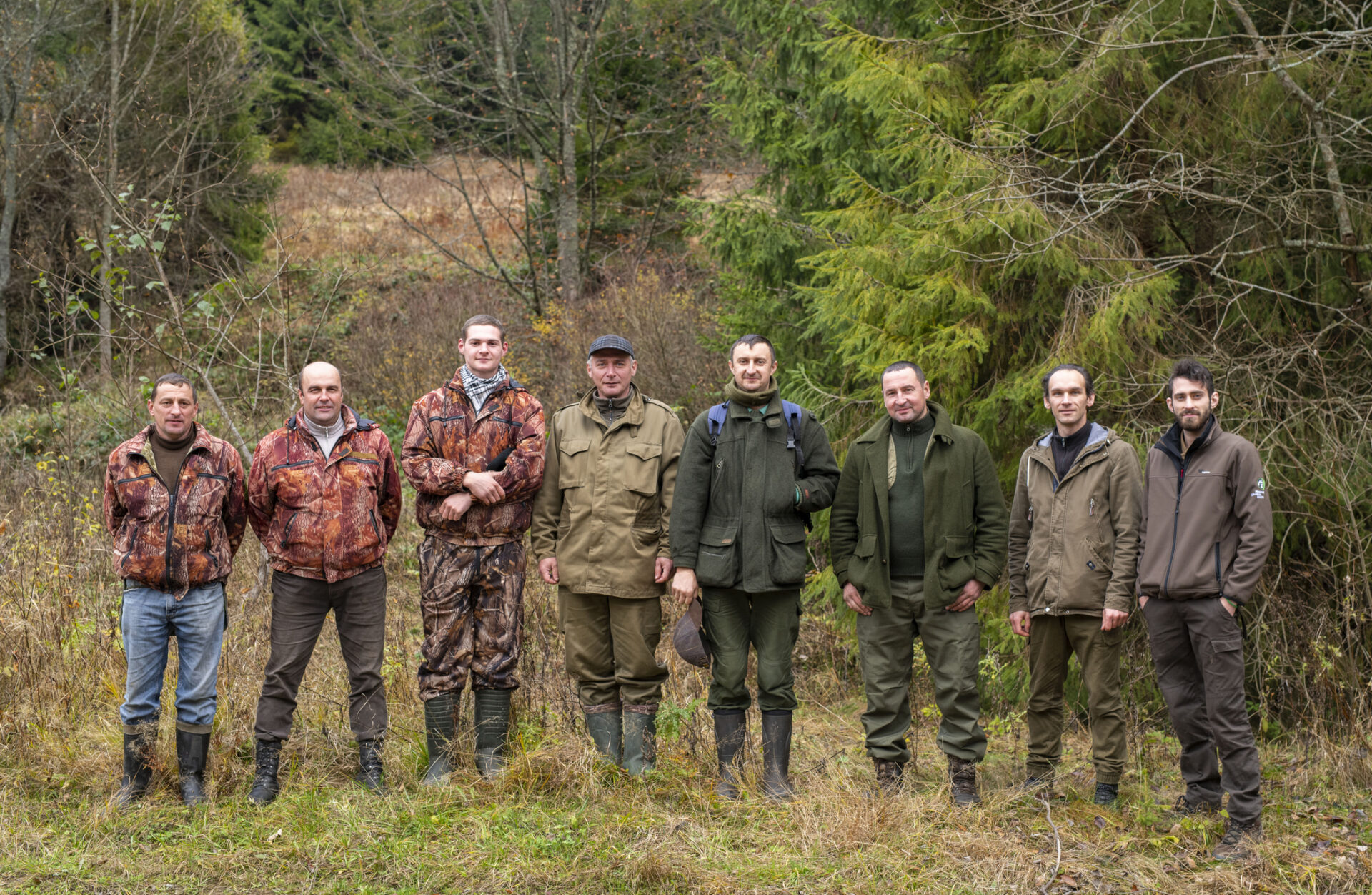
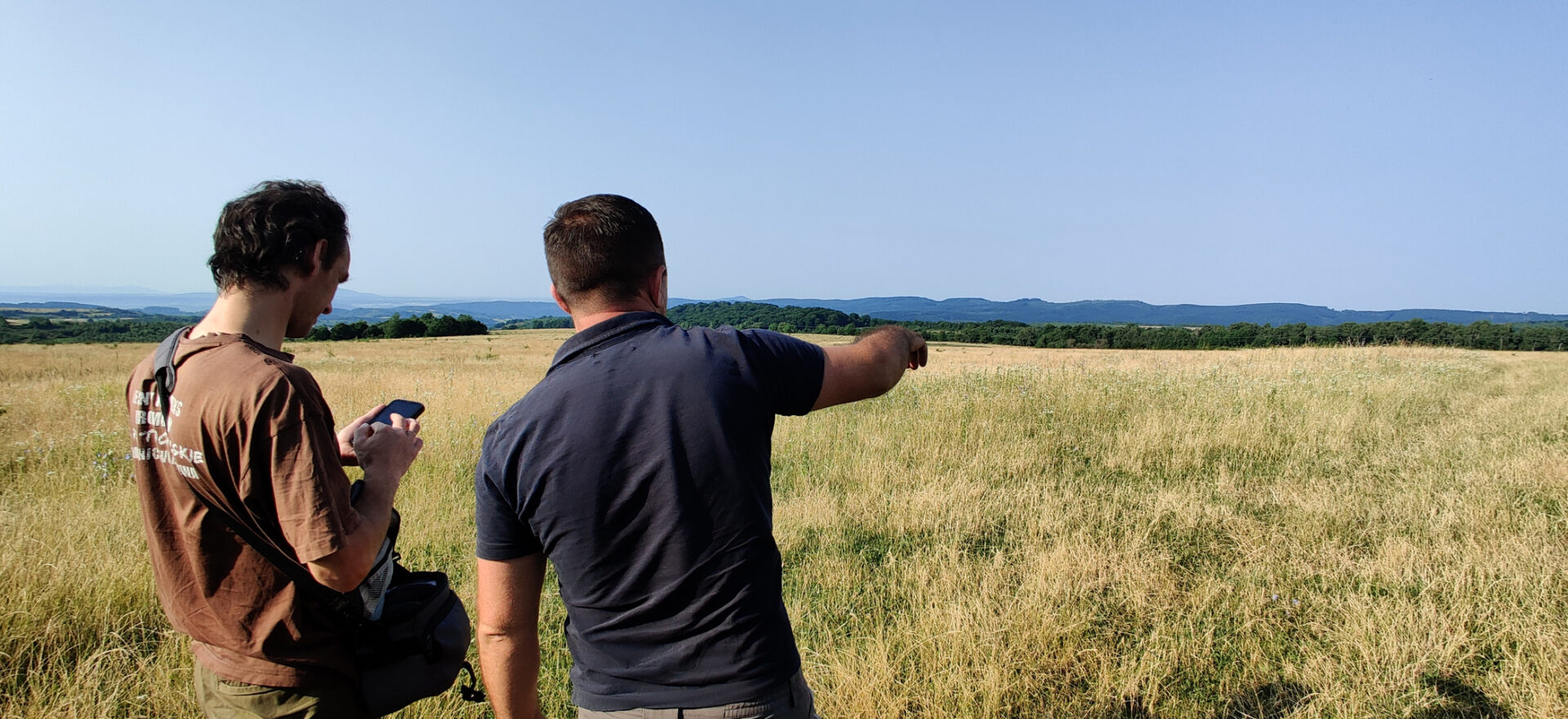
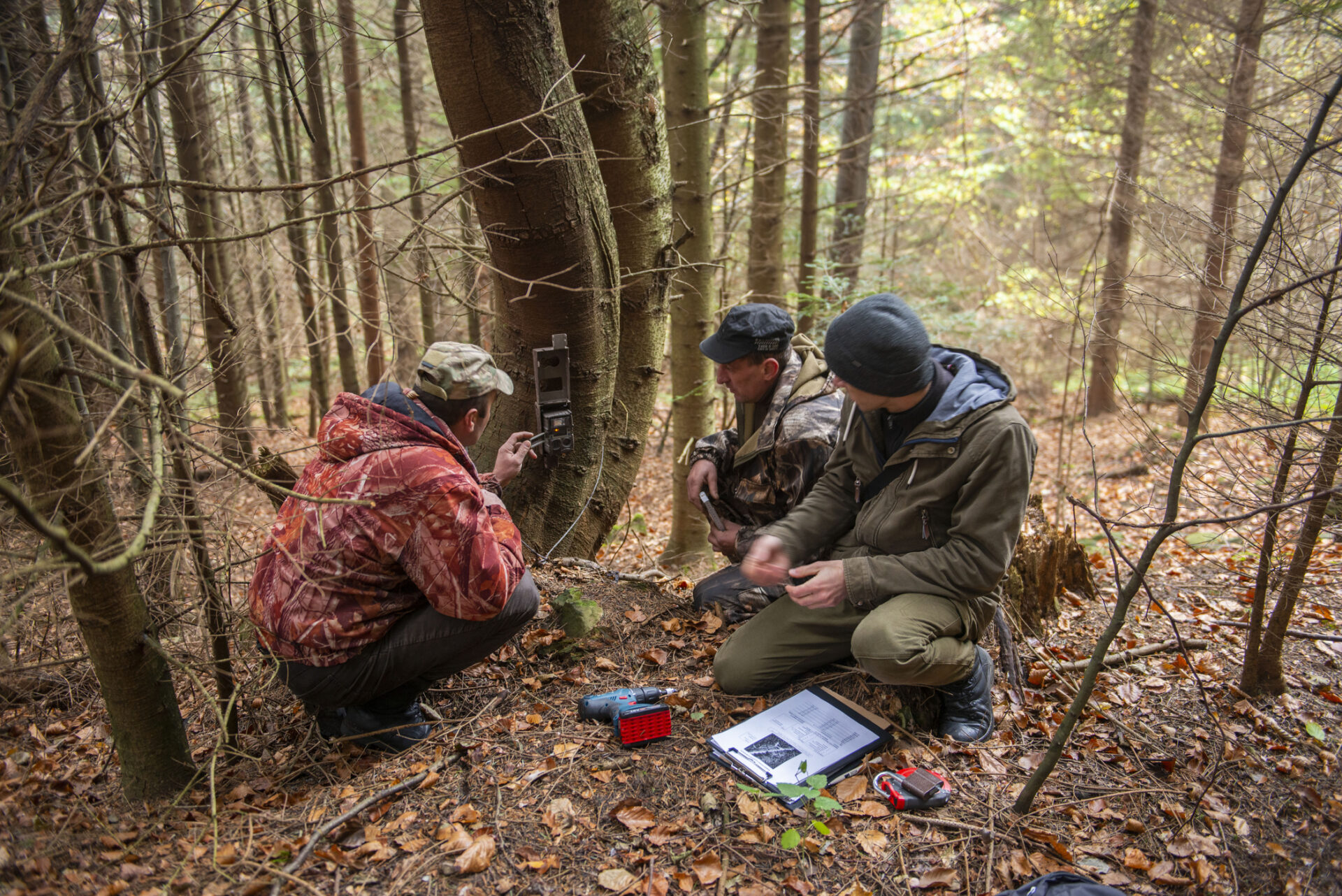
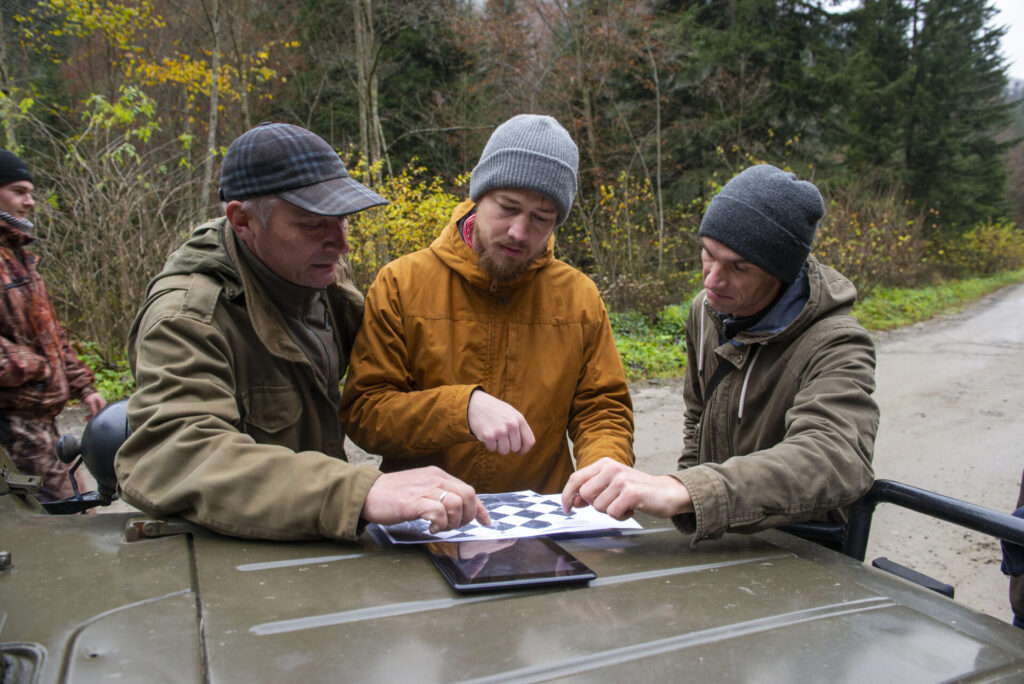
We planned the summer monitoring so that our team was present everywhere during the installation stage. On average, each institution received around 15–20 camera traps.
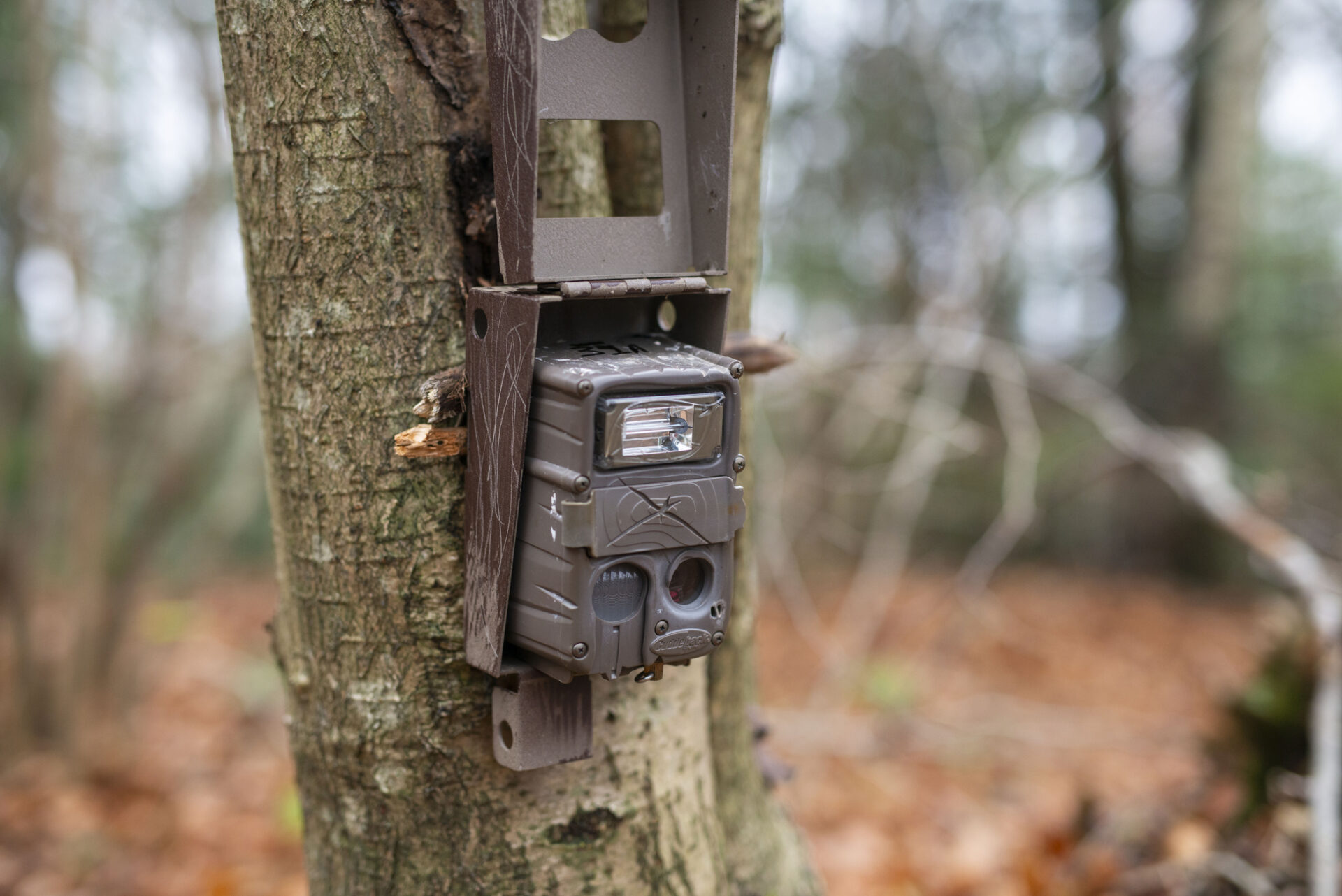
We went together with the staff, showed them how to install the cameras and explained what was important to take into account. At that point, we were still able to follow the methodology quite well because we supervised every installation, but later we realised that the methodology needed to be simplified.
One of the most important things was positioning the camera trap correctly.
The methodology said: move in front of the camera and make sure the sensor is triggered. But a person moves like a person. And if a camera trap is supposed to record a fox, wolf or another animal, you need to think from the animal’s perspective. I used to say: if you are setting a camera trap for, say, a fox or wolf, try to “become a fox”. Crouch down and move along the lower part of the imaginary trail the animal might use. In winter, animals often move along paths or established routes, conserving energy rather than pushing through dense vegetation. If the camera triggers when you move at the animal’s level, there is a greater chance that it has been installed correctly.
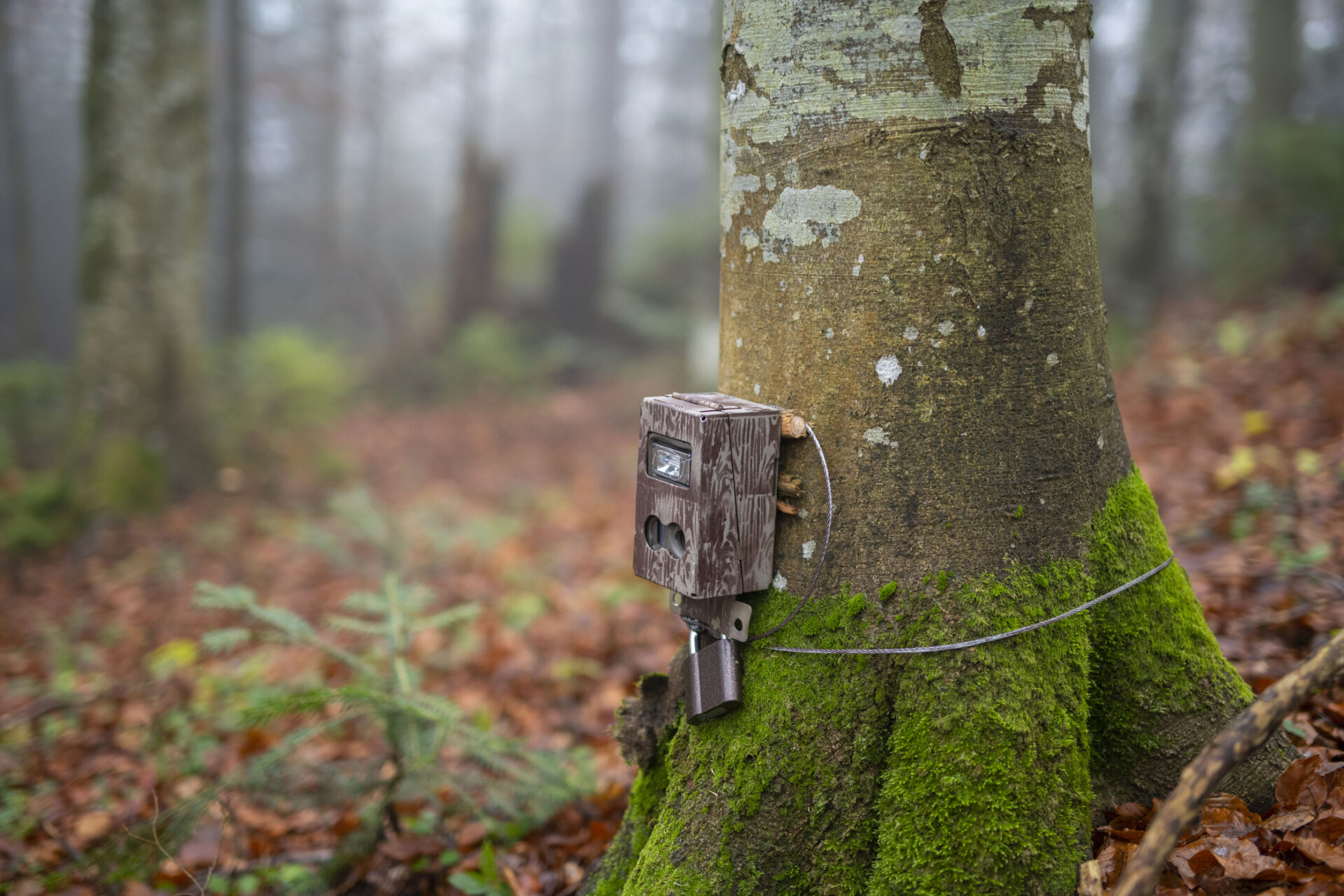
It may seem like a small thing, but these small details often determine the result. We also checked how to switch on camera traps, how to check battery capacity, how to test whether the devices were working and how to clean them. We developed protocols for technical checks, malfunctions and maintenance. Otherwise, someone might remove a camera trap in summer, fail to take out the batteries, discover that the flash was not working, or leave something unchecked before the next season.
When the parks began receiving their first large volumes of information, that also became a challenge, because tens of thousands of photographs would appear at once.
They had to be properly labelled, organised, stored, processed and counted. And, of course, we wanted to get meaningful results from them. It was difficult because a new study would begin faster than we could obtain the results from the first one.
Other organisations also provided camera traps and attempted monitoring as part of their projects. But at that time, no one was providing as much equipment as FZS. Many worked according to a “target species and confirmation” principle: install a camera trap, obtain a photo, confirm the species’ presence. We were interested in seeing the bigger picture: what was happening across the territory of an institution or park.
But we did not stop at camera traps and systematic monitoring.
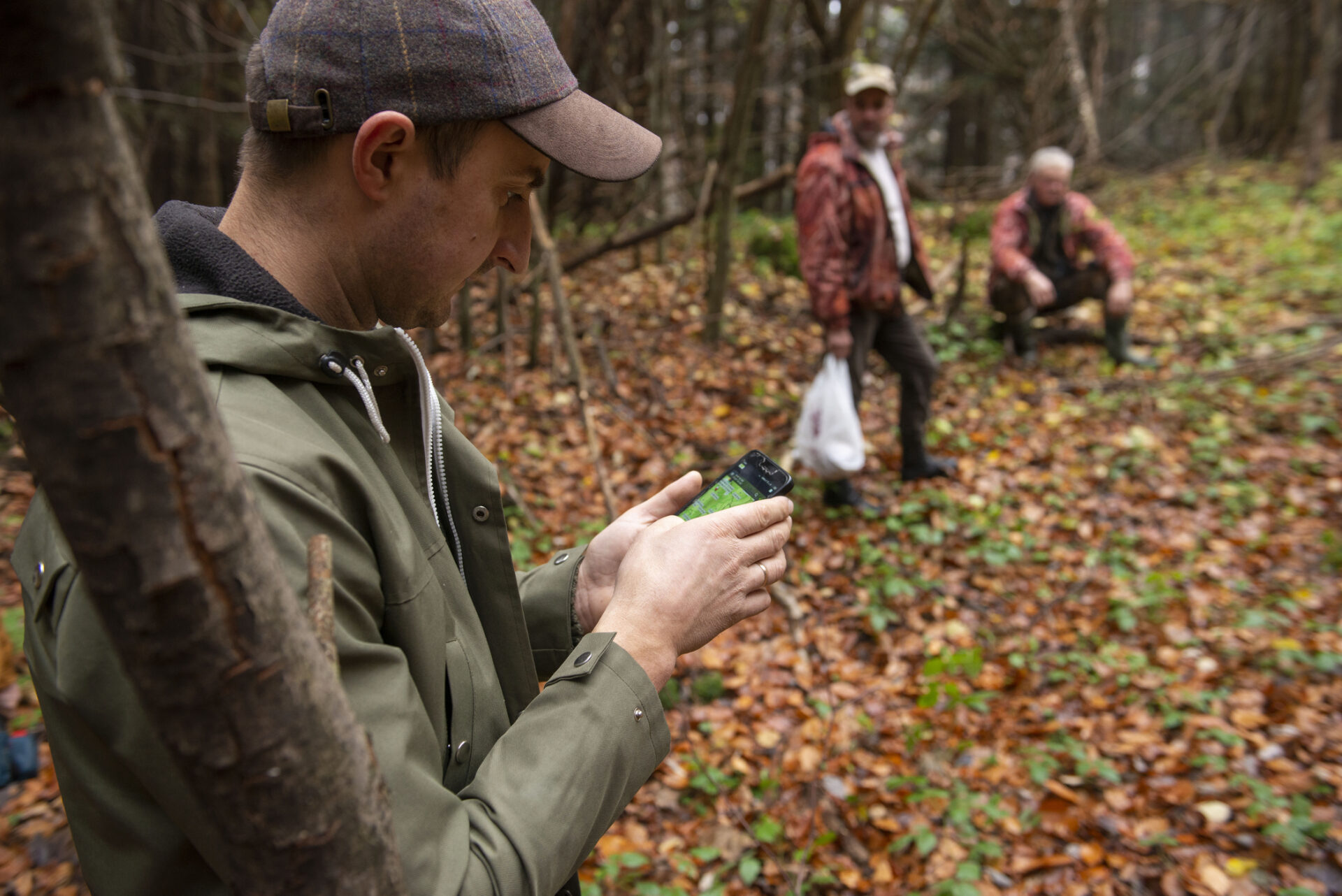
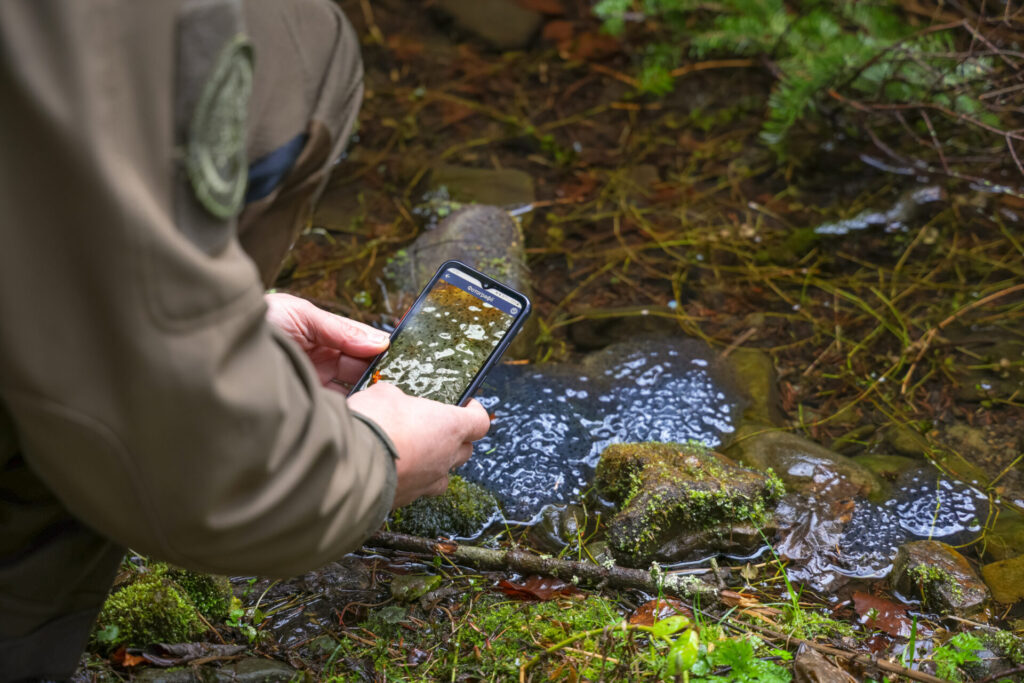
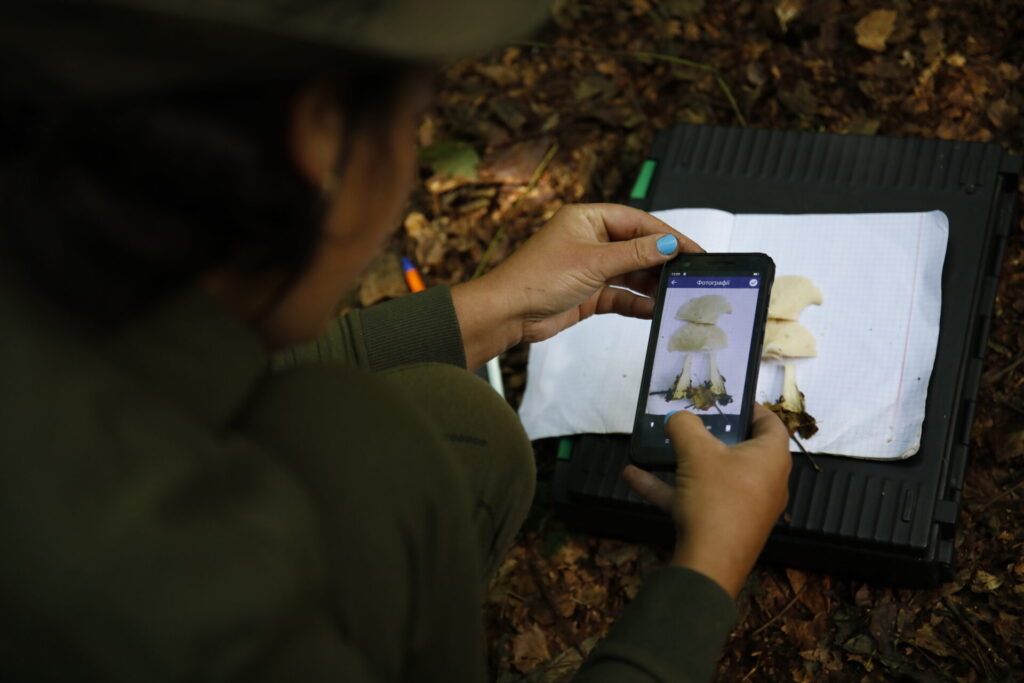
My work covered a broader range: we managed to launch the SMART programme for rangers, purchasing smartphones and additional equipment for the parks — from binoculars to specialised sensors. We wanted to strengthen both general regional needs and the unique focus areas of each territory. For example, in Skole Beskids this involved individual lynx identification based on coat patterns; in Verkhovynskyi, bear monitoring; and in Hutsulshchyna, mycological and forest research. SMART made it possible to bring together this scientific potential and the rangers’ day-to-day work into a single effective system.
This is the tenth story for the 25th anniversary of FZS in Ukraine. Read the first stories at the links below:
#1 Prypiat, Goldeneye ducks, and Fish Weirs — How FZS’s Work Began in Ukraine.
#3 Explore all of mountainous Crimea: the project that introduced Ukraine’s vultures to Europe
#5 A Shift Toward the Carpathians: Why FZS Suspended Its Work in Polissia in 2013
#6 Pickups, Uniforms and Management Plans: How Two German Projects Transformed 13 Parks
#7 How Carpathian National Parks Were Expanded by 40,000 Hectares
#9 Vehicles, Motorcycles and Uniforms: FZS’s Experience in Strengthening the Work of National Parks